
Subtotal R0,00

Politics/ 10 January 2026, 16:44pm/ Dakalo Mulaudzi
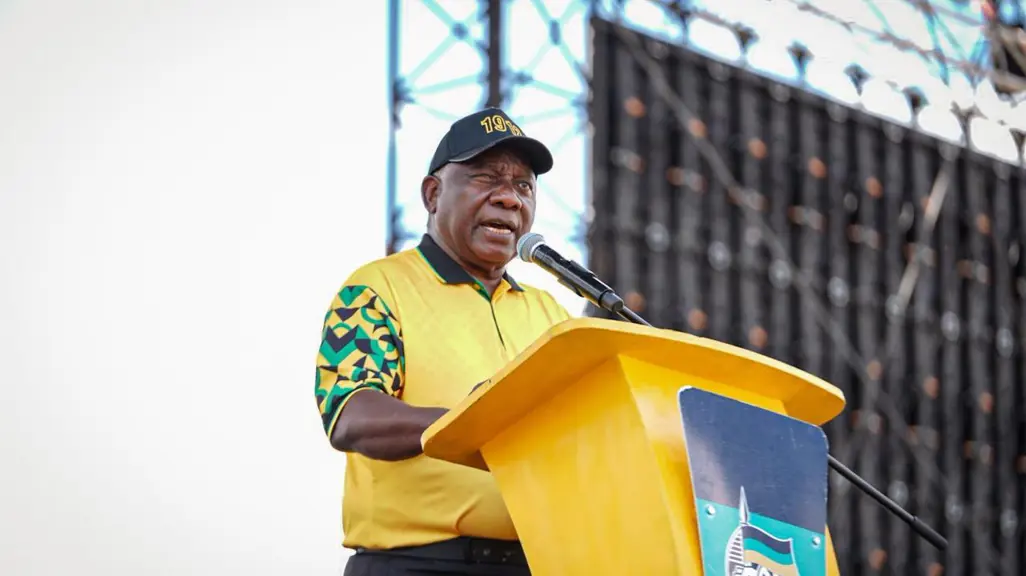
ANC President Cyril Ramaphosa: Image Supplied
By Dakalo Mulaudzi: The African National Congress (ANC) has set its sights on repairing the country’s troubled system of local government and restoring basic service delivery, framing it as the party’s central political task ahead of 2026.
Speaking at Moruleng Stadium on Saturday while delivering the ANC’s annual January 8 statement, party president Cyril Ramaphosa said collapsing municipal governance and unreliable services have become a defining source of public anger — and a key reason voters are turning away from the movement.
Ramaphosa acknowledged that weak administration in municipalities, coupled with persistent delivery failures, has eroded confidence in the ANC, warning that the party’s support will continue to slide if these problems are not confronted urgently. He positioned local government as the frontline of the ANC’s credibility crisis, arguing that the party cannot win back trust while communities continue to experience breakdowns in day-to-day services.
In his address, Ramaphosa pointed to familiar flashpoints that have fuelled frustration in towns and cities across the country: water shortages, ongoing power interruptions, deteriorating roads marked by potholes, and allegations of corruption.
While noting that national load shedding has ended, Ramaphosa said a different form of electricity disruption is still affecting communities — municipal load reduction — which he described as increasingly common in densely populated areas where infrastructure is strained and municipal finances are under pressure.
“Municipal load reduction continues to disrupt daily life. Load reduction is a mechanism municipalities use to manage debt to Eskom.”
He said local government must be given maximum attention this year, placing municipal performance and frontline delivery at the centre of the party’s programme as it seeks to stabilise its electoral standing.
The rally also unfolded against a shifting political landscape within the ANC-led alliance, as the South African Communist Party (SACP) reiterated its intention to contest elections independently — and signalled a desire to enter government in its own right.
The SACP announced in 2024 that it would no longer contest elections under the ANC banner, a decision that has heightened tensions between long-time partners. Despite that strain, the party was present at Moruleng Stadium for the ANC’s 114th anniversary event.
SACP deputy general secretary Madala Masuku said that while the ANC has achieved gains since the end of apartheid, South Africa remains defined by deep land and wealth inequality. He argued that faster land and economic redistribution requires a more direct SACP role in the state.
“So on this day today, we are saying to you comrades, we feel that the SACP on the issue of property relations and economic transformation – we want to come in and participate directly into the state to assist you in order to drive this process to move at a faster pace.”
Masuku’s remarks underline a growing debate inside the broader alliance: how to accelerate redistribution while managing political competition between partners who, until recently, campaigned on a shared ticket.
For the ANC, Ramaphosa’s message was clear — the path to recovery runs through municipalities, and the party’s fortunes may hinge on whether residents see tangible improvements in services that touch everyday life.







