
Subtotal R0,00

News/ 10 January 2026, 13:45am/Mpho Mokoena
By Mpho Mokoena: That cut-price “designer” perfume. The too-good-to-be-true branded sneakers. The miracle pills sold with a wink and a promise. South Africans chasing festive specials may have been stepping into something far more dangerous than a bad deal—an unregulated marketplace where safety labels are meaningless and profits can outweigh lives.
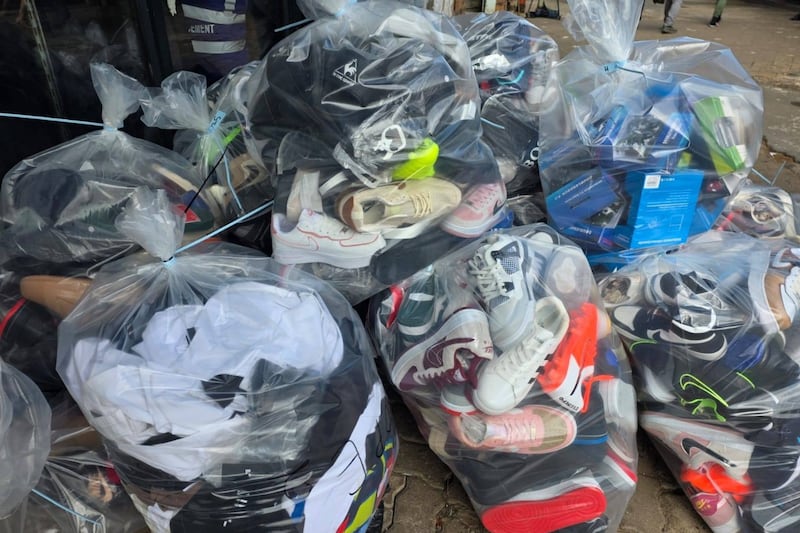
It’s this consumer-risk front line—rather than lost revenue alone—that sits at the centre of a major December swoop by the South African Police Service (SAPS), which says it intercepted an enormous volume of counterfeit and illicit merchandise at the very moment demand was peaking.
“During the busiest retail season of the year, the South African Police Service (SAPS) and its crime-fighting partners collectively seized counterfeit and illicit goods worth more than R350 million during nationwide takedown operations,” police spokesperson Lieutenant Colonel Amanda van Wyk said.
According to SAPS, the coordinated operations ran through December 2025 in Gauteng, KwaZulu-Natal and the Western Cape, driven by national and provincial Counterfeit, Contraband and Illicit Goods Units alongside multiple law enforcement partners. The outcome: counterfeit and illicit goods valued at more than R350 million seized—and 33 suspects arrested.
For festive shoppers, the numbers translate into a stark reality: almost 600,000 items allegedly poised to enter homes, onto skin, and into bodies. Police said the confiscated goods included high-end designer-branded clothing, sports apparel, footwear, jewellery, cosmetics and cellphone accessories—everyday purchases that can become hazards when origin and quality controls vanish.
More alarming, SAPS said it also seized illicit pharmaceuticals valued at more than R1 million, alongside illegal cigarettes, liquor and other consumables—categories that public-health experts frequently warn can carry consequences ranging from poisoning and allergic reactions to ineffective treatment and addiction-related harms.
“Counterfeit and illicit goods pose serious risks to consumers, legitimate businesses, and the economy of the country,” said van Wyk.
Police stressed that what makes these products especially dangerous is the absence of oversight from manufacture to sale. “These products are often manufactured and distributed outside regulated systems, with no regard for quality standards, safety, or lawful trade practices,” van Wyk said.
The alleged arrests span more than just fake labels. SAPS said the 33 suspects face a range of charges, including dealing in counterfeit goods, possession of drugs, and contraventions of the Medicines Control Act, Liquor Act, Second-Hand Goods Act and Immigration Act—suggesting, police say, a supply chain that blends commercial fraud with broader criminal networks.
SAPS also flagged the quieter damage that follows the counterfeit surge—pressure on legitimate factories, retailers and jobs—warning that “legitimate manufacturers and retailers lose market share to illegal traders, leading to reduced production and unemployment.”
As authorities push to disrupt distribution lines, SAPS said it “extends its sincere appreciation to all participating government departments, other law enforcement agencies and partners for their continued collaboration and commitment to combat the trade in counterfeit, contraband, and illicit goods.”
For consumers, police are urging a simple but difficult festive-season shift: pause before the “steal” of a deal. Because behind the cheap price tag, SAPS warns, counterfeit trade doesn’t just undercut the economy—it can put unsafe products into circulation and keep organised crime in business.







