Subtotal R0,00

Soccer, 27 October 2025/ 15:18pm/Gomolemo Winkel

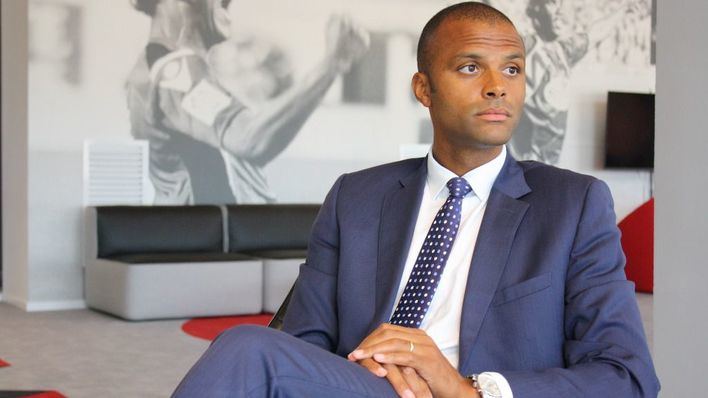
Professional Footballers Association (PFA) Chief Executive Officer Maheta Molango: Image supplied.
By Gomolemo Winkel: Professional Footballers Association (PFA) Chief Executive Officer Maheta Molango has lauded the success of African nations that have qualified for next year’s FIFA World Cup in North America, describing their achievement as a testament to the continent’s immense football talent.
Nine African teams namely, South Africa, Morocco, Tunisia, Egypt, Algeria, Ghana, Senegal, Cape Verde, and Ivory Coast have booked their tickets to the global showpiece. For Bafana Bafana, it marks a historic moment as they return to the tournament for the first time since 2002.
Molango, who was born to a Congolese father and Italian mother, expressed pride in Africa’s growing football influence. “There is no doubt that Africa is a huge source of talent,” said Molango. “Being from the DRC, I know the level of skill we have on this continent. Sometimes we have not been able to shine as much as we should have. I am desperate to see an African team winning the World Cup because we have the talent, and maybe it is time for us to capitalise on that,” he said.
While celebrating the milestone, Molango also emphasised the need to protect players’ welfare amid congested international and club calendars.
Referring to the struggles highlighted by Mamelodi Sundowns coach Miguel Cardoso, who recently raised concerns over competing in the FIFA Club World Cup with little rest, Molango said the debate about fixture congestion is not just a European issue. “People think the calendar issue only affects top European clubs, but that is not true,” he said. “It affects players in South Africa, in Africa, everywhere. We are now seeing the effects of players going back-to-back without proper rest, which impacts their performance and health,” said Molango.
Molango reaffirmed the PFA’s stance against FIFA’s congested scheduling, stressing that while Africa’s rise on the global stage is worth celebrating, it must not come at the expense of players’ wellbeing. “I want African clubs to thrive and succeed internationally, but not at the cost of the players’ health,” he added. “That has been our struggle and our fight,” added Molango.