Subtotal R0,00

Gauteng/ 27 October 2025, 15:45pm/ Ayanda Shezi

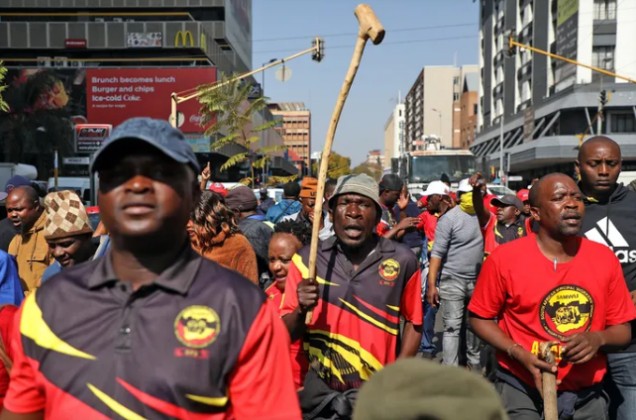
Tshwane workers sink into debt as salary increases remain unpaid since 2021. Photo: Image supplied
By Ayanda Shezi: Thousands of Tshwane municipal employees are struggling to keep up with their living expenses and rising municipal bills, as the city’s failure to pay agreed salary increases continues to take a toll on their finances.
According to the South African Municipal Workers Union (Samwu), more than 8,800 municipal employees are now in debt to the City of Tshwane, collectively owing close to R29 million in unpaid municipal accounts. The figure reflects a steady rise in employee debt over the past year, as many workers say their stagnant salaries can no longer match the cost of living.
A recent council report shows that the number of municipal employees in arrears climbed from 8,759 in July 2024 to 8,820 in July 2025, while the total debt owed rose from about R24.67 million to R28.88 million — a 17% increase.
Samwu regional secretary Donald Monakisi said the city’s failure to implement 3.5% and 5.4% salary increases for the 2021/22 and 2023/24 financial years respectively has worsened workers’ financial pressure.
“Outstanding salary increases may also be the factor because you have a situation now where the salary does not equate with the rising cost of living, including electricity and petrol prices,” Monakisi said.
He added that the union has raised the issue several times with the municipality, warning that the ongoing non-payment is leaving workers unable to meet even basic financial obligations.
The union has also threatened to disrupt the upcoming G20 Summit in Johannesburg in November, saying the protest will target Tshwane’s decision to exempt itself from the national collective-bargaining agreement that granted municipal workers across the country the increases.
Monakisi said many workers are further burdened by automatic deductions from their salaries when they fall behind on payments to the city.
“They have access to your salary and don’t even ask you to make arrangements. At month-end, they just deduct the money. We are at the mercy of the employer — if you owe R4,000, they just take it,” he said.
The council’s financial report also highlighted the debt owed by councillors, which grew from 121 to 131 between July 2024 and July 2025 — a 7% increase. However, the total debt amount dropped from R2.6 million to R1.7 million, suggesting improved repayment discipline.
It noted that the city has intensified efforts to recover funds directly from councillors’ salaries. The number of councillors subject to direct deductions rose from 3 in 2024 to 56 in 2025, resulting in collections increasing from R8,082 to R222,477 — a jump of more than 2,600%.
Despite these recoveries, the overall payment ratio across both employees and councillors dropped by 9% year-on-year, reflecting a decline in the proportion of debt successfully collected.
Among municipal employees, the number of those subjected to direct salary deductions fell from 983 in 2024 to 741 in 2025, while the total amount recovered through these deductions declined by 20%, from R931,372 to R749,539.
The report said the reduced deductions and rising overall debt “suggest a growing debt burden among salary deduction accounts for employees.”
As of July 2025, the city recovered about R15.65 million in total cash allocations, with around 5% of that — R749,539 — coming from enforced salary deductions.
The City of Tshwane’s communication department said it would provide a detailed response to the matter on Tuesday. Attempts to reach the Member of the Mayoral Committee for Finance, Eugene Modise, for comment were unsuccessful at the time of publication.