Subtotal R0,00

International/ 04 February 2025, 11:40am/ Staff Writer

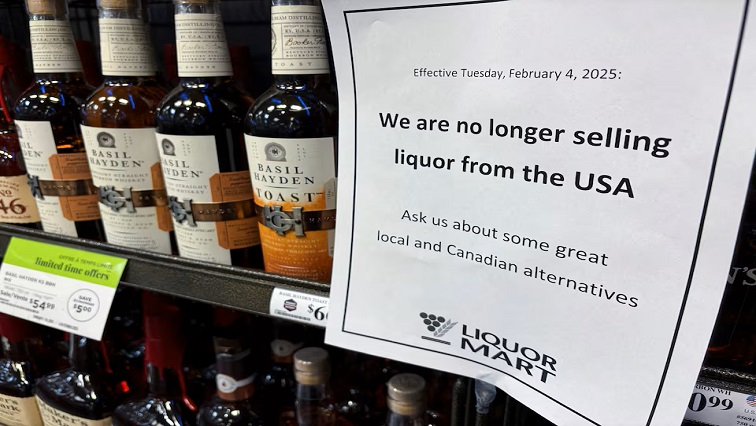
U.S. President Donald Trump announces a 30-day pause on tariffs against Mexico and Canada, following agreements on strengthened border security and crime enforcement: Image Supplied
By Staff Writer: On Monday, United States President Donald Trump announced a temporary suspension of his proposed steep tariffs on Mexico and Canada, agreeing to a 30-day pause in exchange for concessions related to border security and crime enforcement. The move comes amid escalating tensions over trade relations and immigration policies with the two neighboring countries.
In return for the pause, both Canadian Prime Minister Justin Trudeau and Mexican President Claudia Sheinbaum confirmed they would strengthen their border enforcement efforts to combat immigration and drug smuggling, two areas of concern that Trump had demanded action on. This temporary freeze, which was scheduled to lift on Tuesday, prevents the imposition of 25% tariffs for 30 days.
Canada, in response, committed to deploying new technology and additional personnel along its shared border with the United States. The country also pledged to launch joint efforts with the U.S. to fight organized crime, fentanyl trafficking, and money laundering.
Meanwhile, Mexico agreed to deploy 10,000 National Guard troops along its northern border to curtail illegal migration and prevent the flow of illicit drugs into the United States.
Mexico’s President Sheinbaum also noted that the U.S. had made a commitment to help curb the trafficking of high-powered weapons into her country.
President Trump expressed satisfaction with the deal, emphasizing his responsibility to ensure the safety of American citizens. On social media, he wrote, “As President, it is my responsibility to ensure the safety of ALL Americans, and I am doing just that. I am very pleased with this initial outcome.”
This agreement, which temporarily avoids a potential trade war, had economists breathing a sigh of relief, as they feared a significant economic downturn and rising consumer prices if tariffs were imposed.
The pause allows Trump to explore further economic negotiations with the two largest U.S. trading partners, whose economies have become increasingly intertwined with the U.S. since the North American Free Trade Agreement (NAFTA) was signed in the 1990s.
However, the situation is different with China, which still faces looming tariffs. On Tuesday, China will be hit with a 10% tariff, set to take effect at 12:01 a.m. ET.
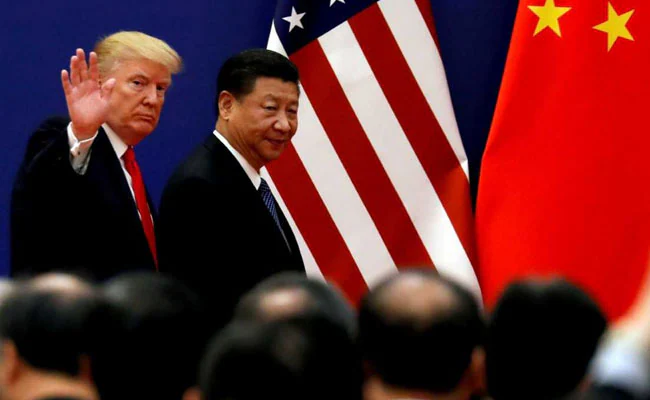
Trump, in response to the ongoing trade issues with China, stated that he would not be speaking with Chinese President Xi Jinping until later in the week but warned that tariffs on China could increase if fentanyl shipments from the country continued.
“China hopefully is going to stop sending us fentanyl, and if they’re not, the tariffs are going to go substantially higher,” Trump said. China has maintained that fentanyl is an American problem and warned it would challenge the tariffs at the World Trade Organization while keeping the door open for future talks.
The announcement sparked positive market reactions, with the Canadian dollar soaring after its recent slump to its lowest value in over two decades. U.S. stock index futures also saw a boost following a day of losses on Wall Street.
Industry groups, particularly those with integrated trade between Canada and the U.S., welcomed the temporary relief. Chris Davison, who leads a trade group of Canadian canola producers, stated, “That’s very encouraging news. We have a highly integrated industry that benefits both countries.”
Despite this temporary pause, Trump hinted on Sunday that the European Union could be his next target for tariffs, though he did not specify when.
EU leaders, during an informal summit in Brussels, warned they would retaliate if the U.S. imposed tariffs but called for dialogue and reason in addressing the issue. The U.S. is the EU’s largest trade and investment partner, and Trump’s remarks on Sunday also suggested that Britain, which officially left the EU in 2020, may avoid tariffs.