Subtotal R0,00

Economy/ 04 February 2025, 11:06am/ Lijeng Moruthane
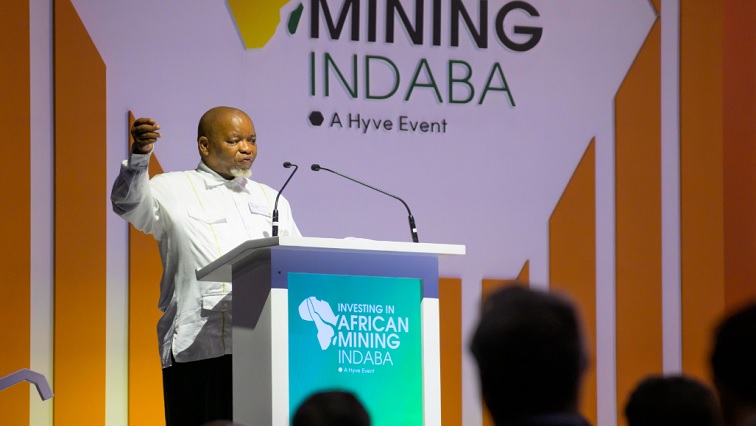
By Lijeng Moruthane: Mineral Resources and Petroleum Minister Gwede Mantashe has urged investors to shift their focus beyond traditional gold mining and explore Africa’s vast reserves of industrial minerals critical to global industries.
Speaking at the 31st Invest in African Mining Indaba in Cape Town this week, Mantashe emphasized the continent’s wealth in manganese, copper, coal, nickel, cobalt, titanium, vanadium, lithium, and rare earth elements—minerals essential for energy production, manufacturing, and technology.
“Africa is not just about gold. We have a variety of minerals that the world needs, and we must maximize their value for our development,” he said.
The annual Mining Indaba brings together government leaders, investors, and industry experts to discuss strategies for Africa’s mining sector, with a strong focus this year on how mineral resources can drive sustainable economic growth.
Mantashe also used his platform to highlight Africa’s bargaining power in global trade, urging the continent to be assertive in controlling its mineral wealth.
He suggested that African nations should use their resource endowment as leverage in international negotiations, particularly in response to geopolitical pressures from major economies.
His remarks were directed at the United States, which has threatened to cut financial aid to South Africa over the Expropriation Act. Mantashe argued that Africa should not fear such threats and instead consider restricting mineral exports in response.
“If they don’t give us money, let’s not give them minerals. We have something of value. We are not just beggars,” he stated.
Mantashe’s stance underscores the growing push for resource nationalism in Africa, as governments seek to retain more value from their mineral wealth. Many African countries are now revising mining policies to ensure local beneficiation, encourage industrial development, and reduce dependence on foreign aid.