Subtotal R0,00

Politics/ 10 April 2025, 13:20pm/ Lijeng Moruthane
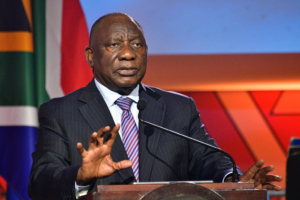
President Cyril Ramaphosa rejects calls to downsize Cabinet: Image Supplied
By Lijeng Moruthane: President Cyril Ramaphosa has rejected calls to reduce the size of his executive team, stressing that it is not feasible to downsize the Cabinet, which currently consists of 77 members, including 43 deputy ministers. In a written response to a parliamentary question posed by EFF MP Omphile Maotwe, Ramaphosa defended the necessity of these positions amid growing calls for cost-cutting measures in government.
Ramaphosa explained that when he formed the executive following the May 2024 elections, it was not possible to reduce the number of portfolios within Cabinet. The formation of the executive was intended to ensure inclusivity and representation, reflecting the diverse makeup of the Government of National Unity (GNU), and ensuring consideration of factors such as gender, youth, regional distribution, and demographics.
“Deputy ministers are given responsibility for specific areas within large departments, ensuring consistent political attention and oversight, which is crucial for effective government operations,” Ramaphosa said, reaffirming that the deputy ministers appointed in June 2024 continue to play a meaningful role in supporting the priorities of the 7th democratic administration.
The issue of Cabinet costs has drawn attention, particularly in light of Finance Minister Enoch Godongwana’s revelation that the budget allocation for ministers and deputy ministers for the 2025/26 financial year amounts to R239 million, covering salaries, support staff, official vehicles, and other associated expenses.
Opposition parties, such as Build One South Africa (BOSA) and ActionSA, have ramped up their calls for Cabinet reforms. BOSA leader Mmusi Maimane proposed a plan this week that suggested abolishing deputy ministers could save R3.9 billion over the medium term. Maimane argued that this move could help address South Africa’s financial pressures, with the party estimating that cutting deputy ministerial positions would save about R500 million annually.
ActionSA’s parliamentary leader, Athol Trollip, introduced the party’s Cabinet Reform Package, which includes a proposal for a constitutional amendment to abolish deputy ministers. Trollip argued that eliminating these roles would reduce government costs by R1.5 billion annually and streamline government operations, making the executive more efficient.
“ActionSA will introduce a Constitutional Amendment to Section 91 and repeal Section 93 (deputy ministers), permanently removing these redundant posts from the government,” Trollip stated. He also highlighted plans to reduce ministerial allowances, travel expenses, and perks like luxury housing and VIP protection.
Despite these mounting calls for reform, Ramaphosa remains steadfast in his position that the current structure of the executive is necessary for the proper functioning of the government. He emphasized that the deputy ministers’ roles are integral to ensuring that government departments are managed efficiently and that political oversight is maintained across various portfolios.
In another development, Ramaphosa responded to questions about the appointment of a new ambassador to the United States, following the expulsion of former ambassador Ebrahim Rasool. EFF leader Julius Malema had inquired whether former DA leader Tony Leon would be considered for the position. Ramaphosa clarified that the appointment of ambassadors is governed by the Constitution and assured that the announcement would be made at the appropriate time.