Subtotal R0,00

Education/ 13 March 2025, 13:30pm/ Lijeng Moruthane
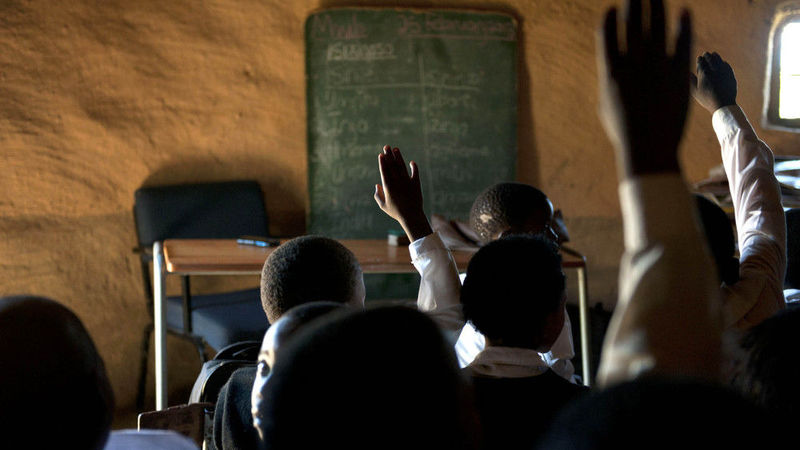
Teacher vetting failures continue to put students at risk in South African schools: Image Supplied
By Lijeng Moruthane: The system designed to safeguard children in South Africa is reported to be failing schools. A growing number of incidents of teacher misconduct have highlighted the deep flaws in the procedures meant to protect learners from harm.
The vetting process, which is supposed to ensure that only qualified and safe individuals are allowed to teach, has proven to be woefully inadequate. Teachers with criminal histories, including convicted sex offenders and racists, continue to find their way into classrooms, leaving children vulnerable to exploitation and abuse.
The alarming case of Collen Rex, a former water polo coach at Park Town Boys’ High, is just one example of the failures within the vetting system. Rex was found guilty of 144 charges of sexual assault and 12 charges of common assault, and his crimes were only uncovered through disturbing surveillance footage from the school’s hostel.
In South Africa, the teacher vetting process is supposed to be a safeguard, relying on two main registers: the National Register for Sex Offenders (NRSO) and the National Child Protection Register (NCPR). These registers are meant to prevent convicted criminals from working with children, but recent events reveal that they are far from foolproof.
According to Ella Mokgalane, CEO of the South African Council of Educators (SACE), the vetting process needs significant improvement to ensure that predators do not enter classrooms. However, even with Mokgalane’s acknowledgment of the system’s shortcomings, the issue persists, exposing just how deep the flaws run.
The NRSO and NCPR are intended to identify individuals who pose a threat to children, but cases like Rex’s raise serious questions about the effectiveness of these checks. Inadequate vetting procedures allow individuals with a history of violence, abuse, or predatory behavior to enter schools and gain access to vulnerable children. This failure is not just an isolated issue but part of a larger, systemic problem that continues to plague South Africa’s education system.
Teacher misconduct in South African schools goes beyond sexual assault. Racism has also become a major concern, with incidents of educators and staff members making discriminatory remarks and engaging in harmful behavior. One such case involved the discovery of a racist WhatsApp group at Pretoria High School for Girls, where staff members made offensive comments about black students. Despite the findings, no significant actions were taken to hold those responsible accountable, highlighting the lack of effective oversight in schools.
Even more disturbing are cases where educators themselves target students. In 2023, two educators at Bonkolo Senior Secondary School in Dutywa, Eastern Cape, were accused of impregnating a pupil. This incident once again raised questions about the thoroughness of the teacher vetting process, as these educators were allowed to continue working in the school system despite the serious allegations against them.
One of the most alarming aspects of these cases is the difficulty in bringing perpetrators to justice. According to Mokgalane, one of the primary obstacles to holding educators accountable is the reluctance of parents to come forward. In some cases, parents are offered bribes to remain silent or are pressured into not allowing their children to testify, which complicates the pursuit of justice. The failure of the system to provide support for victims and their families means that many predators are never held accountable for their actions.
Mokgalane also notes that even when the evidence is compelling, such as in cases of statutory rape involving a teacher and a minor, the lack of cooperation from parents and children makes it nearly impossible to pursue legal action. Without the courage of the victims and their families, many predators continue to operate freely, moving from one school to the next and causing harm to more children.