Subtotal R0,00

Health/ 13 March 2025, 10:50am/ Lijeng Moruthane
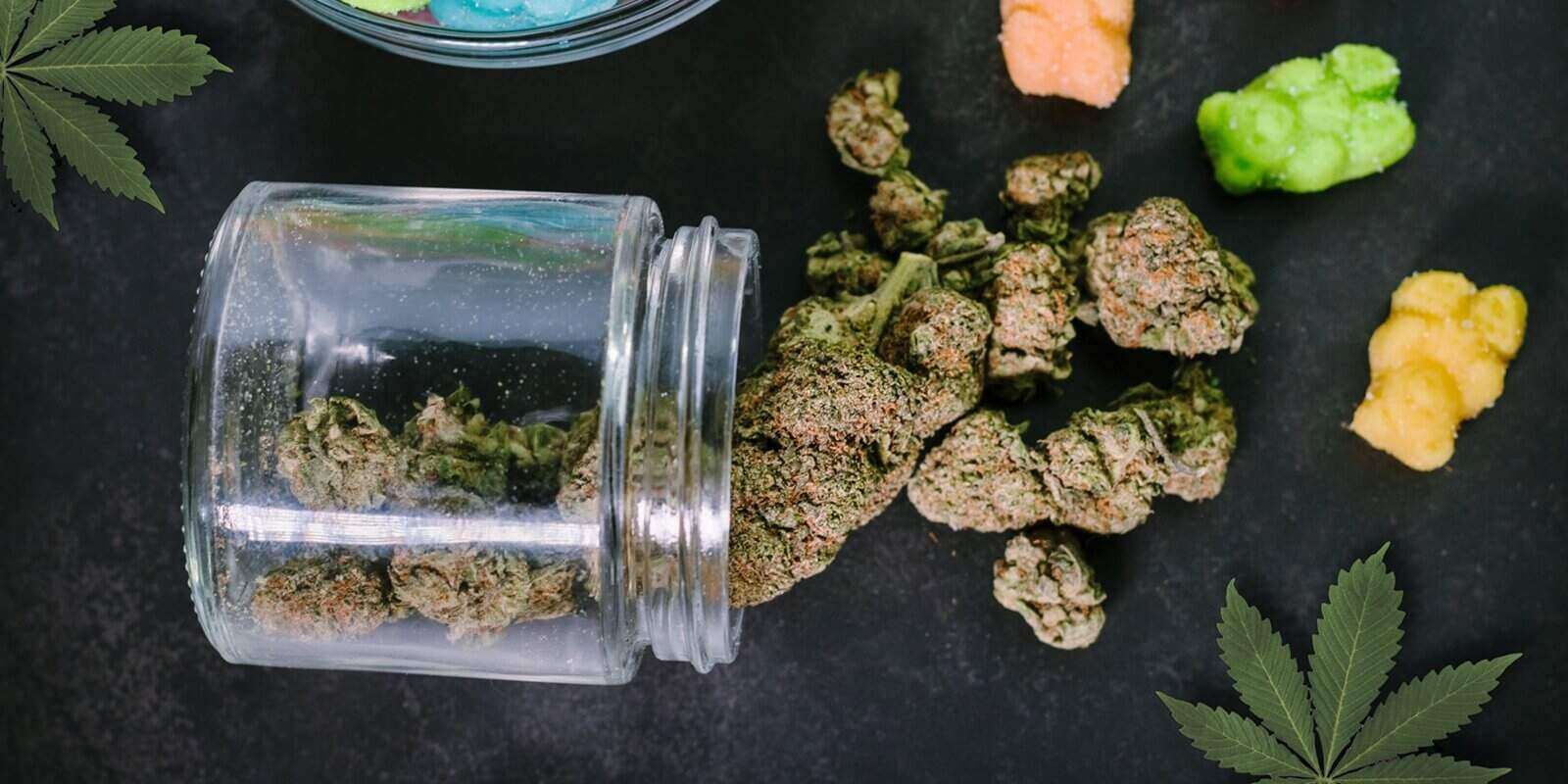
Legal experts and industry leaders react to the government’s unexpected cannabis ban: Image Supplied
By Staff Writer: No minister, acting under parliamentary authority, has the power to create new offences, according to senior legal researcher Dan Mafora, who has voiced serious concerns about the South African government’s recent ban on cannabis and hemp-derived foodstuffs.
The controversial decision, announced by the Department of Health earlier this week, has raised alarms over its constitutionality and implications for the cannabis industry.
The ban, which prohibits the sale, importation, and manufacture of foodstuffs containing any part of the Cannabis Sativa L plant, hemp, hemp seed oil, or hemp seed flour, was enforced under the Foodstuffs, Cosmetics, and Disinfectants Act (1972).
Mafora, along with other legal experts, argues that the move effectively criminalises activities that were previously legal, undermining the rule of law and the constitutional rights of South African citizens.
In a post on his Medium blog, Mafora challenged the powers of ministers in South Africa, stating, “A minister is criminalising conduct that was previously not criminalised using powers derived from an arguably unconstitutional statute.” He further questioned the legitimacy of this action, which he argues could set a dangerous precedent, allowing the executive to overstep its bounds.
This development comes as a stark contrast to the government’s previously progressive stance on cannabis. Just a few years ago, the Constitutional Court decriminalised cannabis for private use, a landmark decision that was hailed as a significant shift in South Africa’s cannabis policy.
The new ban, however, appears to be a dramatic reversal, particularly in the context of President Cyril Ramaphosa’s comments during his State of the Nation Address (SONA) earlier this year.
In February, Ramaphosa stated that the government aimed to position South Africa as a global leader in the commercial production of hemp and cannabis.
“We want South Africa to be leading in the commercial production of hemp and cannabis,” Ramaphosa said, outlining a vision of a thriving hemp economy that would support local farmers and drive growth in the agricultural sector.
Yet, with the new ban in place, the government’s actions seem to contradict its own promises. Entrepreneurs, businesses, and consumers in the growing cannabis industry are now questioning the government’s commitment to fostering a sustainable cannabis economy.
Many are left wondering how such a ban fits within the broader vision of hemp commercialization and agricultural development.
Industry stakeholders are calling for clarity from Health Minister Aaron Motsoaledi, demanding an explanation for the sudden policy shift and its potential impact on South Africa’s cannabis sector.