Subtotal R0,00

Eastern Cape/ 03 November 2025, 10:49am/ Staff Writer

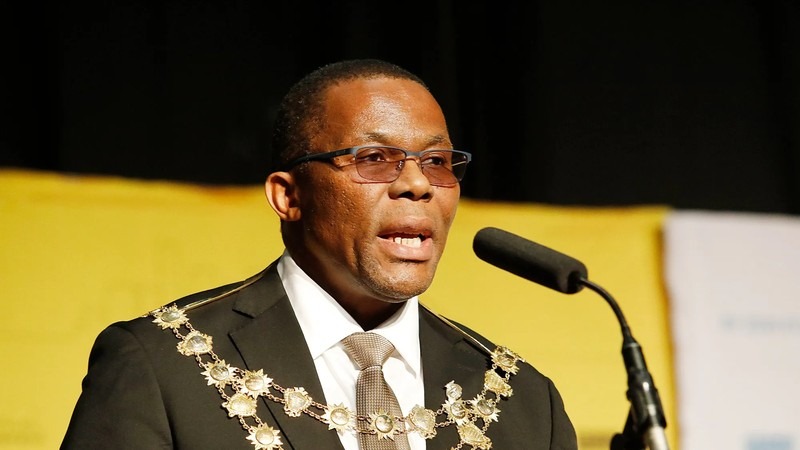
Nelson Mandela Bay deputy mayor Gary van Niekerk. Image Supplied
By Staff Writer: Nelson Mandela Bay deputy mayor Gary van Niekerk is set to face trial next year on charges of financial misconduct and cyber fraud.
Van Niekerk’s brief appearance in the Specialised Commercial Crimes Court in Gqeberha on Monday marked the latest chapter in a case that has shadowed his political career for more than two years. He faces allegations of contravening the Municipal Finance Management Act (MFMA) during his tenure as council speaker in 2022, including claims of irregular payments to legal service providers.
According to the charge sheet, Van Niekerk allegedly authorised payments exceeding R570,000 for legal advice without following the municipality’s prescribed procurement processes. The charges also involve alleged cyber-fraud elements linked to those transactions.
His legal representative, attorney Danie Gouws, confirmed that written representations were filed to the state in October, requesting that the case be withdrawn. However, prosecutors reviewed the submissions and decided to proceed with the trial, which has now been scheduled for May 2026.
The case stems from a broader municipal investigation which previously found that Van Niekerk had breached the councillor code of conduct and violated key provisions of the MFMA — findings that were formally referred to the Eastern Cape Department of Cooperative Governance and Traditional Affairs for review.
While Van Niekerk maintains his innocence, the pending trial comes at a time when Nelson Mandela Bay’s leadership continues to grapple with internal divisions, service delivery concerns, and declining public confidence. As a key figure in the city’s coalition government, Van Niekerk’s legal battles have drawn national attention and raised questions about accountability within local governance structures.
Van Niekerk served as Nelson Mandela Bay’s executive mayor from May 2023 until October 2024, before assuming his current role as deputy mayor following political realignments in the metro council. His term as mayor was marked by frequent disputes over governance priorities, coalition stability, and allegations of administrative irregularities — all of which have underscored the fragile nature of municipal politics in one of the Eastern Cape’s largest metros.
The fraud case is not his only recent legal setback. Last month, Van Niekerk was convicted of contempt of court for failing to attend a scheduled council meeting while he was abroad in Germany. He claimed the trip was undertaken for official business, but the court ruled that his absence constituted a violation of its previous order. Van Niekerk was fined R2,000 for the offence.
Despite the mounting challenges, Van Niekerk has continued to perform his duties as deputy mayor and has vowed to clear his name. City officials have declined to comment on whether his pending trial could affect his position within the metro’s leadership.
Observers note that the case once again highlights the persistent tension between political office and ethical governance within South Africa’s municipalities — an issue that has repeatedly undermined public trust.
For now, Van Niekerk’s focus will shift to his upcoming trial, where he will seek to challenge the state’s evidence and restore his reputation. The outcome of the case is expected to carry significant implications not only for his political future, but also for the credibility of the Nelson Mandela Bay administration, which has faced ongoing scrutiny over governance lapses and financial mismanagement.