Subtotal R0,00

KwaZulu Natal/ 03 November 2025, 11:31am/ Staff Writer

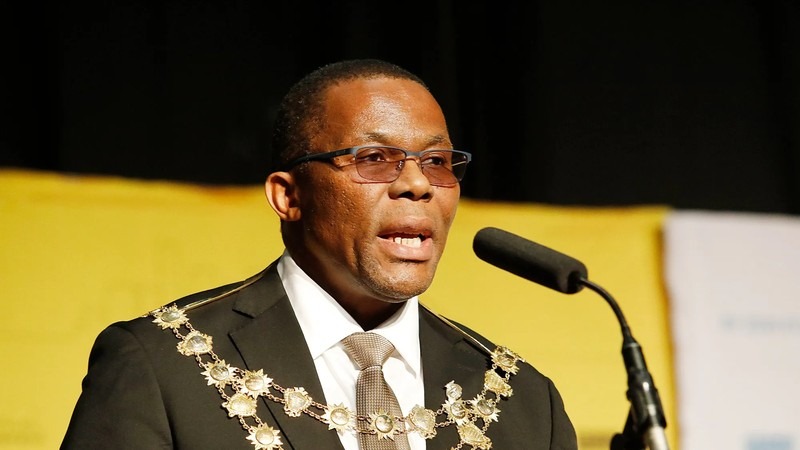
Mayor Cyril Xaba Reports Improved Water Supply Stability in EThekwini. Image Supplied
By Staff Writer: After years of mounting frustration over leaking pipes, burst mains, and polluted beaches, eThekwini Mayor Cyril Xaba says the municipality is finally starting to turn the corner. Speaking at a media briefing this week, Xaba outlined measurable progress in reducing water losses and stabilising the city’s water supply network — a long-standing issue that has plagued residents and strained municipal finances.
According to the mayor, eThekwini’s non-revenue water (NRW) — which refers to water lost through leaks, illegal connections, or unbilled consumption — has dropped by nearly 3% compared to the same period last year. While the figure remains high at 52.9%, Xaba called the improvement an “encouraging step” toward the city’s goal of reducing losses by 5% annually, aiming to reach 25% or less in the coming years.
“This decline shows that our interventions are working,” he said. “We have plumbers stationed in high-loss zones, ongoing meter maintenance and upgrades, and a strong focus on industrial and institutional water users.”
Municipal data shows that the number of reported leaks and bursts — once topping 9,000 cases in June 2025 — has now fallen to under 1,000. For the first time in five years, most of the city’s bulk water reservoirs are operating at full capacity.
Behind the numbers is a shift in how the municipality manages its infrastructure. The city is now insourcing plumbers and water tankers — a move Xaba says will save money and improve accountability. The first group of 31 plumbers is expected to begin work soon.
“The insourcing approach allows us to monitor service delivery directly rather than relying on external contractors,” Xaba explained. “This helps us respond faster and ensure consistent maintenance.”
The mayor also reported progress in sanitation management, particularly in preventing sewage spills that have previously forced beach closures and hurt tourism. Out of 23 bathing beaches in eThekwini, 21 are currently open and safe for swimming — a marked improvement compared to previous years when contamination often kept large sections of the coastline off-limits.
“Repairs to pump stations, sewer networks, and wastewater treatment plants are paying off,” Xaba said. “But we’re also appealing to the public, especially restaurants, to stop dumping fats into the sewer system. These blockages cause overflows that undo much of our progress.”
Political parties have cautiously welcomed the improvement but remain sceptical about the sustainability of the measures. Democratic Liberal Congress (DLC) leader Patrick Pillay said the downward trend in water loss is a “positive sign,” noting that every percentage point saved represents millions of litres of water.
However, the Democratic Alliance’s (DA) finance committee member, Alicia Kisoon, argued that the city’s water losses remain far above acceptable levels. “Non-revenue water above 50% is still unacceptable,” she said. “A 3% drop is progress, but residents need more than numbers — they need working infrastructure and clean beaches.”
Kisoon also raised concerns about wastewater pollution, saying that without a fully funded, transparent plan for pipe replacement and pump station repairs, “assurances from City Hall mean little to those living with sewage spills and dry taps.”
Despite the criticism, Xaba said his administration remains committed to restoring confidence in eThekwini’s service delivery. He described the city’s latest results as “evidence of a turnaround,” adding that efforts will continue throughout the next financial year to bring visible, lasting improvements.
“We are not declaring victory,” Xaba said, “but the progress we’ve made shows that eThekwini can fix its challenges when we work together.”