
Subtotal R0,00

North West/ 07 January 2026, 11:34am/ Linda Mgomezulu
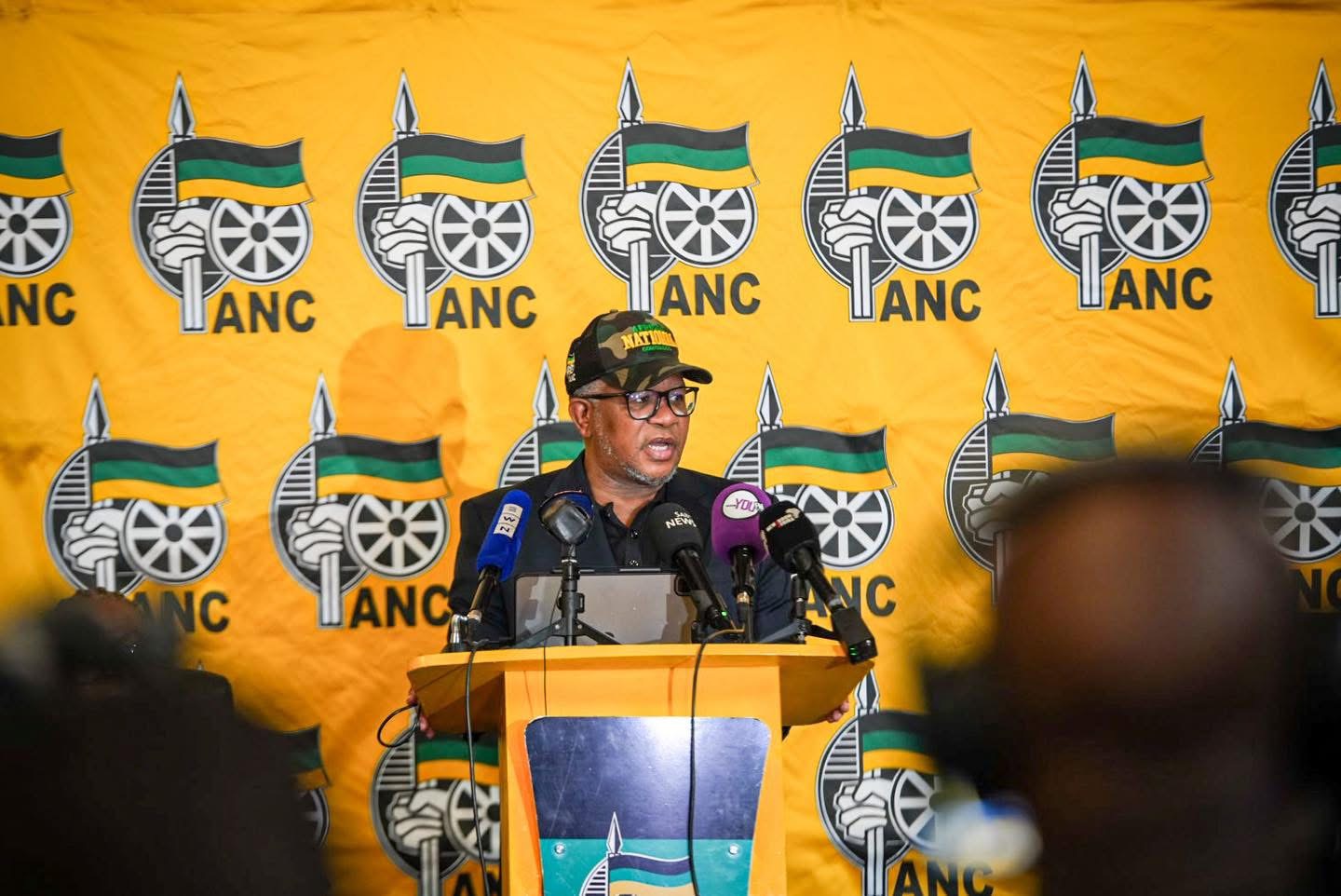
Fikile Mbalula: Image Supplied
By Linda Mgomezulu: The ANC’s Rustenburg stop this week carried the choreography of a political build-up to Saturday’s January 8 Statement at Moruleng Stadium, but inside Mamakato Community Hall on Tuesday the script changed fast: residents wanted receipts, not reassurance.
Fikile Mbalula, the party’s Secretary General, said the visit was designed to test whether the ANC’s own representatives are visible and effective where it matters most — in streets and wards where service delivery failures are felt daily, not debated abstractly.
“We have come here to listen to our communities and hear whether our deployees, especially councillors, are doing the work the ANC has sent them to do and if the communities know them,” Mbalula stated.
Then came the line that cut through the usual political language, aimed squarely at councillors accused of performing leadership rather than practicing it.
“ANC councillors have a responsibility to ensure that services are delivered to our people at all times. They should go into our communities and ensure they deliver on what they promise and not speak big English, but rather be on the ground and resolve all service delivery challenges faced by our people,” Mbalula charged.
His warning was not only about competence — it was about legitimacy. Leaders who can’t be identified by the very people they claim to represent, he argued, are leaders in name only.
“We cannot have leaders who are not known by their communities and are out of touch.”
While service delivery formed the broader backdrop, one grievance emerged as the meeting’s pressure point: the allocation of RDP houses, a process many residents experience as slow, opaque and vulnerable to favouritism.
“Those who are on the list must be given their stands as promised by the government,” Mbalula said, promising to engage the Premier and other provincial leaders to break the logjam.
To explain why impatience in the North West runs deep, Mbalula reached back into the province’s history, invoking the scars left by Bophuthatswana and apartheid-era governance — and the divisions that once flourished there.
“This community has suffered. From the days when it was still under the oppressive bantustan regime of Mangope, called Bophuthatswana, and the apartheid regime. Tribalism was rife here. We now seek that black people since the dawn (of democracy) live a life of opportunity and success under the ANC government,” he stated.
He insisted the ANC’s mission over the last three decades has been to widen opportunity and deliver progress, framing the party as “the beacon of hope and progress” — but in Rustenburg, the unspoken challenge hanging in the air was whether hope can survive without houses, functioning services and councillors who show up long after the microphones are gone.







