Subtotal R0,00

Business/ 25 March 2025, 11:25am/ Staff Writer
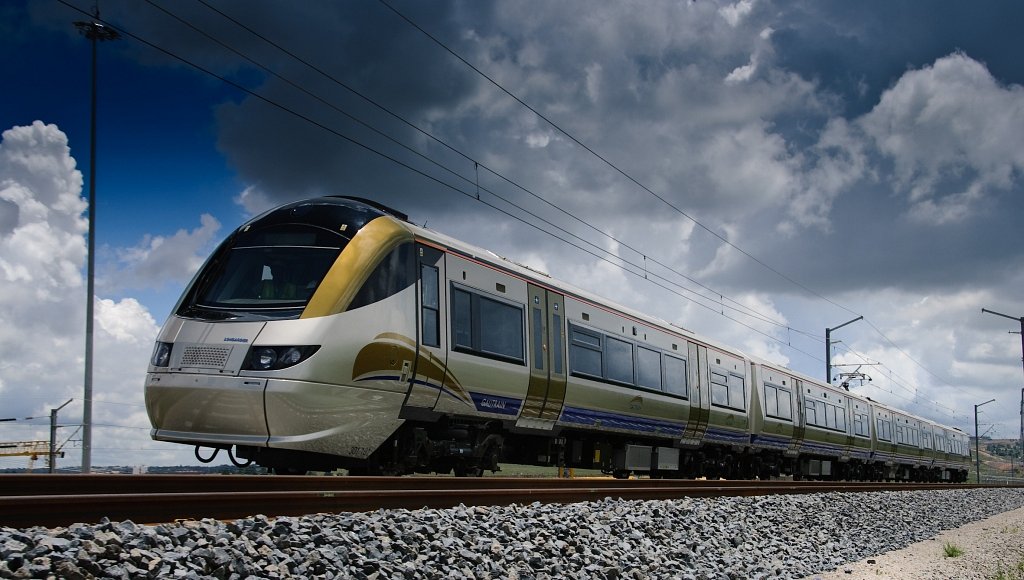
The Gautrain faces criticism as ridership declines by over five million passengers: Image Supplied
By Staff Writer: The Gautrain system has seen a significant drop in ridership, losing over five million passengers in the past four years, a decline that the Automobile Association (AA) warns highlights the system’s financial unsustainability.
In light of this, the AA has expressed strong concerns over the government’s push to expand the Gautrain network with a R120 billion investment. The AA argues that the funds would be better spent on transport initiatives that address the needs of the majority of South African commuters.
AA spokesperson Eleanor Mavimbela criticized the expansion plan, which was highlighted in Gauteng MEC of Finance Lebogang Maile’s provincial budget speech last week. Maile’s speech emphasized the potential job creation benefits of the expansion, claiming it would create 125,000 jobs.
However, Mavimbela questioned the justification for such a massive investment in a system that is losing riders at an alarming rate.
“While the MEC claims this expansion will create jobs, we must ask: at what cost?” Mavimbela said. “Genuine, sustainable job creation should come from investments that benefit the majority of South Africans, not from sinking billions into a failing system.”
The AA has long warned that the Gautrain, which remains a premium service, does not meet the needs of most South African commuters. Despite the loss of passengers and the system’s rising operational costs, authorities are pressing ahead with the expansion, which includes new routes between Marlboro and Roodepoort, passing through Sandton and Randburg.
In September 2024, Gauteng Premier Panyaza Lesufi announced that the expansion would be completed at an estimated cost of R120 billion over two years. He also noted that Lanseria International Airport (LIA) would benefit from the project through terminal upgrades and job creation in surrounding areas.
However, the AA believes the government should reconsider its priorities. Mavimbela pointed to the need for immediate improvements in road infrastructure, which is causing both financial strain on motorists and worsening traffic congestion. She also emphasized the importance of upgrading taxis and buses, which provide daily transport for most South Africans.
“Reliable, efficient public transport is essential for the daily lives of most South Africans,” she said, adding that expanding the Gautrain would continue to serve an elite minority rather than the broader population.
The AA concluded its statement with a firm stance: “With dwindling ridership and mounting operational costs, it is now abundantly clear: We warned you.”