
Subtotal R0,00

Gauteng/ 03 March 2026, 05:54am/ GoodWill Mathebula
 Gautrain: Image Supplied
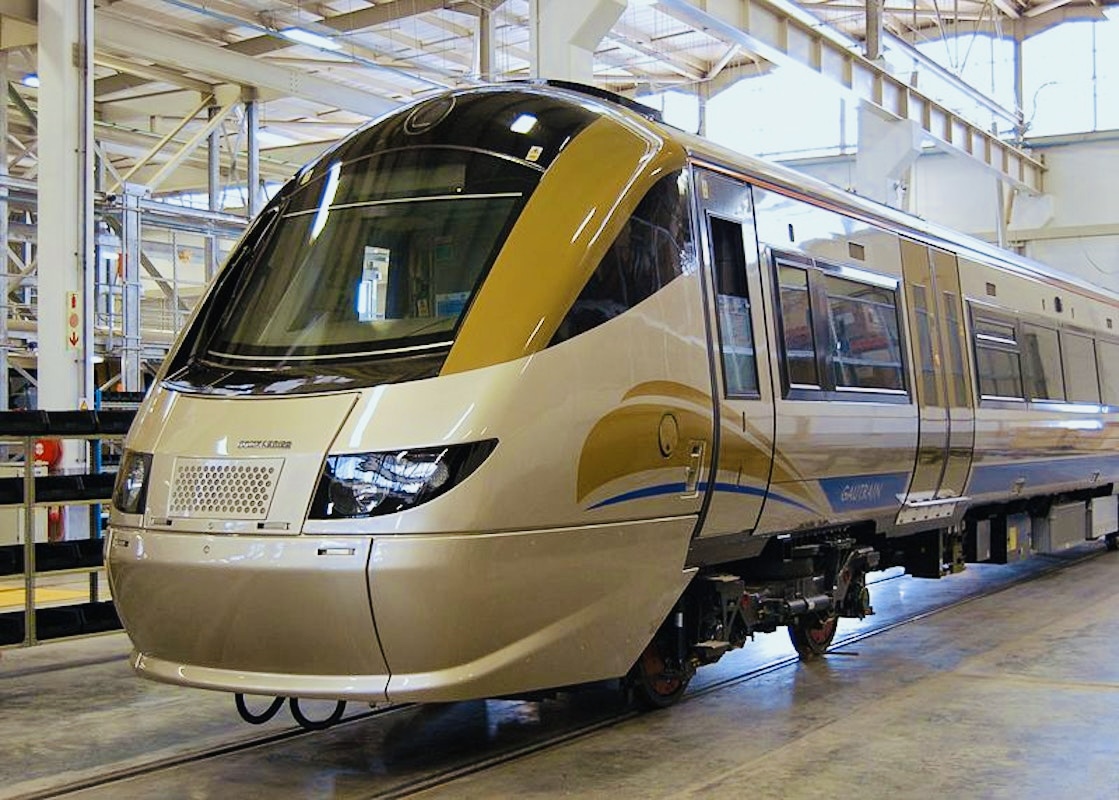
By GoodWill Mathebula: Sixteen years after the Gautrain first began redefining how Gauteng moves, the end of March will mark a quieter but potentially more consequential shift than any timetable tweak: the province will take full ownership of the 80-kilometre high-speed rail system.
Finance MEC Lebogang Maile has confirmed that the Gautrain will officially be handed over to the provincial government as a fully paid asset—an administrative handover that is now fuelling a bigger public conversation about what Gauteng should do with an infrastructure heavyweight once the bill is finally settled.
The Gautrain was originally developed through a public-private partnership, with both government and the private partner jointly managing its operations.
That model helped deliver a complex project at speed, but it also came with long-term repayment obligations and years of debate over costs and benefits. Now, Maile says the Gauteng government has fully settled its portion of the Gautrain debt, meaning the system is entirely owned by the province, shifting the story from payments and penalties to value, leverage and the choices that come with holding a major asset outright.
In making the case that the project should be seen as an appreciating investment rather than a historic expense, Maile pointed to what he described as a sharp rise in the rail system’s value since it was built. “When we built Gautrain, we spent R26 Billion. Today, it’s worth anything between R45 billion and R53 billion. So that’s the power of public-private partnerships.”
The statement reframes the Gautrain’s legacy as a financial win and positions the province to argue that big-ticket infrastructure—when structured correctly—can grow in worth over time.
But with ownership comes pressure to prove that value is more than a number on paper. For commuters, the pressing questions are practical: whether full control will translate into better service, smarter integration with other transport options, and decisions that broaden access.
For taxpayers, the focus is likely to be on accountability—how the asset is managed, how operating decisions are made, and whether the benefits will stretch beyond the current corridor.
Even as the handover approaches, the next chapter is already forming around who will run the system going forward. Maile said plans to expand the Gautrain are still on the table, and he indicated that a new concession process is nearing a key milestone.
“We will, by the end of March, through the premier, announce the preferred bidder for the new concession. The process is at an advanced stage, and we are happy that Gautrain is one of the PPPs [public-private partnership] that have been successful.”
With a preferred bidder announcement expected soon, attention will turn to what the next operator promises—and what the province demands—in an era where Gauteng is no longer paying for a rail system it partially owns, but steering one it owns outright.







