
Subtotal R0,00

Gauteng/ 13 January 2026, 08:03am/ Dakalo Mulaudzi
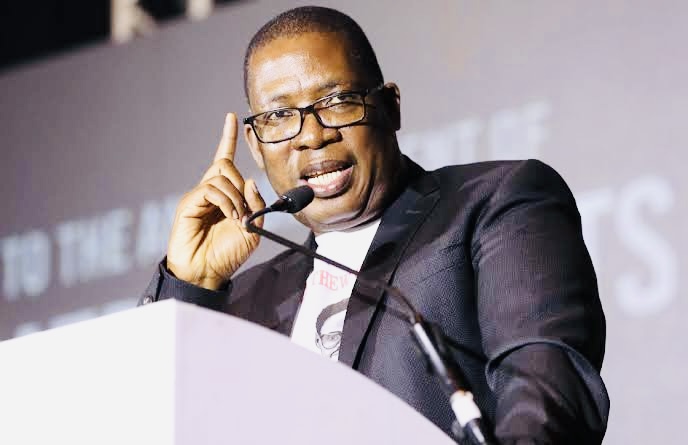
Gauteng Premier Panyaza Lesufi: Image Supplied
By Dakalo Mulaudzi: The clink of cutlery and the glow of certificates at the National Senior Certificate breakfast could easily have kept Monday’s gathering safely in celebration mode. Instead, Gauteng Premier Panyaza Lesufi turned the room into a boardroom — and the matric top achievers into a glimpse of South Africa’s next economy.
Speaking in Johannesburg at the award ceremony for the country’s 40 top achievers, Lesufi argued that applause alone won’t carry these learners into a globally competitive future. What will, he said, is a stronger state bet on education and technology — because that is where economic growth will be decided.
Gauteng Premier Panyaza Lesufi said that the government needs to make a greater investment in education and technology to ensure that the return is on growing the economy.
In a direct message to Minister of Basic Education Siviwe Gwarube, Lesufi pushed for classrooms that reflect the world learners are entering — including permission to use Artificial Intelligence (AI) as part of schoolwork, rather than treating it as a threat.
He was addressing Minister of Basic Education Siviwe Gwarube, saying this includes allowing pupils to use Artificial Intelligence (AI) in their school work.
But Lesufi’s sharper pivot was about what learners should stop carrying on their shoulders. He argued that the country’s brightest pupils should not be mentally trapped by what’s missing in their schools; instead, he wants them trained to imagine what’s possible with technology — even when conditions aren’t perfect.
He added that pupils should no longer worry about issues like a lack of resources, desks, or electricity in classrooms, but they should focus on what they can innovate through the use of artificial intelligence.
To illustrate the kind of practical innovation he believes could come from these very learners, Lesufi offered a domestic example with commercial potential — the kind of simple, exportable idea that turns skills into industries.
“Some of these children, one day they will develop that fridge that when you are still at work, you just send a text message to your fridge and say Dear fridge, please defrost this meat”
Behind the humour was a serious point: build the skills pipeline and the economy follows. Lesufi said the top achievers being honoured are not only candidates for university lecture halls, but potential inventors and job creators — if the system equips them accordingly.
He said that these learners have the potential to take the country forward, but to do that, a newfound focus needs to be placed on technology. He added that by building skills, learners can, in turn, contribute to the economy.







