
Subtotal R0,00

Politics/ 13 January 2026, 07:23am/ Mpho Mokoena
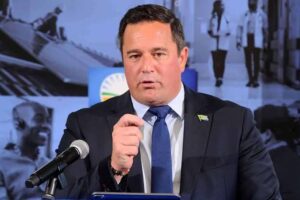
John Steenhuisen: Image Supplied
By Mpho Mokoena: The Democratic Alliance has declared its embattled leader John Steenhuisen innocent of any wrongdoing tied to a party credit card, after an internal probe by the party’s own leadership.
Yet behind the official exhale lies an ongoing ethics drumbeat that could shape the DA’s political future.
The party’s federal executive met on Monday to deliberate the investigation into Steenhuisen’s use of party funds. In a statement late that day, the DA announced that the findings had “no evidence of misappropriation of party funds.”
The decision, according to the party, comes after a comprehensive reconciliation process that linked all expenditures to the card.
Helen Zille, the federal executive chairperson, framed the outcome with a measured optimism. “There is no prima facie evidence of misuse of party funds,” she asserted, pointing to a meticulous review that also noted a small number of personal expenses were identified and subsequently reimbursed.
The official line sits atop a tension-filled backdrop: Steenhuisen, who also serves as the Minister of Agriculture, has weathered a separate storm over his personal finances.
A default judgment in the Cape Town Magistrates’ Court last May ordered nearly R150,000 in unpaid personal credit card debt, a debt that has raised questions given his ministerial salary of more than R2.6 million per year.
A Daily Maverick report from the period outlined that the May judgment pertained to personal debt, not party funds. It was also alleged that the DA’s federal finance committee had removed Steenhuisen’s party credit card last year when reconciliation issues arose.
The party’s current stance, however, emphasizes that the internal review found no misuse, and the card’s tied expenditures were fully reconciled.
Yet the story doesn’t end with a clean bill of health. The DA has signaled that a separate inquiry will continue to probe whether Steenhuisen, or former minister Dion George, may have brought the party into disrepute amid public fallout.
Zille confirmed that the federal legal commission had recommended a disciplinary inquiry, a recommendation the federal executive accepted.
As the DA executes this double-track approach—clearing Steenhuisen on the card issue while opening another inquiry into possible disrepute—the party is navigating a tricky political corridor.
Supporters argue that the leadership’s transparency and reconciliation efforts reflect a mature internal governance process. Critics, meanwhile, warn that the lingering questions could gnaw at the party’s credibility, especially among voters watching for accountability at the highest levels.







