Subtotal R0,00


Eastern Cape/ 31 October 2025, 06:59am/ Ayanda Shezi
Judge Makaula apologises for comments he had made during JSC interview. Image Supplied
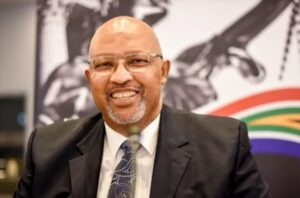
By Ayanda Shezi: Eastern Cape High Court Judge Mandela Makaula has publicly apologised for remarks that drew sharp criticism from the legal fraternity in Mthatha, pledging to rebuild trust and promote dialogue between the judiciary and legal practitioners. The apology follows widespread backlash over comments he made during his Judicial Service Commission (JSC) interview earlier this month for the position of Deputy Judge President of the Eastern Cape.
During the interview, held in Cape Town, Makaula referred to what he described as “problems” within the Mthatha legal community, calling it “untrustworthy” and asserting that “you can’t trust anyone in Mthatha unless you know them.” His comments immediately sparked outrage from bar associations and attorneys’ councils in the region, who viewed them as unfounded and damaging to the reputation of Mthatha’s legal practitioners.
In a statement released on Thursday by the Office of the Chief Justice, Judge Makaula retracted his remarks, describing them as “unfortunate and disparaging.” He acknowledged that his comments were inappropriate and that they unfairly cast doubt on the integrity of an entire group of professionals without evidence.
“I hereby withdraw the remarks I made,” Makaula said in the statement. “I also publicly, unconditionally, and sincerely apologise for those remarks, which were unfairly uttered without providing justification or evidence. I particularly regret painting all Mthatha practitioners with the same brush and making an unfair comparison by suggesting that practitioners in Gqeberha conduct themselves better than those in Mthatha.”
Following the public outcry, Makaula took steps to address the issue formally. He appointed Advocate Dali Mpofu SC to represent him in meetings with legal bodies that had expressed concern about his comments. Mpofu facilitated discussions with several professional associations, including regional law societies and bar councils, to find a way forward that would restore mutual confidence between the judiciary and the legal profession.
Makaula confirmed that after “extensive deliberations,” most of the participating parties welcomed his apology and agreed to a mutually negotiated resolution. The discussions reportedly focused on strengthening communication channels between judges and practitioners to address internal issues constructively and prevent similar incidents from recurring.
He also emphasised his commitment to handling future grievances or observations through official internal mechanisms, rather than in public forums, to maintain the dignity of the judiciary and the profession. “I have committed myself to addressing any future concerns through existing internal channels, rather than by raising them in the public domain,” he said.
In his statement, Makaula said he intends to be “part of the solution” in addressing underlying issues affecting the functioning of the courts. “I commit to fostering ongoing dialogue between the judiciary, the legal profession, and the public they serve,” he said.
He further noted that a consultation process between judicial leadership and legal representatives will begin soon, aiming to establish practical steps for improving relations and addressing operational challenges. The process is expected to take shape before the first court term of 2026, with official updates to be shared once agreements are finalised.
The Judicial Service Commission, which interviewed Makaula and two other candidates for the deputy judge president position, later announced that none of the three applicants would be appointed. The post will be re-advertised next year, highlighting the JSC’s cautious approach to filling senior judicial leadership roles amid ongoing calls for transformation, professionalism, and accountability within the judiciary.
Several legal bodies have reportedly welcomed Makaula’s move as an important step toward restoring confidence, though some remain cautious, emphasizing that trust will need to be rebuilt through consistent action, not just words.