Subtotal R0,00

Gauteng/ 25 November 2025, 12:16pm/ Ayanda Shezi
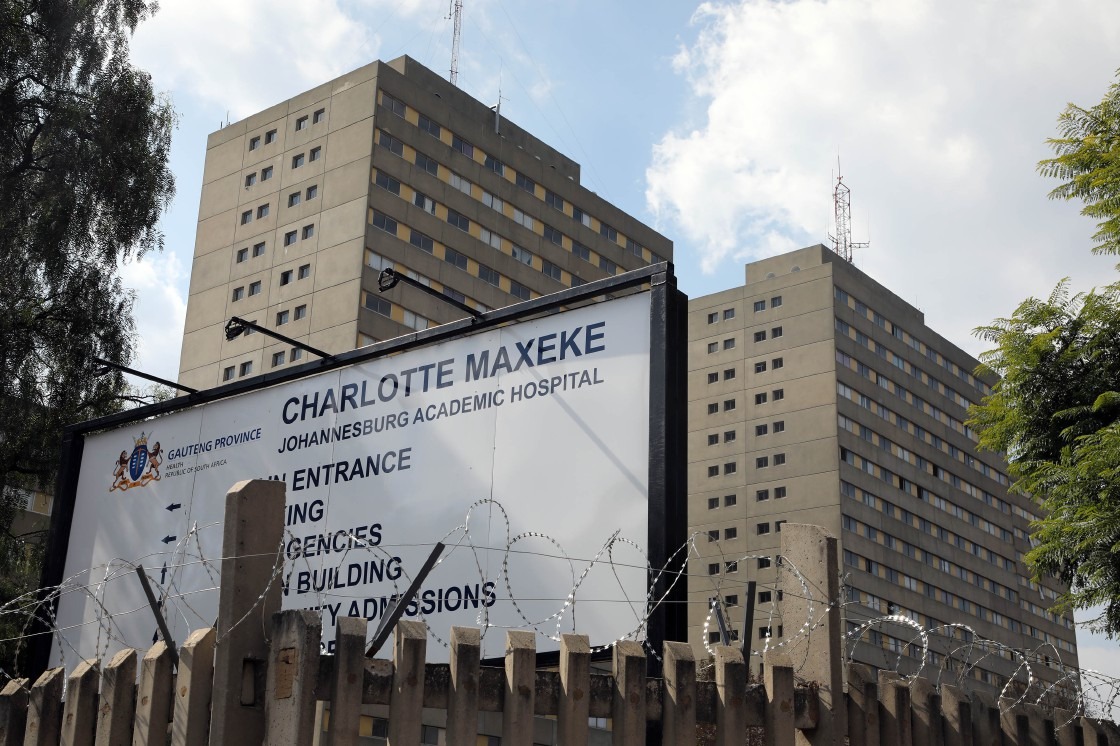
Patients at Charlotte Maxeke are facing hunger as central lunch supplier is shut down due to E. coli contamination. Image Supplied
By Ayanda Shezi: Patients at Charlotte Maxeke Johannesburg Academic Hospital (CMJH) are confronting a sudden and alarming food shortage, leaving many without proper meals during the day. The crisis emerged after the central supplier of plated lunches, the Masakhane Cook Freeze Factory in Tshwane, was shut down following reports of contaminated food.
The situation was highlighted during a visit by DA Gauteng Shadow Health MEC Dr Jack Bloom, who had received multiple complaints from patients and families about the poor quality of hospital meals. “I was shocked to discover that patients were getting nothing more than a single slice of bread with margarine and cheese for lunch,” Bloom said, describing the meal as wholly inadequate for individuals recovering from illness or undergoing treatment.
Ordinarily, patients receive a full plate consisting of protein, vegetables, and a starch. The sudden loss of these meals has left many patients dependent on family members to bring in food. A nurse at CMJH, speaking on condition of anonymity, said, “Relatives are now bringing in food because patients can’t go without. It’s heartbreaking to see people in pain and still worried about where their next meal will come from.”
The Masakhane facility, which serviced several major facilities, produced approximately 8 000 plated meals each day for facilities including Jubilee, Odi, Tshwane District, Bronkhorstspruit, and Lenasia District hospitals. Its abrupt closure came after city inspectors detected E. coli contamination, prompting an immediate shutdown.
Bloom criticised the situation, calling it the result of long-term mismanagement and insufficient investment in essential equipment. “It is shameful that a provincial food facility has been shut down because of contaminated food. This did not happen overnight, it is the result of neglect,” he said.
For now, patients are facing the immediate consequences. Many are elderly, recovering from surgery, or without family nearby, relying entirely on hospital services for their daily meals. While CMJH can continue to provide breakfast and supper through its on-site kitchen, the midday meal gap has become a significant concern for both patients and staff.
Families and healthcare workers are increasingly worried about how long the shortage will last and what measures the Gauteng Department of Health will take to ensure patient safety and nutrition.