Subtotal R0,00

News/ 25 November 2025, 09:01am/ Ayanda Shezi
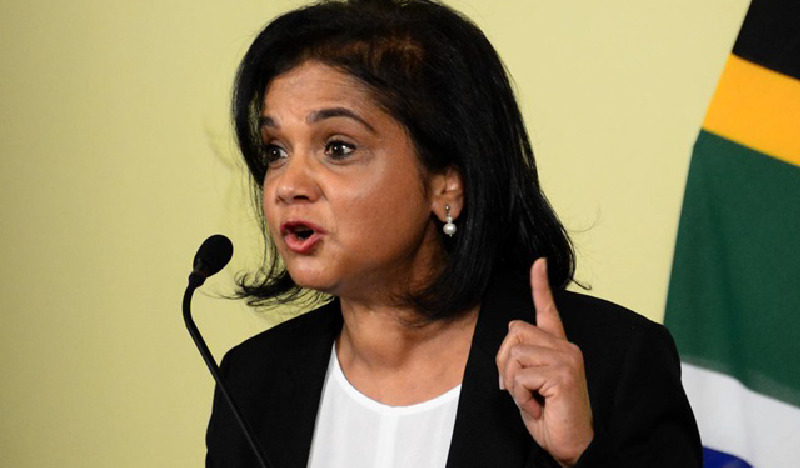
Batohi tells the inquiry the indictment was pushed without supporting evidence. Image Supplied
By Ayanda Shezi: National Director of Public Prosecutions (NDPP) Advocate Shamila Batohi has told the Nkabinde Inquiry that it was unlawful for Deputy Director of Public Prosecutions (DDPP) Advocate Andrew Chauke to push for an indictment to be signed in the Booysen matter without providing the necessary supporting evidence to the acting KwaZulu-Natal Director of Public Prosecutions at the time, Advocate Cyril Mlotshwa.
Batohi gave her testimony before the inquiry, explaining that the emails, affidavits, and documents submitted to the panel point to what she described as prima facie interference in prosecutorial decision-making. This issue lies at the centre of the inquiry’s mandate, which includes assessing Chauke’s fitness to hold office. Her testimony was led by Evidence Leader Advocate David Mahlomanyane.
During her evidence, Batohi clarified the purpose and nature of an indictment. She said it is a High Court document formally setting out the charges against an accused person, usually accompanied by a summary of the substantial facts on which those charges are based. She explained that such a document cannot be signed without verifying the supporting evidence.
According to Batohi, Mlotshwa refused to sign an indictment that Chauke emailed to him on 12 June 2012 because the supporting documents were missing despite his repeated requests. She said Mlotshwa stressed that signing an indictment without seeing the evidence backing the charges would be unlawful. The inquiry heard that the prosecution team had bypassed Mlotshwa and communicated directly with Chauke, which left Mlotshwa without access to crucial documentation.
The email chain presented to the panel showed Mlotshwa consistently raising concerns. In one communication, he warned in writing that he could not sign any document without first confirming that the evidence aligned with the charges. Batohi also highlighted a remark where Chauke told Mlotshwa to voice any discomfort he had so that Chauke could escalate the matter to the Acting NDPP and the Minister. Batohi noted that involving the Minister was problematic because the Minister plays no role in operational prosecutorial decisions.
The inquiry was told that Mlotshwa was removed from his acting position as KwaZulu-Natal DPP on 9 July 2012. A few days later, Advocate Moipone Noko was appointed on the recommendation of then-Acting NDPP Advocate Nomgcobo Jiba.
Batohi stated that on 10 July 2012—the day after Mlotshwa’s term ended—a racketeering authorisation application in the Booysen case, bearing Chauke’s name, was submitted to the NPA’s VGM offices.
A supplementary opinion by Dr Broughton indicated that the application was unsigned, and the relevant 2012 racketeering file could not be located at the VGM offices. The inquiry also heard evidence from an affidavit by Advocate Anthony Mosing, who was a DDPP in the Special Projects Division at the time. He said he received the racketeering application “under cover of the letter from DPP South Gauteng” around that period. The submission included a draft indictment, draft POCA authorisations, and a prosecution memorandum detailing the evidence and proposed charges. Batohi confirmed these authorisations were also unsigned.
Batohi told the panel that she does not know whether Mlotshwa ever received the prosecution memorandum. “As I sit here, I do not know if Advocate Mlotshwa received the prosecution memo,” she said.
She added that she would later explain how the racketeering authorisation eventually came to be signed. She assured the panel of her commitment to transparency, stating: “I want to give the panel all the facts as far as I am aware of.”