
Subtotal R0,00

Economy/ 08 October 2026, 07:31am/Linda Mgomezulu
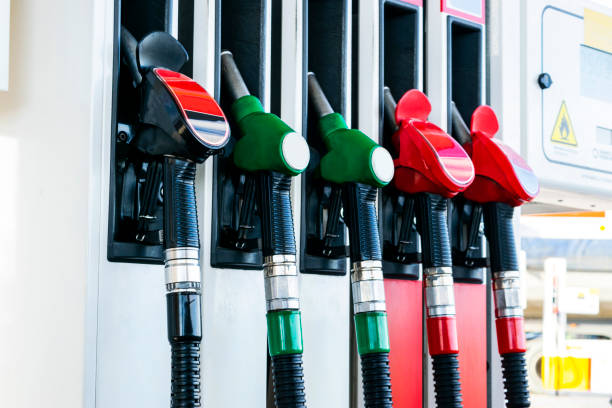
By Linda Mgomezulu: Parliament’s ANC study group has urged National Treasury to act swiftly on fuel taxes and levies after motorists were hit by an increase of about R3 a litre on Wednesday — a jump expected to drive up the cost of commuting, food and essential goods across South Africa.
The appeal shifts the spotlight beyond global oil markets and towards the portion of the fuel price that government can directly influence: the General Fuel Levy and the Road Accident Fund Levy.
The ANC Study Group on Minerals and Petroleum Resources says the price surge, effective from October 7, reflects international pressures largely outside South Africa’s control. But it argues that Treasury has an opportunity — and a responsibility — to provide immediate breathing room for consumers already under severe financial strain.
“We recognise that the increase is driven largely by factors beyond our borders. While global prices are outside government’s control, the taxes and levies within the fuel price are not.”
The call places Treasury in a difficult balancing act. Reducing levies could soften the immediate blow for drivers, taxi commuters and businesses, but it would also mean foregoing revenue at a time when public finances remain under pressure.
For households, however, the fuel increase is about far more than filling up a tank. Higher diesel and petrol prices filter quickly through the economy, raising transport fares, delivery charges and the cost of moving food from farms and warehouses to supermarket shelves.
“This is not just a fuel price issue. It is a cost-of-living crisis. South Africans will pay more to get to work, food will cost more, and poor households that rely on paraffin will be hit hardest,” the study group said.
The ANC has pointed to the government’s 2022 intervention, when the General Fuel Levy was reduced temporarily as international oil prices surged. That move demonstrated, the group says, that tax relief can be used as a short-term shield when motorists face exceptional price pressure.
But the parliamentary group has also acknowledged that a levy reduction would not resolve the underlying problem: South Africa’s growing exposure to volatile global fuel markets.
Years of refinery shutdowns have left the country increasingly dependent on imported refined fuel. That reliance means local consumers are vulnerable not only to swings in international crude-oil prices and the rand-dollar exchange rate, but also to shipping costs and disruptions in global supply chains.
The ANC study group says rebuilding domestic refining capacity must become a central part of the country’s long-term energy-security strategy. It has called on the Central Energy Fund and the Department of Mineral and Petroleum Resources to accelerate work with the South African National Petroleum Company.
“The business case of the SANPC plans to strengthen the domestic refinery capacity and will be the long-term solution to our country’s import dependency,” the group said.
“We therefore call on the Central Energy Fund and the Department of Mineral and Petroleum Resources to fast-track the processes to re-establish our domestic refining capacity working together with the SANPC.”
The intervention comes as consumers brace for a painful month of higher transport and household costs. The ANC said it hoped that a stronger rand and easing international oil prices could bring some relief when fuel prices are adjusted again in November.
Until then, the group says it will maintain pressure through parliamentary oversight of the fuel-pricing system and the security of South Africa’s liquid-fuel supply — with the aim of limiting further hardship for working-class and low-income households.







