
Subtotal R0,00

News/08 October 2026, 05:36am/ Linda Mgomezulu
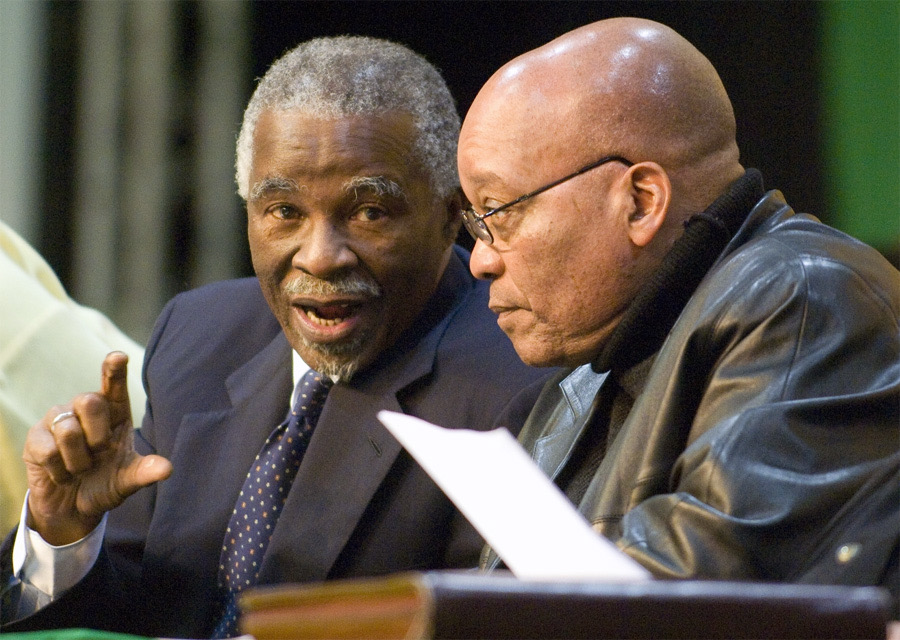
Thabo Mbeki and Jacob Zuma: Image Supplied
By Linda Mgomezulu: All eyes will be on former presidents Jacob Zuma and Thabo Mbeki later this month as the two political heavyweights prepare to testify before the Truth and Reconciliation Commission (TRC) inquiry hearings—at a time when questions about power, influence, and accountability continue to hang heavily over the process.
The inquiry has been probing whether alleged attempts were made to prevent the investigation and prosecution of alleged political interference in TRC cases—an investigation that could further clarify what role, if any, powerful figures may have played behind the scenes.
With the courtroom calendar now locked in, the spotlight will shift rapidly from political statements to sworn testimony.
Mbeki is expected to testify on 19 and 20 October.
Zuma is expected to testify on 22 October.
As the dates approach, the question observers are asking is simple: what will the former leaders reveal—directly, and under oath—about alleged efforts tied to the TRC inquiry’s central concerns?
Just months earlier, in August this year, Zuma and Mbeki failed in their latest attempt to have Justice Sisi Khamphepe removed as chairperson of the TRC cases inquiry after the Constitutional Court dismissed their review application.
That move formed part of a broader legal struggle over whether the chairperson’s prior experience created grounds for concern about impartiality—an argument that, despite persistent efforts, did not succeed.
The legal challenge followed a ruling by the Gauteng High Court in Johannesburg that dismissed Zuma and Mbeki’s bid to have Khampepe recused from a commission of inquiry established to probe the political suppression of investigations and prosecutions of apartheid-era crimes outlined in the TRC report.
Zuma and Mbeki maintained that her earlier roles created a reasonable perception that she could be biased in dealing with matters before the TRC cases inquiry.
In other words, their argument was not merely about feelings or allegations—but about the appearance of fairness, and whether that appearance met the standards expected in high-stakes proceedings.
However, the High Court found that the application had failed to meet a procedural requirement under Section 47(1) of the Superior Courts Act.
The provision requires the Chief Justice’s consent before civil proceedings can be brought against a judge—an obstacle that the court said the challenge did not properly overcome.
The legal momentum has not ended with court rulings. In May 2026, President Cyril Ramaphosa, who established the commission, extended the Khampepe Commission of Inquiry’s term until 18 December 2026.
The Presidency confirmed the lifespan of the inquiry was extended to allow the commission more time to complete its probe into alleged attempts to prevent the investigation and prosecution of apartheid-era crimes.
That extension signals that the inquiry—already under intense public scrutiny—will continue beyond the near-term testimony schedule as investigators and commissioners seek to reach deeper conclusions.
The establishment of the commission of inquiry is part of an agreement reached in settlement discussions in a court application brought by families of victims of apartheid-era crimes.
For many observers, that detail is more than legal background—it frames the hearing as part of a larger quest for answers and recognition, tied to communities still seeking closure and accountability decades after apartheid-era atrocities.







