Subtotal R0,00

Disclaimer: The opinions expressed within the following content are solely the authors and do not reflect the opinions and beliefs of the Insider Chronicle or its affiliates.
Opinion Piece/ 21 March 2025, 18:05pm/Lebona Lekoena
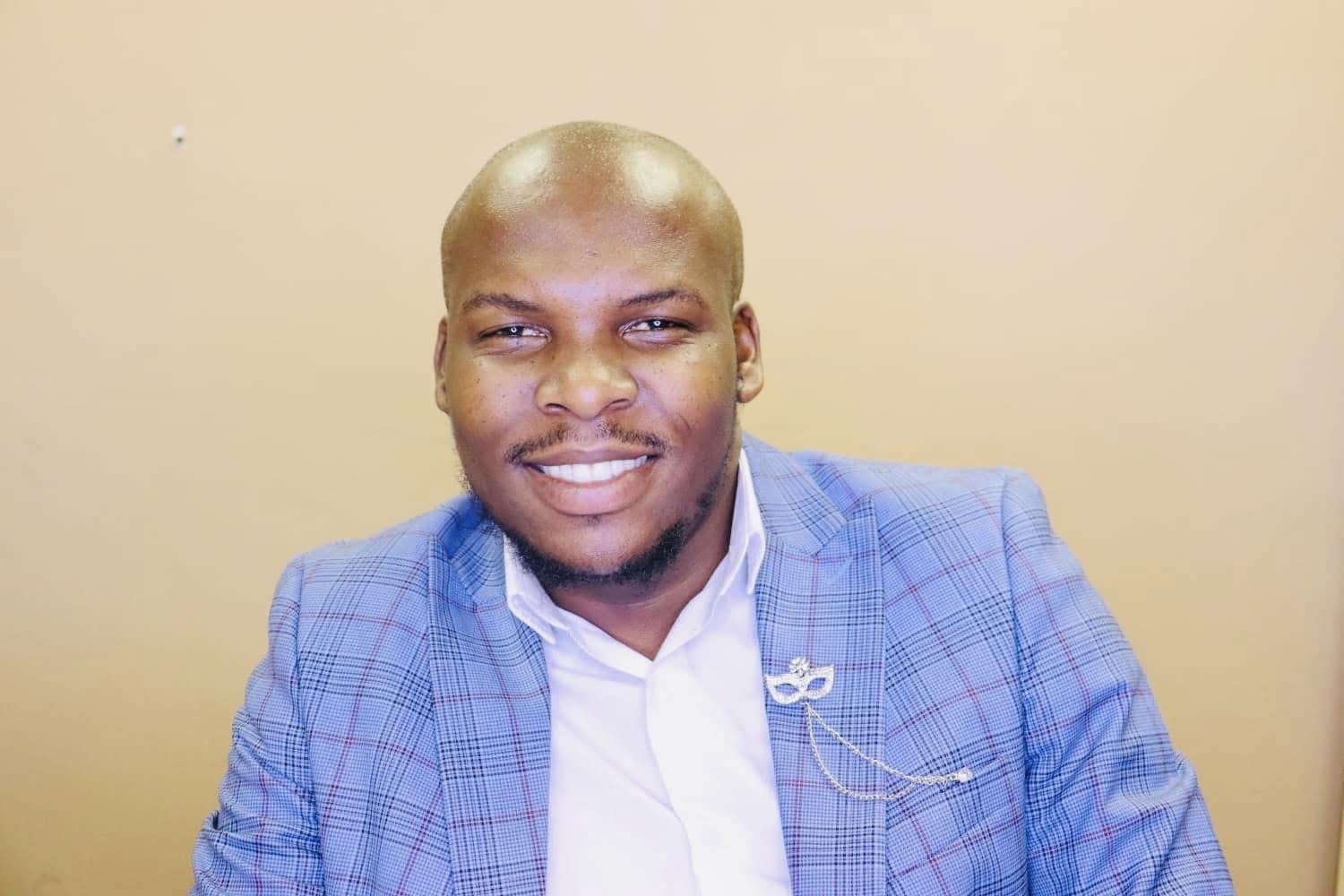
Lebona Lekoena: Image Supplied
By Lebona Lekoena: As we commemorate Human Rights Day in South Africa, we find ourselves at a critical juncture in our nation’s 31-year journey of democracy. This day, observed annually on March 21, serves as a poignant reminder of the sacrifices made by countless individuals who fought against apartheid. It is a day to reflect on the progress we have made, the challenges we still face, and the ongoing struggle for justice and equality that defines our society.
Human Rights Day is not merely a date on the calendar; it is a manifestation of our commitment to uphold the dignity and rights of every South African. The Sharpeville Massacre, which took place on March 21, 1960, serves as a stark reminder of the brutality of the apartheid regime. Fifty-nine people were killed while protesting against pass laws that restricted their freedom of movement. This tragic event galvanized the anti-apartheid movement and highlighted the urgent need for change.
Today, as we celebrate our democracy, we must acknowledge the progress that has been made. The Constitution, adopted in 1996, is a beacon of hope that enshrines the rights of all citizens. It is a testament to our commitment to equality, freedom, and justice. Yet, as we bask in the glow of this achievement, we must also confront the harsh realities that persist in our society.
In the era of democracy, South Africans have witnessed significant advancements in various sectors. Access to education has improved, with millions of children now able to attend school, a stark contrast to the days when education was racially segregated and largely inaccessible to black South Africans. The introduction of policies aimed at redressing historical injustices has led to increased enrollment rates in schools and universities. However, the quality of education remains uneven, with rural areas and township schools often lagging behind their urban counterparts.
Health care services have expanded, although they remain under strain. The establishment of the National Health Insurance (NHI) aims to provide universal health coverage, yet significant challenges remain in implementation. The COVID-19 pandemic exposed many weaknesses in our health care system, including inadequate infrastructure and staffing shortages, which disproportionately affected vulnerable communities.
The establishment of institutions to protect human rights, such as the South African Human Rights Commission (SAHRC), has provided a platform for individuals to seek justice. The commission has been instrumental in investigating complaints of human rights violations, yet it often faces criticism regarding its effectiveness and responsiveness.
Furthermore, the cultural landscape of our nation has flourished. South Africa is a vibrant tapestry of languages, traditions, and artistic expression. The freedom to express oneself, to engage in public discourse, and to advocate for change is a hallmark of our democratic society. Events like MACUFE, National Arts Festival and the Cape Town International Jazz Festival showcase our rich cultural diversity, yet access to these events remains limited for many due to economic barriers.
However, these gains are overshadowed by persistent issues that threaten the very foundation of our democracy. The high unemployment rate, currently hovering around 34%, is a glaring violation of the economic rights of our citizens. Unemployment not only robs individuals of their dignity but also perpetuates cycles of poverty and inequality. It creates a sense of hopelessness that can lead to social unrest and a deterioration of community cohesion.
One of the most pressing issues in our post-apartheid society is land reform. Despite the promises made during the transition to democracy, land ownership remains skewed in favor of a minority. The historical injustices of land dispossession continue to impact the lives of millions of South Africans who are still waiting for redress.
The land question is not merely about economics; it is intrinsically linked to identity, culture, and dignity. For many, land is synonymous with heritage and belonging. The ongoing struggle for land reform is a critical component of our fight for social justice. As we commemorate Human Rights Day, we must reaffirm our commitment to addressing this injustice and ensuring that land is equitably distributed.
The current land reform debates often evoke strong emotions, with differing opinions on how to approach this sensitive issue. Some advocate for expropriation without compensation as a necessary step to rectify historical wrongs, while others warn that such measures could deter investment and destabilize the economy. This complexity underscores the need for inclusive dialogue that considers the voices of all stakeholders, including marginalized communities, landowners, and agricultural organizations.
In recent months, AfriForum has made headlines for its attempts to garner international support, particularly from the United States, by framing the narrative surrounding race relations in South Africa in a way that is both misleading and inflammatory. A notable instance of this occurred when representatives of AfriForum sought the backing of President Donald Trump, claiming that white South Africans are facing systemic abuse and violence. This tactic not only distorts the realities of our diverse society but also serves to deepen societal divisions at a time when unity is crucial.
AfriForum has consistently portrayed itself as a defender of the rights of white South Africans, asserting that they are being marginalized and victimized in the post-apartheid landscape. Their recent overtures to Trump included assertions that white individuals in South Africa are facing discrimination and violence, which they claimed warranted international intervention. This narrative, however, is steeped in selective statistics and anecdotal evidence that fail to represent the broader context of crime and violence in the country.
While it is true that crime affects all South Africans regardless of race, the portrayal of white individuals as uniquely targeted for violence is not only misleading but dangerous. It ignores the complexities of crime in South Africa, which is deeply rooted in socioeconomic factors, including poverty, unemployment, and inequality. By focusing solely on racial identity, AfriForum risks perpetuating a narrative that oversimplifies these issues and overlooks the lived experiences of many black and colored South Africans who face violence and discrimination daily.
Seeking support from international figures like President Donald Trump is a strategic move that AfriForum employs to amplify its message and gain legitimacy on the global stage. By framing their narrative in a way that appeals to the sentiments of certain right-wing factions abroad, they attempt to position themselves as a beleaguered minority fighting against an oppressive regime. This approach not only distorts the realities of South Africa but also invites external interference in our domestic affairs.
This tactic is particularly concerning given Trump’s track record of divisive rhetoric and policies. The US president has historically made statements that resonate with nationalist sentiments, often appealing to fears about immigration and social change. By aligning their narrative with his, AfriForum seeks to legitimize its claims and cultivate an image of victimhood that distracts from the pressing issues facing the nation as a whole.
Moreover, AfriForum’s actions risk alienating the very communities they claim to represent. By painting a picture of perpetual victimhood, they undermine the resilience and agency of many white South Africans who are actively working towards building a more equitable society. True progress requires collaboration and understanding, not division and fear-mongering.
The rhetoric employed by AfriForum and similar organizations has the potential to undermine social cohesion in South Africa. By framing the struggle for rights and recognition as a zero-sum game, where the gains of one group are seen as losses for another they contribute to polarization rather than unity. This divisive discourse threatens to unravel the fabric of our democracy, which is built on the principles of equality, mutual respect, and understanding.
Instead of fostering dialogue and collaboration among South Africans of all backgrounds, AfriForum’s actions encourage mistrust and animosity. This is particularly troubling in a country that has made significant strides towards reconciliation since the end of apartheid. The legacy of our struggle is one of unity in diversity, and any attempt to reverse this progress is not only counterproductive but also a betrayal of the sacrifices made by those who fought for a free and equal South Africa.
As we reflect on the significance of Human Rights Day and the ongoing journey of democracy, it is imperative that we reject divisive narratives that seek to pit one group against another. The fight for human rights in South Africa is not about elevating one race over another; it is about ensuring that every individual, regardless of their background, enjoys the full spectrum of rights and protections guaranteed by our Constitution.
We must recognize that the challenges we face such as high unemployment rates, land reform, and social inequality are systemic issues that require collective action and solidarity. The path forward lies in fostering dialogue, understanding, and cooperation among all South Africans. By working together, we can address the root causes of violence and inequality, build a more just society, and honor the legacy of those who fought for our freedom.
To address the high unemployment rate, we must advocate for policies that promote job creation, skills development, and economic empowerment. Education and training programs should be tailored to meet the needs of our evolving economy, ensuring that all South Africans have the opportunity to contribute meaningfully to society. This requires investment in vocational training, entrepreneurship, and support for small and medium enterprises.
The government should also consider implementing youth employment initiatives, which have proven effective in other countries. For instance, countries like Germany have successfully reduced youth unemployment through apprenticeship programs that bridge the gap between education and employment. Learning from such models could provide valuable insights for South Africa as it seeks to empower its youth.
In terms of land reform, we must engage in constructive dialogue that prioritizes equitable solutions. This includes exploring innovative models of land redistribution and supporting emerging farmers. It is crucial that we approach this issue with sensitivity and a commitment to social justice, recognizing the historical context while working towards a fair future.
Furthermore, fostering a culture of dialogue and reconciliation is essential for healing the wounds of the past. Initiatives that promote inter-community engagement can help bridge divides and build a sense of shared purpose. By creating spaces for honest conversations about race, identity, and belonging, we can cultivate a more inclusive society.
Education plays a pivotal role in shaping a more equitable society. It is essential that we invest in not only primary and secondary education but also in higher education and vocational training. The government must prioritize funding for schools in underprivileged areas to ensure that all children have access to quality education. This includes hiring qualified teachers, improving infrastructure, and providing necessary resources.
Additionally, universities and colleges should focus on developing curricula that promote critical thinking, inclusivity, and social justice. By instilling these values in future leaders, we can foster a generation that is better equipped to tackle the challenges facing our nation.
Civil society organizations have a crucial role to play in advocating for human rights and social justice. They serve as watchdogs, holding the government accountable and ensuring that the voices of marginalized communities are heard. Strengthening these organizations through funding and support can enhance their capacity to effect change.
Furthermore, partnerships between civil society, government, and the private sector can lead to innovative solutions that address pressing social issues. For example, public-private partnerships in housing and infrastructure development can create jobs while improving living conditions for many South Africans.
To ensure that the gains of democracy are preserved, it is vital to cultivate a culture of accountability. This includes holding public officials accountable for corruption and maladministration, which have plagued our democracy. Transparent governance and a free press are essential components of this accountability.
Moreover, citizens must be encouraged to participate in the democratic process actively. This means not only voting in elections but also engaging in local governance, attending community meetings, and advocating for their rights. A politically informed and active citizenry is crucial for the health of our democracy.
Human Rights Day is a call to action a reminder that the fight for justice and equality is far from over. As we celebrate 31 years of democracy, we must honor the legacy of those who came before us by continuing their work. We must confront the challenges that persist, including unemployment, land reform, and the forces of division that seek to undermine our progress.
In the face of adversity, let us embrace our shared humanity and reaffirm our commitment to building a society that is inclusive, just, and equitable. The gains of democracy are precious, and it is our collective responsibility to safeguard them for future generations. Together, let us ensure that the promise of human rights resonates in every corner of our nation, empowering all South Africans to live with dignity and purpose.
As we move forward, let us take inspiration from the words of Nelson Mandela, who once said, “It always seems impossible until it’s done.” The journey ahead may be challenging, but through unity, resilience, and unwavering commitment to justice, we can continue to build a South Africa that reflects the ideals enshrined in our Constitution and honors the sacrifices made for our freedom.
Lebona Lekoena is the Chairperson of the Free State Publishers and Editors Forum and writes in his personal capacity.