Subtotal R0,00

Mpumalanga/ 15 April 2025, 16:00pm/ Staff Writer
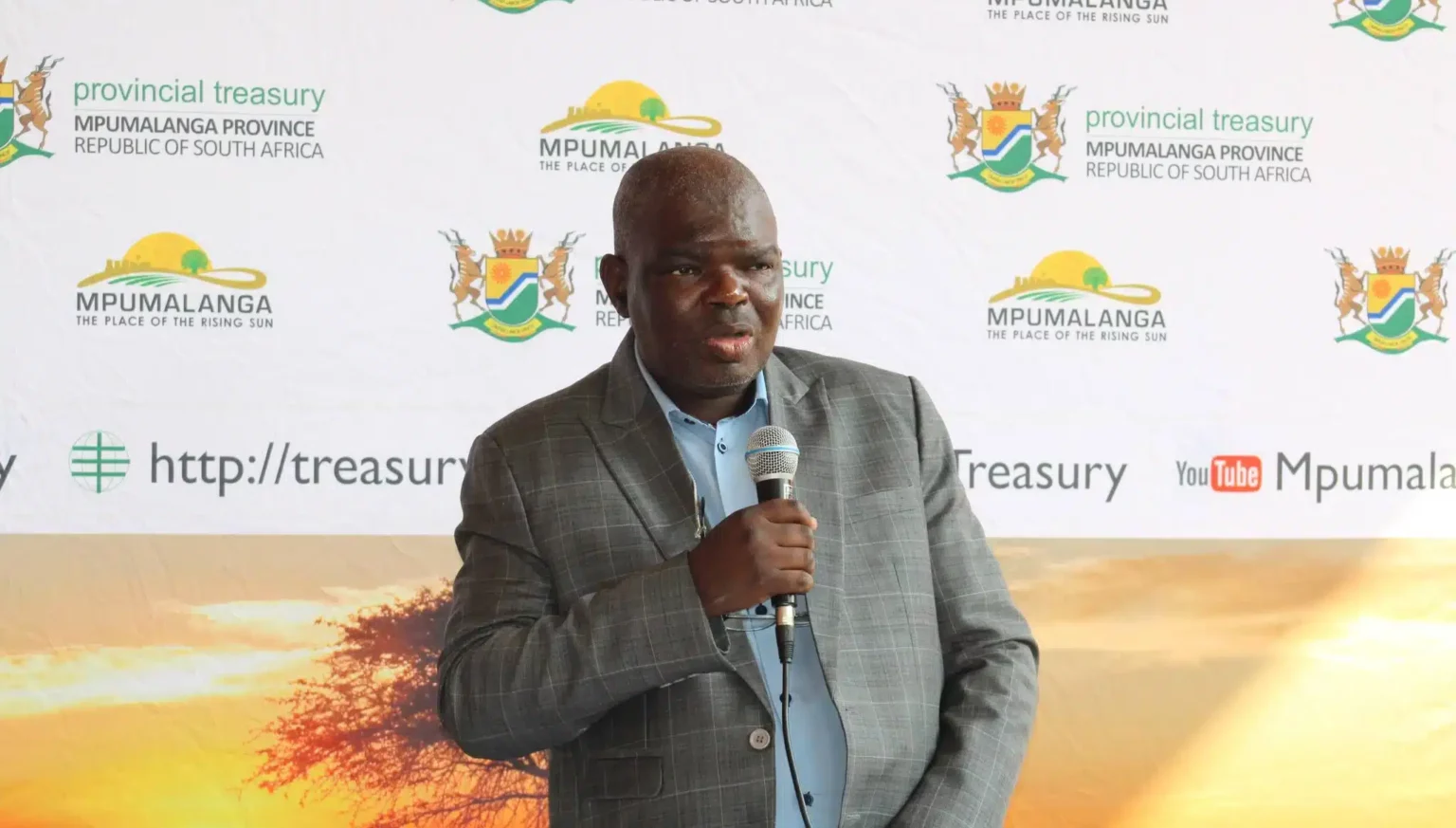
Mpumalanga Finance MEC Bonakele Majuba: Image Supplied
By Staff Writer: Mpumalanga Finance MEC Bonakele Majuba has slammed the widespread appointment of unqualified individuals to critical positions in municipalities, blaming the practice for poor service delivery and ongoing financial mismanagement across the province.
Speaking during a meeting with representatives from the province’s 20 municipalities in Mbombela, Majuba did not mince his words, warning that action would be taken against municipalities that continue to flout appointment regulations.
“It’s criminal, and if people who don’t qualify are appointed, consequence management has got to follow,” Majuba said. “We are going to follow such things and investigate and make sure those responsible pay the price. Everyone working in municipalities must have the necessary qualifications and experience to serve our people.”
The meeting was convened amid growing concerns over the financial instability of municipalities, many of which are struggling to deliver basic services due to poor leadership and mounting debt.
Majuba pointed to the appointment of unskilled officials as one of the root causes of ongoing governance failures and vowed to hold those accountable for making such hires.
He also turned his attention to provincial government departments that are failing to pay municipal bills, saying this behaviour undermines the sustainability of local governments. Majuba threatened to withhold funds from defaulting departments, stating that no department is above financial accountability.
The Department of Public Works was identified as one of the biggest culprits, with the rural Bushbuckridge Local Municipality owed more than R1 billion by government departments alone.
Bushbuckridge Chief Financial Officer Thembisile Mathabatha said the situation is dire, as the municipality is heavily reliant on conditional grants, which have been shrinking over recent years.
“We have experienced significant reductions in grants over the past two to three financial years, which means we have to rely more on collecting what is owed to us,” said Mathabatha. “Government departments owe us R1 billion, and another R2 billion is owed by businesses and households. Without these funds, we cannot provide quality services.”