Subtotal R0,00


International News/ 25 April 2025, 15:36pm/ Lijeng Moruthane
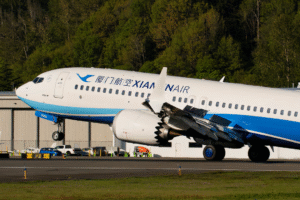
China’s halt on Boeing jet deliveries intensifies trade tensions with the U.S: Image Supplied
By Lijeng Moruthane: In a significant development that has escalated tensions between the United States and China, Beijing has reportedly instructed its airlines to halt further deliveries of Boeing jets. The move comes amid ongoing trade disputes and accusations from U.S. President Donald Trump that China has reneged on a major deal with the American aviation giant.
According to reports, Chinese authorities have also ordered airlines to pause purchases of aircraft-related equipment and parts from U.S. companies, further complicating the already fraught trade relationship. The news has drawn a sharp response from President Trump, who took to Truth Social to criticize China for backing out of the deal, saying they would “not take possession” of aircraft that had been fully committed to under previous agreements.
“China just reneged on the big Boeing deal,” Trump wrote, adding that the country had failed to follow through on its commitments. While he did not provide further details on the specific terms of the deal, Trump’s remarks have only fueled the fire of the ongoing trade conflict between the two nations.
The White House, through Press Secretary Karoline Leavitt, echoed Trump’s frustration, stating that it is now up to China to come to the negotiating table. Leavitt read out a statement from the President, emphasizing, “The ball is in China’s court. China needs to make a deal with us. We don’t have to make a deal with them.”
This latest turn in the U.S.-China trade dispute follows a pattern of escalating tensions between the two economic powerhouses. Since returning to the presidency, Trump has imposed steep tariffs on Chinese imports, including a 145% additional levy on many Chinese goods. The President has made no secret of his dissatisfaction with China’s performance under previous trade agreements, and his administration continues to push for greater concessions from Beijing.
Trump’s criticism extends beyond the Boeing deal. He has repeatedly accused China of failing to meet the terms of a trade pact signed during his first term, which was intended to de-escalate the tariff war between the two countries. According to Trump, China only purchased “a portion of what they agreed to buy,” adding that Beijing had “zero respect” for his predecessor, President Joe Biden.
The President has also reaffirmed his commitment to protecting U.S. farmers, who, according to him, are often caught in the crossfire during trade disputes. “Our farmers are put on the Front Line with our adversaries, such as China,” Trump said in a follow-up post.
Despite these strong words, Leavitt suggested that Trump remains open to negotiating with China, but emphasized that it is up to Beijing to take the first step. “China needs to move forward,” she said, pointing to the leverage that the strength of the U.S. consumer market provides in the ongoing trade negotiations.
In response to the ongoing tariffs, China has imposed its own countermeasures, including additional tariffs on U.S. agricultural goods and a sweeping 125% levy on imported American products. While these actions have intensified the trade conflict, the recent halt in Boeing deliveries marks a new and significant chapter in the dispute.
Boeing, for its part, has declined to comment on the Bloomberg report. However, the company’s shares saw a 1.7% drop on Tuesday afternoon, reflecting investor concerns over the potential long-term impact of the stalled deal.
As of now, China’s foreign ministry has not issued a response to the latest developments. With both sides holding firm in their positions, it remains to be seen whether Beijing will return to the negotiating table or if the trade war will continue to escalate.