Subtotal R0,00

International/ 30 November 2025, 06:23am/Staff Writer
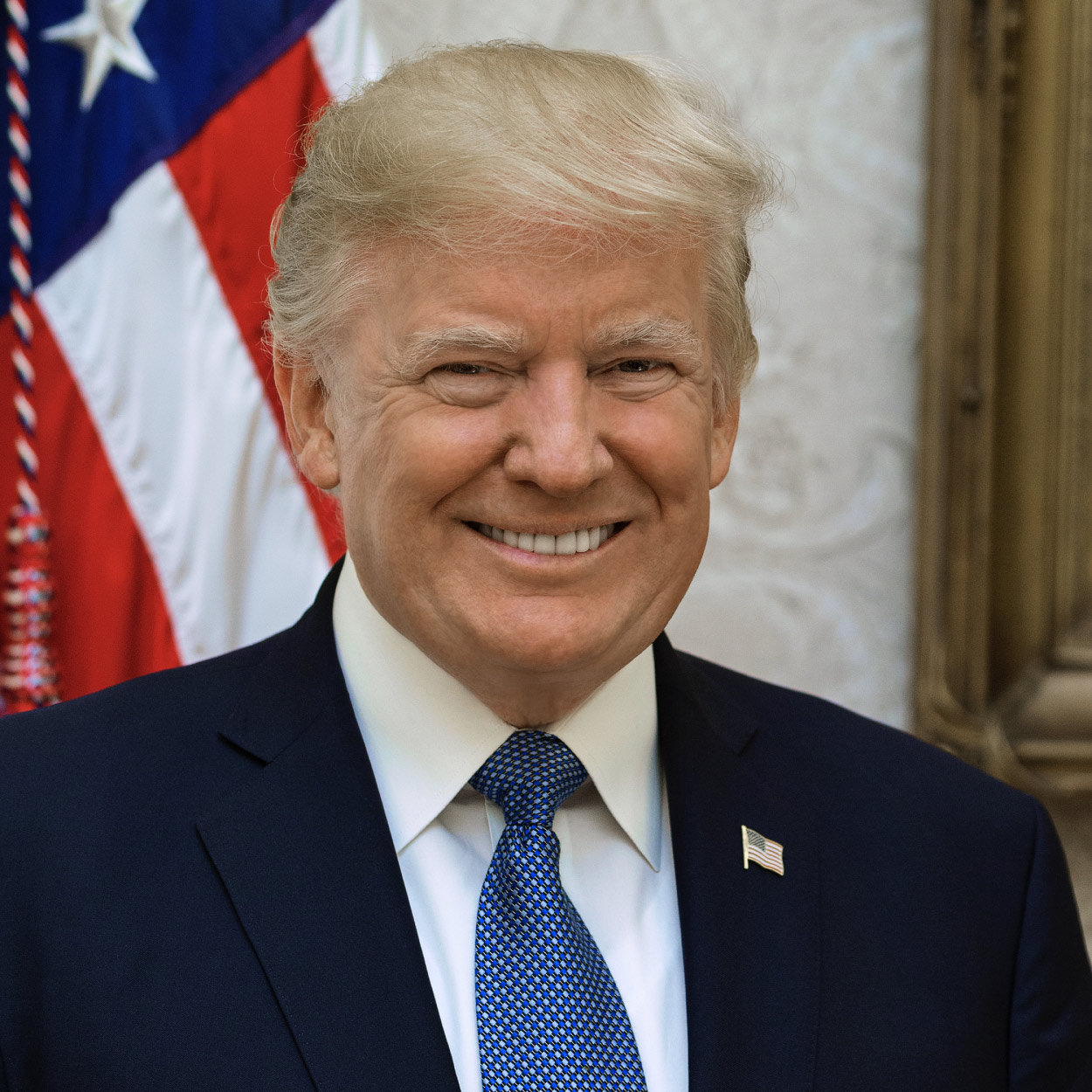
U.S. President Donald Trump: Image Supplied
By Staff Writer: In a dramatic escalation of the long-running standoff with Venezuelan President Nicolás Maduro, U.S. President Donald Trump intensified pressure on Caracas on Saturday, declaring that airspace above and near Venezuela should be treated as closed.
The warning, delivered in a post on Truth Social, marks the latest flare-up in a confrontation that has already featured a heavy U.S. military presence in the Caribbean and a wave of diplomatic and economic blows aimed at Maduro’s regime.
“To all Airlines, Pilots, Drug Dealers, and Human Traffickers,” Trump wrote on his Truth Social network, “please consider THE AIRSPACE ABOVE AND SURROUNDING VENEZUELA TO BE CLOSED IN ITS ENTIRETY.”
The President did not elaborate further on the directive, leaving regional analysts and aviation officials to parse its potential consequences for civilian air travel and regional security.
The terse message comes amid a broader U.S. campaign that Washington says is designed to curb drug trafficking, but which Caracas says is aimed at regime change.
The Trump administration has been piling pressure on Maduro’s government with a pronounced military posture in the Caribbean.
The deployment includes what officials describe as the world’s largest aircraft carrier, underscoring Washington’s willingness to project force into a region that has long been a focal point of U.S.-Venezuela tensions.
U.S. authorities maintain that the aim of the deployment is to disrupt drug trafficking networks operating in the Caribbean Sea and the eastern Pacific Ocean. However, Caracas contends that the true objective is political rather than narcotics-related, accusing Washington of pursuing regime change rather than security concerns.
Since early September, U.S. forces have conducted strikes against more than 20 vessels alleged to be involved in Venezuelan drug smuggling.
Reports indicate that those strikes have resulted in more than 80 fatalities. Critics have questioned the evidence supporting the claim that the targeted vessels were used for drug trafficking or posed a direct threat to the United States.
Officials in Washington defend the campaign as a necessary step to disrupt the supply chains fueling the narcotics trade, though they have yet to publicly disclose the comprehensive evidence tying the vessels to illicit drug shipments or imminent U.S. harm. The confidentiality and sensitivity surrounding such evidence have fueled ongoing debate among regional allies and international observers.
The tension has spilled over into civilian aviation. Last week, U.S. aviation authorities issued a warning urging airlines to exercise caution in Venezuelan airspace amid what they described as a worsening security situation and heightened military activity in or around Venezuela.
The advisory prompted several carriers to suspend flights to Venezuela, a move that drew sharp ire from Caracas. Among the airlines affected were Iberia of Spain, TAP of Portugal, Avianca of Colombia, LATAM Airlines of Chile and Brazil, GOL of Brazil, and Turkish Airlines.
Caracas condemned the suspensions as “joining the actions of state terrorism promoted by the United States government.” The ripple effects of such actions threaten to disrupt regional travel and commerce, further complicating an already tense geopolitical climate.
Amid the high-stakes maneuvering, a New York Times report on Friday added a potentially significant twist: Trump and Maduro had spoken by phone the previous week, and there were discussions about a possible meeting in the United States.
The report surfaced just one day after Trump signaled renewed and imminent efforts to halt Venezuelan drug trafficking by land, a move that would intensify the diplomatic and strategic contest between Washington and Caracas.
Analysts note that any direct U.S.-Venezuela talks could reshape the calculus for both sides, though the current administration in Venezuela has repeatedly framed international pressure as a front for regime change, insisting that legitimate sovereignty and anti-imperialist sentiments guide Caracas’s response.