Subtotal R0,00

Business/ 19 May 2025, 14:51pm/ Lijeng Moruthane

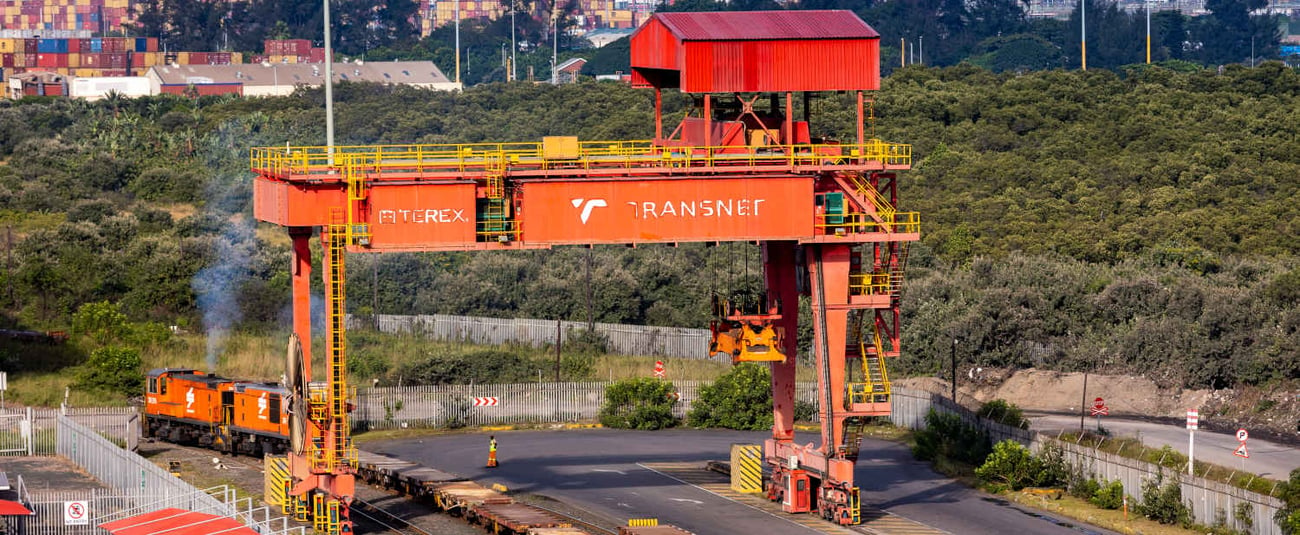
Transnet’s financial future uncertain as Moody’s warns of possible cash shortfall within three months: Image Supplied
By Lijeng Moruthane: South Africa’s government faces renewed pressure to intervene in yet another state-owned enterprise crisis, as Moody’s Ratings has flagged Transnet’s capital structure as “unsustainable” and warned that the logistics utility could run out of money within three months.
The latest alarm bell from the global ratings agency deepens concern over Transnet’s worsening liquidity and mounting debt burden, following years of underperformance and slow operational recovery. Last week, Moody’s placed the freight rail and ports operator under review for a potential downgrade, citing deteriorating financials, the lack of a formal government support package, and minimal progress in turning the business around.
“Today’s rating action reflects our growing concern over Transnet’s unsustainable capital structure, its deteriorating liquidity position, lack of formal agreement so far on additional government support, and the slower-than-planned pace of operational improvements,” said Moody’s.
The government provided Transnet with a R47 billion guarantee facility in December 2023, enabling it to issue government-backed debt. But that facility has now been exhausted and expired on 31 March 2025. Moody’s estimates the company’s remaining R7 billion in undrawn loans and available cash will only cover operating costs, investments, and debt payments for about three more months.
Despite this looming shortfall, no formal commitment of new support has been made by National Treasury — a silence that has sparked market uncertainty and raised questions about whether the state will once again step in to rescue a failing SOE.
Read More
CEO’s R15-Million Budget Bid Raises Eyebrows as SABC Faces Insolvency
“We believe the government remains supportive of Transnet and will provide additional guarantees or other assistance to prevent default,” said Moody’s. “However, the lack of a formal announcement so far creates uncertainty and heightens default risk.”
South Africa’s track record of SOE bailouts continues to weigh heavily on public finances. Over the past nine years, the government has spent R456.5 billion rescuing state companies — a figure expected to rise to R520.6 billion by the end of this financial year. Eskom has absorbed most of this, but other entities like SAA, Denel, SANRAL, and the SABC have also depended on state support.
The cost of these bailouts has increasingly been linked to the country’s failing infrastructure and declining service delivery, as funds are diverted from basic public services to plug holes in parastatal balance sheets.
Moody’s said Transnet’s debt obligations are particularly pressing, with near-monthly amortisation payments scheduled through the 2025/26 financial year, and a R9.9 billion local bond maturing on 19 August 2025.
Even with modest improvements in revenue — which rose by 12% in the year ending March 2024 and a further 6% during the six months ending September 2024 — Moody’s noted that gains were driven primarily by tariff hikes rather than increases in freight volumes. Rail volumes remain below target, hampered by theft, vandalism, and weather-related disruptions.
“As of September 2024, volumes reportedly increased by just 3.2%, implying continued underperformance against a target of 170 million tons for the full year,” the agency said.
Meanwhile, Transnet’s interest burden is unsustainable. Its earnings before interest and tax (EBIT) coverage ratio remains dangerously low at 0.6x, and is projected to stay below 1.0x for at least the next two to three years.
“This means the company is unable to meet regular capex and interest payments from its earnings,” Moody’s stated.
As financial troubles mount, labour unrest is also brewing. The United National Transport Union (Untu), which represents a significant portion of Transnet’s 46,000-strong workforce, has rejected the company’s latest wage offer — a staggered increase of 6% in 2025, 6% in 2026, and 5.5% in 2027. Unless the offer is improved, Untu has threatened to shut down operations from Thursday, potentially bringing the already struggling logistics network to a halt.
With both time and cash running out, the government is faced with a difficult decision: find billions more to rescue Transnet or risk economic fallout from the collapse of a critical component of the country’s trade and supply chain infrastructure.
As Moody’s prepares to finalise its credit rating decision, it says it will closely assess the state’s willingness and ability to step in — again.
“The review will focus on the government’s willingness and ability to provide further support to Transnet, as well as the materiality and sufficiency of such support in bringing the company’s capital structure and liquidity position onto a sustainable footing.”