Subtotal R0,00


Gauteng/ 16 March 2025,15:24pm/ Sipho Gumede
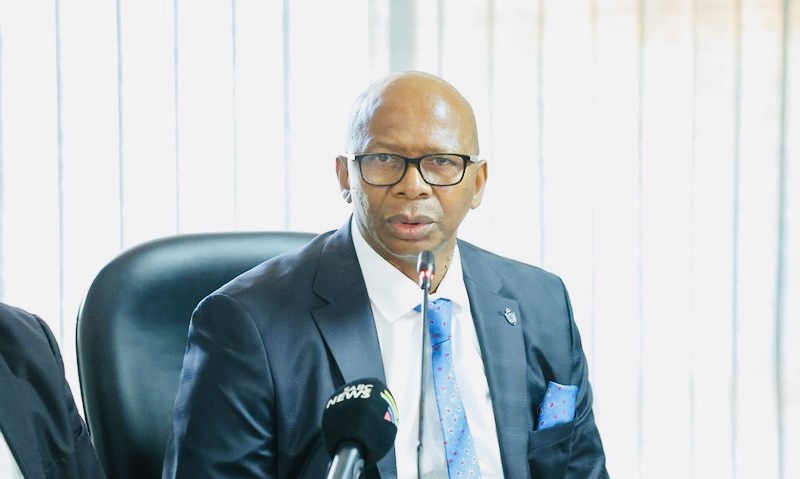
 Deputy Minister of Public Works Sihle Zikalala: Image Supplied
By Sipho Gumede: In a decisive move to tackle the ongoing crisis of hijacked and abandoned buildings in Johannesburg, Deputy Minister of Public Works Sihle Zikalala has called for these properties to be expropriated without compensation. This initiative aims to reclaim dilapidated buildings for public use, specifically to address the city’s pressing housing crisis.
Zikalala’s remarks are part of a coordinated effort to restore these neglected structures for public benefit. He stated, “Those hijacked and abandoned buildings in Joburg can be used for public purposes, such as low-cost housing for South Africans, restoring dignity for our people through the Expropriation Act.”
The Deputy Minister’s call aligns with President Cyril Ramaphosa’s recent insistence that the provincial government utilize the Expropriation Act to confront the issue of abandoned and illegally occupied buildings. These comments were made during Ramaphosa’s two-day visit to Johannesburg’s central business district ahead of the upcoming G20 Summit in November.
Zikalala emphasized the broader vision behind the president’s initiative, saying, “The programme of the president is conducted under the district development concept, which seeks to revitalise local municipalities through co-ordination and enforcement of shared services at a district level.”
Johannesburg’s urban landscape has been marred by dilapidated buildings, many of which have been left vacant after industries moved to more affluent suburbs like Sandton. “Like many cities, Johannesburg is affected by dilapidated buildings, which were left by industries when they moved to nearby suburbs. Some of the buildings that are illegally occupied were previously owned by big companies that have since relocated,” Zikalala explained.
These vacant and hijacked properties pose significant risks to the communities that occupy them. “All of those buildings are causing a higher risk and they are hazardous to communities who are living there,” he warned, noting that overcrowding in these structures further increases safety hazards.
Zikalala asserted that expropriating these properties is essential for addressing Johannesburg’s urban decay. “We strongly believe that these are the buildings that should be the start of expropriation. This gives meaning to the aims and objectives of the Expropriation Act,” he stated.
While the government is committed to tackling illegal occupations, Zikalala acknowledged challenges posed by legal frameworks. “The law says if people have occupied a building for more than 24 hours, and the owner has not applied for eviction, we must provide an alternative. It doesn’t say the government must build for them,” he noted.
The expropriation initiative will require collaboration among various government departments, with a commitment to providing alternative accommodations for South Africans who are relocated. Zikalala also indicated that illegal foreign nationals may face repatriation. “We need a country governed by law, where departments and spheres of government collaborate in the enforcement of that law,” he concluded.