
Subtotal R0,00

News/30 April 2026, 15:12pm/ Linda Mgomezulu
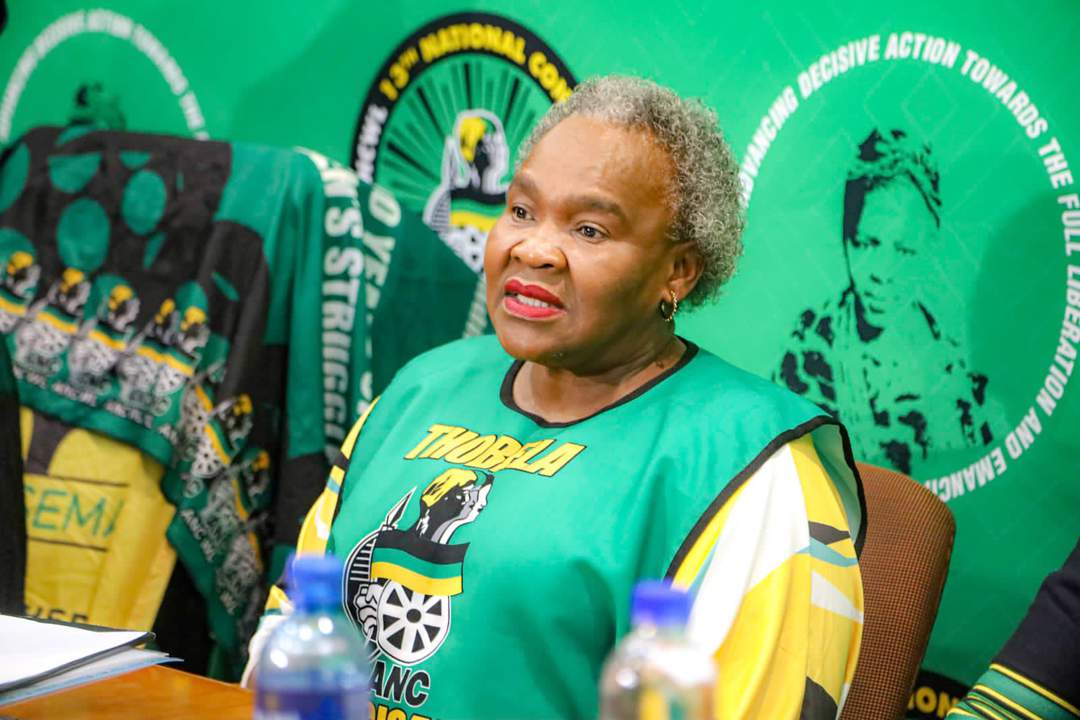
Sisisi Tolashe:Image Supplied
By Linda Mgomezulu: What began as a swirl of allegations around Social Development Minister Sisisi Tolashe is now fast becoming something bigger: a defining test of political accountability in Parliament.
While claims of impropriety continue to dog the minister — including accusations that she redirected a vehicle donation meant for the ANC Women’s League to her family, and may have used public funds to employ a nanny for her grandchildren — the real drama is no longer only about the allegations themselves.
It is now about whether one of government’s most senior ministers will fully answer to lawmakers under mounting pressure.
The Department of Social Development has dismissed the claims as “unsubstantiated” and laid the blame squarely at the feet of its former spokesperson, Lumka Oliphant, who was dismissed last year.
According to the department, the minister is being targeted by a disgruntled ex-official bent on undermining her leadership.
Tolashe’s defenders insist she is not a minister mired in scandal, but one trying to steady a troubled department while resistance builds around her.
Acting communications head Sandy Godlwana said the minister has been hard at work confronting internal problems and restoring order.
“These actions are in the best interest of the public and are essential to ensuring that resources reach the vulnerable communities the department serves. The minister will not be intimidated or distracted by attempts to derail this work.”
That defence, however, is colliding with a louder political question: if the allegations are false, will Tolashe confront them directly and in full before Parliament?
That question has gained urgency after Bridget Masango, chairperson of Parliament’s Social Development Committee, indicated that the minister will be expected to answer questions related to the use of public funds at Wednesday’s meeting.
Her appearance is now being watched less as a routine parliamentary engagement and more as a moment of reckoning.
Oliphant, for her part, has sharpened the stakes. Rejecting the department’s attack on her credibility, she said Tolashe is attempting to divert attention away from deeper maladministration issues in the ministry, including irregular appointments.
“I should be arrested like she should be arrested as we are talking now. Therefore, the minister must not divert the questions she needs to give to the president”.
Her remarks have injected fresh heat into an already explosive confrontation, turning the matter into a broader contest over who gets to define the truth: the minister defending her office, or the former insider challenging her from outside.
In that sense, the controversy has evolved into more than a personal clash. It now speaks to a wider issue in government — whether allegations involving power and public money are dealt with through open scrutiny or political stonewalling.
That tension became even clearer after a leaked audio recording from an ANC MPs’ study group meeting emerged ahead of yesterday’s parliamentary session.
In the recording, Tolashe can reportedly be heard saying she will not answer questions that are not directly related to her ministerial responsibilities.
On one level, that may be a legal and political boundary. On another, it risks feeding the perception that a minister facing serious public claims is narrowing the space for accountability just as demands for transparency intensify.
The department has tried to reclaim the narrative, saying Tolashe will provide “a full and factual account to Parliament on all matters within her responsibility at an appropriate time.”
It has also described the reports around her as part of a “misinformation campaign” driven by “the department’s disgruntled former spokesperson Lumka Oliphant.”







