
Subtotal R0,00

Limpopo/22 January 2026, 07:03am/ Dakalo Mulaudzi
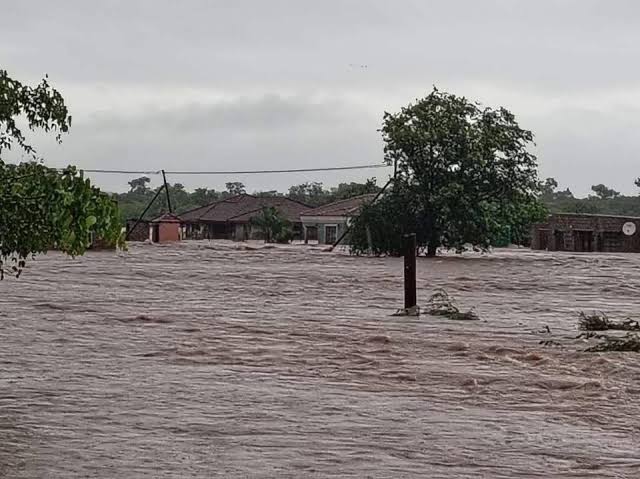
By Dakalo Mulaudzi: After the floodwaters flattened homes in Mbaula, survival did not end with finding a dry floor to sleep on. For many displaced families now sheltering at a local church, the next emergency is quieter but just as brutal: trying to access help when identity documents, grant cards and every scrap of paperwork has been swept away.
That is the pressure point the South African Social Security Agency (Sassa) says it is now targeting — not only keeping people fed, but preventing a bureaucratic blackout that can lock victims out of state support long after the cameras leave.
Sassa CEO Themba Matlou, who visited affected residents at the church where families are being accommodated, said the agency will maintain daily meals while it assesses broader needs and tracks who still falls outside the safety net.
“When they go home, we’ll be able to visit their families and make sure that all the people have applied for social grants and if they don’t have documents, we’ll work with Home Affairs just to make sure that we facilitate the documentation as well. So even beyond them being displaced in this area, we’ll be able to visit their families just to make sure that they have social grants as well,” explains Matlou.
The floods have turned missing documents into an urgent humanitarian issue. Without IDs, residents can struggle to reapply for grants, access health services, open bank accounts, or even prove who they are when seeking work or school placements for children.
Matlou said Sassa will work with the Department of Home Affairs to assist those who lost identity documents — a step meant to stop the disaster from mutating into long-term exclusion.
While the paperwork crisis is being tackled, the shelter operation continues with basic essentials as officials calculate the full scale of damage.
“We found that we have to provide them with the meals, some clothes have been destroyed, so we also got sponges for a period of at least three days as we are assessing the situation. We have almost 15 days to keep monitoring the situation and the provision of humanitarian relief.”
Inside the church, relief is measured in portions and headcounts. Matlou said the site is currently housing dozens of victims, and the focus is on consistency — making sure food arrives, needs are recorded, and the most vulnerable are not overlooked.
“Where we are now we have housed 86 people that are affected and we are cooking for them it’s three meals per day. So hence we are here just to monitor that everyone that is affected is being assisted,” said Matlou.







