Subtotal R0,00

Politics/ 09 April 2025, 10:59am/ Lijeng Moruthane
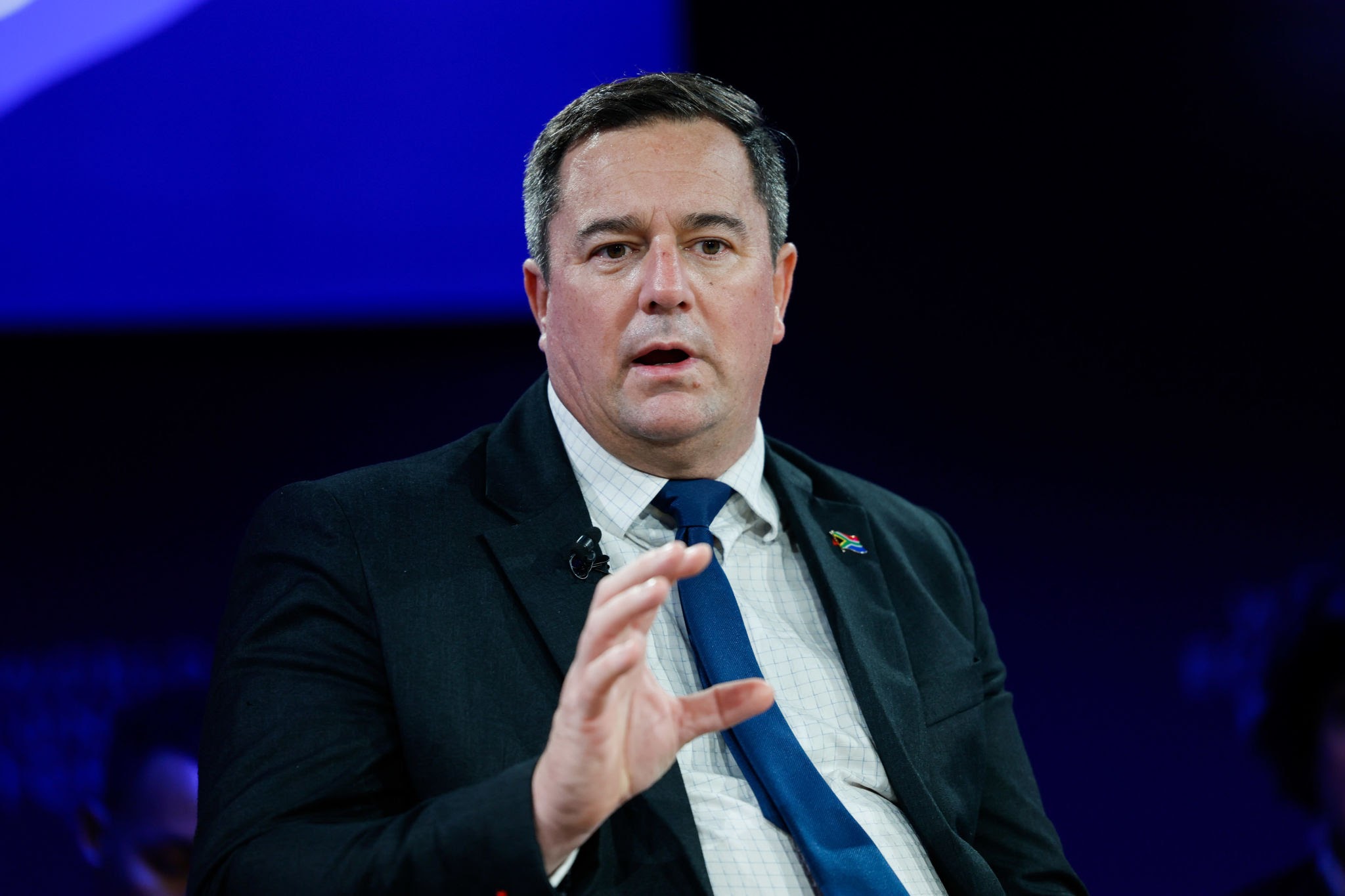
John Steenhuisen dismisses President Trump’s genocide claims and urges South Africa to explore new trade markets amidst looming 30% US tariff: Image Supplied
By Lijeng Moruthane: With the imminent imposition of a 30% tariff on South African exports to the United States, Democratic Alliance leader John Steenhuisen has called on South Africa to explore alternative markets for its products.
The tariffs, announced by President Donald Trump last week, will come into effect on Wednesday, April 9, marking a significant shift in the country’s trade dynamics.
Steenhuisen, who serves as South Africa’s Minister of Agriculture, emphasized that the country must start preparing for a post-African Growth and Opportunity Act (Agoa) world, as the new tariffs threaten to undermine the benefits previously gained under Agoa, particularly in sectors like agriculture and the automobile industry.
“We need to start navigating this new world and focus on rebuilding relationships with the United States while also finding new markets for our manufactured and agricultural goods,” Steenhuisen said in an interview with a local broadcaster.
In response to the tariff hike, Steenhuisen revealed that the government is already taking steps to diversify South Africa’s trade portfolio.
“The process of identifying new markets for South African products is underway, so we can avoid any potential economic shocks if we lose our Agoa benefits come November,” he explained.
The DA leader also stressed the importance of fostering direct communication channels with Washington, in an attempt to mend fences with the US, one of South Africa’s key trading partners.
Trump’s decision to impose the 30% tariff stems from his belief that South Africa has been “ripping off” US taxpayers by running a trade surplus, particularly in exports such as cars, platinum, and citrus. The tariffs are part of Trump’s broader agenda of “reciprocal trade” — a system where trade imbalances are corrected through tariffs. However, Steenhuisen strongly disagrees with the rationale behind the move.
“There is no widespread expropriation of property or genocide happening in South Africa, as Trump suggests. What we’re witnessing is the outcome of years of poor policy decisions and bad legislation, which have positioned South Africa poorly in the eyes of the Trump administration,” Steenhuisen said, distancing the reality on the ground from the president’s claims.
Trump’s stance on South Africa, particularly regarding its tariffs, has been criticized for lacking accuracy. His accusation that South Africa imposes 60% tariffs on US goods is contradicted by the 2025 National Trade Estimate Report on Foreign Trade Barriers, released by his own administration.
The report indicates that South Africa’s average tariff rate is just 7.6%, with higher tariffs applied only to niche agricultural products like sugar and dairy, and not to general US exports.
Despite this contradiction, Trump’s administration used a “reciprocal trade formula” to calculate the 30% tariff, claiming that South Africa’s trade surplus with the US — especially in cars, platinum, and citrus — justified the punitive tariff. This formula views trade imbalances as exploitation, a perspective that Steenhuisen argues is not grounded in the reality of South African trade practices.
Looking forward, Steenhuisen maintains that while the current political climate with the US presents challenges, South Africa must focus on securing alternative trade avenues to maintain its economic stability. By broadening its market reach, the country can mitigate the impact of the new tariffs and reduce dependence on any single trading partner.
“We can’t control who sits in the White House, but we can control how we navigate the next few years. South Africa must look beyond the US and expand its trade networks with other countries, ensuring that our economy remains resilient in the face of global trade shifts,” Steenhuisen concluded.