Subtotal R0,00

Free State/ 19 April 2025,15:22pm/Sipho Gumede
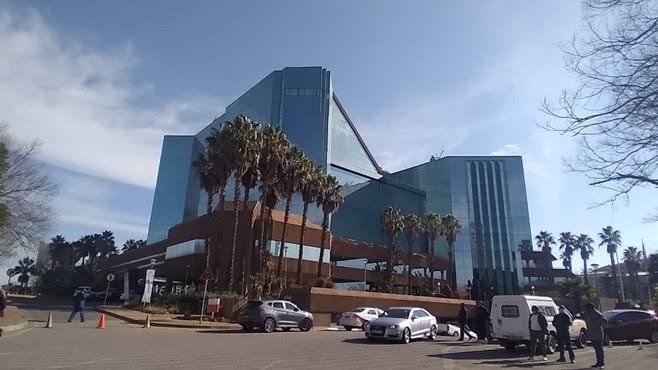
 Mangaung Metro Municipality offices: Image Supplied
By Sipho Gumede: Once celebrated as the “City of Roses,” Bloemfontein, the capital of the Free State, is now a shadow of its former self. The Mangaung Metro Municipality, led by the African National Congress (ANC), faces an alarming crisis in service delivery that leaves residents feeling abandoned and disillusioned. With potholes dominating the landscape and basic sanitation needs unmet, the community’s frustration is palpable as they grapple with the harsh realities of living in a city that seems to have forgotten them.
As you drive into Bloemfontein, the first thing that greets you is not the beauty of blooming roses but a jarring landscape of potholes. Raymond Mhlaba Road, once a smooth entry point into the city, is now a treacherous path, riddled with craters that threaten vehicles and passengers alike.
Mandela Drive, a street that should symbolize vibrancy and life, has become a gauntlet, where dodging potholes has become part of the daily commute. Zastron Street, a major artery, presents a similar plight, with drivers navigating a perilous maze of asphalt damage.
Residents are not just frustrated; they are furious. The roads are a constant reminder of neglect, with many fearing for their safety every time they step into a vehicle. The potholes are not mere inconveniences; they represent a deeper issue of neglect and mismanagement by the municipality.
But it’s not just the roads that are crumbling. The sanitation crisis in Botshabelo, the second-largest township in South Africa, is a heartbreaking testament to the failure of service delivery. Despite living in a democratic society for over three decades, many residents are still reliant on bucket toilets. This is not just a sanitation issue; it’s a violation of human dignity.
Imagine waking up every day knowing that your family has to use a bucket toilet in 2025. It is a grim reality for many, and the emotional toll is immense. Residents express feelings of shame and frustration, questioning how they can be expected to thrive in a community where such basic needs are neglected.
To understand the depth of this crisis, we spoke to residents who are living these challenges daily. Their stories are powerful, revealing a community grappling with despair and disappointment.
Thabang Pitso, a local business owner, shared, “Driving around the city is an embarrassment. Clients notice the potholes, and it reflects poorly on our city. We used to be proud of Bloemfontein, but now it feels like we’re living in a war zone.”
Peter Van Vureen, a retired civil servant, lamented, “I’ve watched this city decline for years. The roads are dangerous, and it feels like the leaders don’t care. We deserve better than this neglect.”
In Botshabelo,Makamohelo Mofokeng poignantly stated, “Using a bucket toilet is degrading. We fought for freedom and dignity, but we’re still living like this. It’s heartbreaking to see my children grow up in such conditions.”
Johan Joseph, a young professional, expressed his disillusionment: “How can we trust the ANC to lead us when they fail to deliver on the basics? The potholes are a symbol of broken promises. We need change.”
Community activist Lerato Motaung captured the sentiment of many when she said, “This is not just about potholes or toilets; it’s about our dignity. We are tired of waiting for change. Our voices matter, and they need to be heard.”