
Subtotal R0,00

News/13 November 2026, 08:12am/GoodWill Mathebula

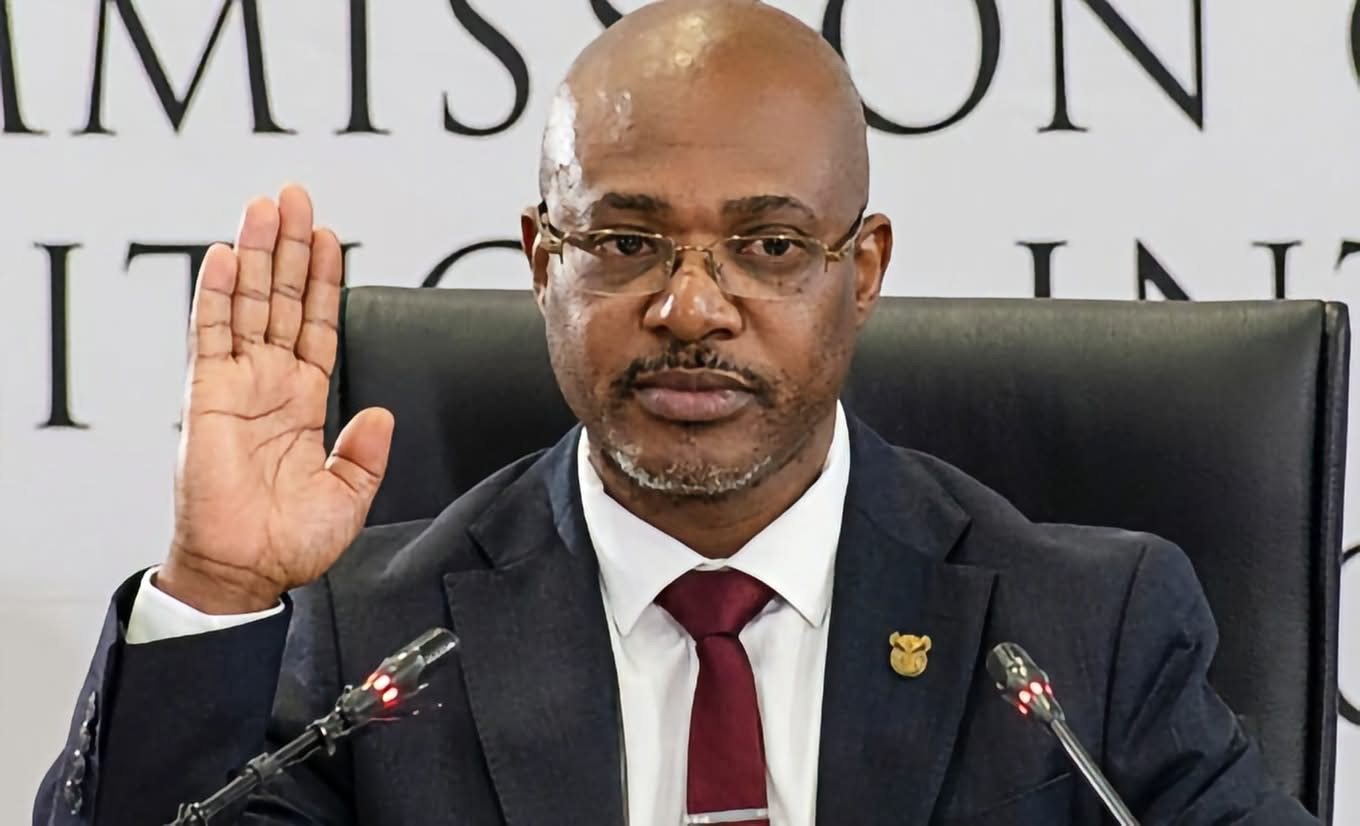
Dr Ntandazo Sifolo: Image Supplied
By GoodWill Mathebula: South Africa’s intelligence services faced a moment of crisis in February 2025, when a fractured Crime Intelligence operation and fears of criminal infiltration prompted an intervention by the National Intelligence Coordinating Committee (NICOC), the Madlanga Commission has heard.
Acting NICOC head Dr Ntandazo Sifolo told the commission on Thursday that the consequences of failing to act could have been severe, with the country potentially compromised by networks operating within law enforcement.
His assessment came in response to a question from co-commissioner Advocate Sandile Khumalo about what might have happened had NICOC not intervened.
“The country was gone, and in fact the head of the crime intelligence had surrendered,” he said.
Sifolo explained that a deadline had been set for the submission of a project that allegedly mapped several layers of infiltration. He suggested that the information pointed to an urgent need for action.
“… So there was a clear picture that if we don’t do anything now, the country is gone”.
The testimony placed NICOC’s decision to take control of the Crime Intelligence operation at the centre of efforts to address what Sifolo described as mounting threats to national security.
According to Sifolo, concerns had grown over fragmented intelligence reporting and the alleged influence of criminal syndicates within law enforcement. NICOC consequently moved to coordinate work involving the South African Police Service’s Crime Intelligence division, Defence Intelligence and the State Security Agency.
The threats under scrutiny ranged from kidnappings and targeted killings to drug trafficking, extortion and illegal firearms operations.
Sifolo also pointed to the leaking of classified Inspector-General of Intelligence reports and the arrest of senior police officials by fellow officers as signs of a criminal justice system under severe strain.
He told the commission that officers who remained committed to enforcing the law had increasingly limited options and saw a need to mobilise public support to expose the alleged infiltration.
That concern, he said, was linked to KwaZulu-Natal police commissioner General Nhlanhla Mkhwanazi’s public briefing on July 6, which brought allegations of criminal networks operating within the criminal justice system into the national spotlight.
Sifolo further testified that President Cyril Ramaphosa had been alerted to potential national security threats six days before Mkhwanazi’s briefing.







