Subtotal R0,00

Education/ 14 May 2025, 11:40am/ Staff Writer
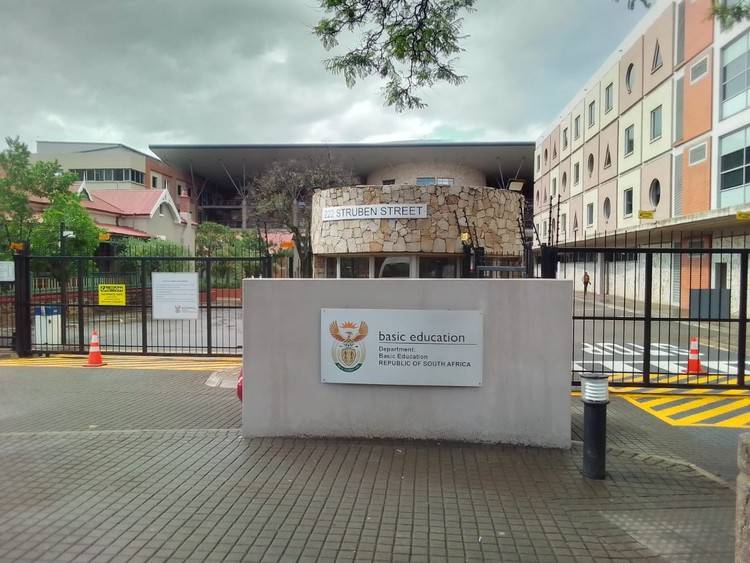
Teachers across South Africa are grappling with overcrowded classrooms, limited resources, and unsafe working environments—conditions the Anton Lubowski Educational Trust says are pushing the education system to a breaking point: Image Supplied
By Staff Writer: South African teachers are facing worsening working conditions that threaten the future of education, the Anton Lubowski Educational Trust has warned. The Trust says overcrowded classrooms, limited resources, and growing safety concerns are pushing educators to the brink of burnout.
According to the Trust, many teachers are operating in unsafe environments marked by crime, instability, and a lack of institutional support. These conditions, it says, are not only affecting educators’ mental health but also compromising learners’ ability to thrive.
“Educators are doing their best under very difficult circumstances,” said Nadia Lubowski, Director of the Trust. “But they are stretched too thin, and many are simply burning out. It’s no longer sustainable.”
The Trust also flagged the poor state of early childhood development (ECD), describing it as one of the most critical areas where the education system is falling behind. Inadequate support during a child’s formative years, Lubowski warned, could have ripple effects throughout their academic journey.
Read More:
Hundreds of South African Schools Do Not Offer Mathematics
Despite calls for long-term policy reform, Lubowski believes there’s a need for immediate, practical action from the public. She appealed for support in the form of book donations, school feeding programmes, and other forms of community involvement.
“In some ways, we have so much catching up to do,” she said. “There’s an alarming disparity between the education received in affluent communities and that in rural or underserved areas. That gap is widening, and it’s our children who are paying the price.”