Subtotal R0,00

Crime/ 10 October 2025, 16:15pm /GoodWill Mathebula
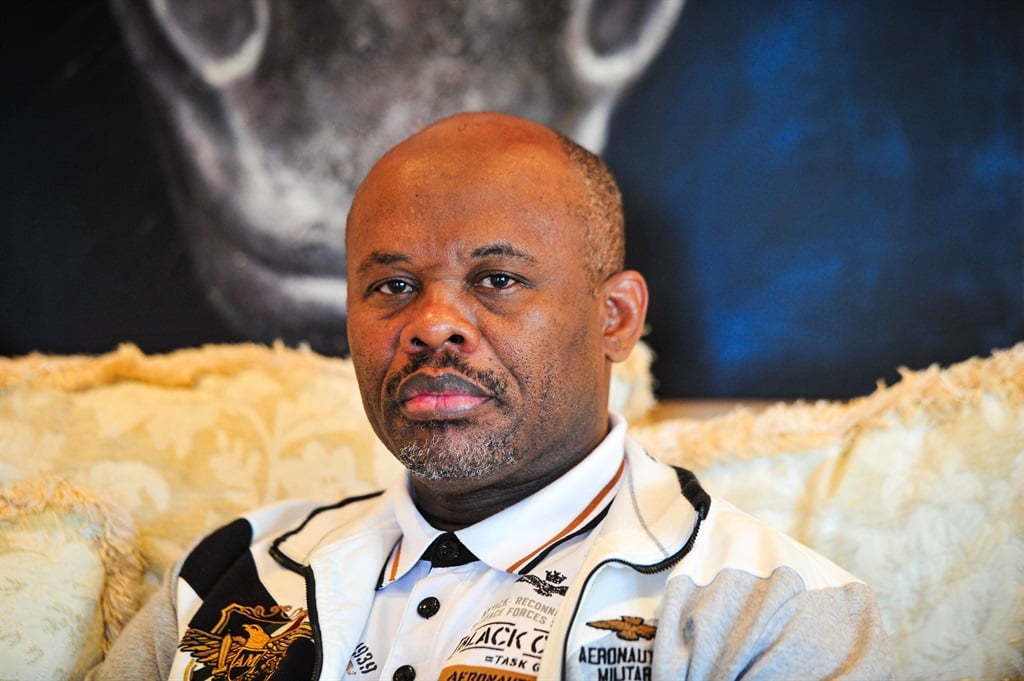
Lt-Gen Shadrack Sibiya: Image Supplied
By GoodWill Mathebula: In a day that felt more like a tense chapter from a crime thriller than a routine policing procedure, Lt-Gen Shadrack Sibiya, the suspended Deputy National Police Commissioner for crime detection, stood in the glare of cameras and questions, painting a portrait of betrayal, wariness, and a manhunt inside the corridors of power.
The scene outside his Centurion mansion unfolded as a high-stakes drama: a lengthy search and seizure operation carried out by the task force and the National Intervention Unit (NIU) on a Thursday that some would call a turning point in the saga of South Africa’s policing saga.
“I feel like Joseph, whose brothers threw him in the pit,” Sibiya said, the comparison sealing the moment with a biblical echo that framed his personal ordeal within a larger narrative of treachery and peril.
The words landed with a hush over the gathered observers, as if the weight of ancient family feuds could illuminate the grime and grit of contemporary law enforcement turmoil.
The raid, a culmination of a long period of scrutiny, followed Kwa-Zulu Natal Police Commissioner Lt Gen Nhlanhla Mkhwanazi’s public briefing that cast shadows on Sibiya’s integrity and connection to alleged police criminality.
The air was thick with anticipation as officers moved with measured precision, a choreography of caution and consequence, while Sibiya, himself under suspension, faced questions about loyalty, legitimacy, and the murky boundaries between duty and danger.
Outside the house, Sibiya spoke of what he described as a narrow objective: the authorities only sought his devices. He handed over a laptop and four mobile phones, insisting that the laptop contained nothing incriminating, insisting it was a tool for communication and research rather than a ledger of misdeeds.
“I know they want to push me out; I will never resign. They must fire me,” he declared, the stubborn resilience of a man who insists on fighting through the fog of accusation.
The narrative shifted as Sibiya admitted his absence at the time of the raid, noting that he was summoned later and not present when the operation began. He painted a picture of a family affected by the storm, insisting that despite the trauma, the process was conducted with respect.
Documents awaited scrutiny, he said, and he prepared to present them to Parliament’s Ad Hoc committee investigating the allegations raised by Mkhwanazi. A charged moment loomed: his appearance before the committee on Monday would become another stage in a drama that has already drawn national attention.
“I’m under siege; my life is in danger and that of my family,” Sibiya stated, a stark refrain that underscored the personal peril wrapped around a public office. The raid, in effect, was cast not merely as a legal intervention but as a symbolic strike within a broader contest over accountability, loyalty, and the direction of South Africa’s policing future.
The public narrative, meanwhile, was synchronized with official statements that attempted to quiet the loudest rumors. National police spokesperson Brigadier Athlenda Mathe asserted that the police were not aware of any arrest connected to Sibiya. She framed the moment within ongoing investigations, invoking the Madlanga Commission and the Ad Hoc committee as forums where the truth would be weighed and adjudicated.
“As SAPS, we are not aware of any person that has been arrested thus far. And that includes Lieutenant General Shadrack Sibiya,” Mathe added, offering a citation of procedural boundaries that underscored the difference between inquiry and indictment in a system under intense scrutiny.
Beneath the surface of this public drama, personal friction brewed into a larger conflict. There was longstanding tension between Sibiya and Mkhwanazi, a feud that had already spilled into the public domain.
In a July speech that would echo through the corridors of power, Mkhwanazi described a divide so stark that peace between a police officer and a criminal seemed an impossible dream, a provocative statement that framed behavior and loyalties in stark terms.
“There can never be peace between a police officer and a criminal,” he asserted, a line that would be dissected in editorials and debates across the country.
Another thread wove through the discourse around the case: the troubling suggestion, voiced by Masemola during testimony before the Madlanga commission, that a notorious figure—tenderpreneur and alleged murder-accused Vusimuzi “Cat” Matlala—may have left traces of association with criminal cartels on a phone linked to Sibiya.