Subtotal R0,00

Economy/ 11 February 2025, 16:20pm/ Staff Writer
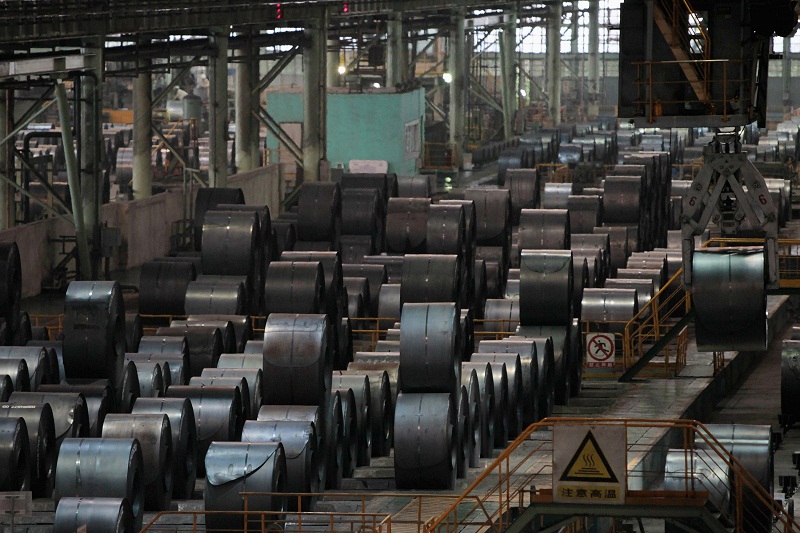
Steel and aluminium exports from South Africa face new US tariffs: Image Supplied
By Staff Writer: South African steel and aluminium companies are bracing for significant challenges as a result of new trade measures announced by US President Donald Trump.
The US is set to impose a 25% import tax on all steel and a 10% tax on aluminium starting 4 March, a move that is expected to create a ripple effect across global markets, including South Africa.
ArcelorMittal South Africa, a key player in the local steel industry, is already feeling the strain. The company recently revealed plans to place its Newcastle and Vereeniging long steel operations in care and maintenance due to reduced demand.
Now, the looming US tariffs could exacerbate this issue by increasing competition in the global steel market, according to Patrick Mathidi, Head of Multi-Asset Strategies at Aluwani Capital.
Mathidi explained that the new tariffs will make it more expensive for US businesses to import steel, forcing them to seek alternatives in other markets.
This influx of steel and aluminium into other economies, including South Africa, could lead to an oversupply, further intensifying competition for local companies like ArcelorMittal.
“These measures mean that steel, which is struggling to get into the US because it’s becoming expensive, will have to find a home elsewhere. Unfortunately, this means more competition for ArcelorMittal,” Mathidi said.
The Steel and Engineering Industries Federation (Seifsa) also raised concerns about the broader impact of these tariffs on South African exporters.
Seifsa President Elias Mongalo pointed out that businesses importing steel from South Africa will face a 25% tariff on steel and 10% on aluminium products, driving up costs.
This not only threatens the profitability of local companies but also risks inflating prices in global markets, including the US.
“Anyone who imports steel from South Africa, they are then up for paying. Over and above transport and others, they’re then paying the 25% and 10% respectively for aluminium products, which then means it then becomes more costly,” Mongalo said. “But by doing that, it also then increases the inflation in the US market.”