Subtotal R0,00

National News/ 30 July 2024, 14:05pm/ Anele Ndlovu
By Anele Ndlovu: The South African Poultry Association (SAPA) has raised concerns over the financial strain faced by consumers who have been paying value-added tax (VAT) on chicken portions, urging the government to include chicken in the list of tax-free essential food items. This plea comes in response to President Cyril Ramaphosa’s announcement of plans to expand the basket of VAT-exempt food items, aimed at alleviating the financial pressure on low-income households.
President Ramaphosa’s commitment to widening the scope of tax-free essential foods was met with approval by SAPA, reflecting a step in the right direction towards reducing the cost of living for struggling families. Despite this positive move, the specifics of which food items will be added to the exempt list were not disclosed during the announcement.
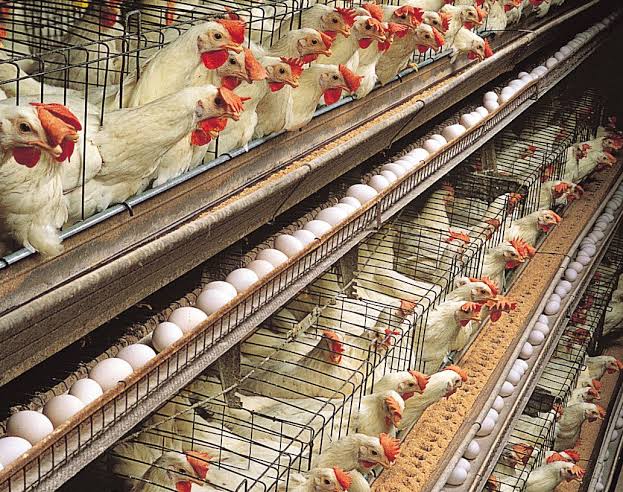
Currently, the basket of essential food items eligible for VAT exemption includes staples such as milk, bread, bananas, maize meal, and others. SAPA emphasizes the necessity of including chicken products in this basket, citing chicken as the most affordable and widely consumed meat source in South Africa, accounting for a significant portion of the country’s meat consumption.
Highlighting the importance of chicken as a key protein source for millions of households, SAPA emphasizes the role of chicken producers in maintaining affordable pricing amidst economic challenges. Removing the 15% VAT on chicken portions, particularly those commonly consumed by low-income households, would offer immediate relief and ensure continued affordability of essential food items.
As food prices continue to rise, SAPA stresses the growing need for an expanded list of VAT-exempt food items to ease the financial burden on consumers. They point out that while food inflation may be declining, prices remain high, prompting more consumers to opt for VAT-free options like canned pilchards. The association urges a review of the basket of zero-rated food items, last updated in 2018 following a VAT rate increase, to reflect the current economic realities faced by South Africa’s most vulnerable individuals.
In light of these challenges, calls are mounting for the inclusion of tax-free chicken to support those struggling to afford necessities in a changing economic landscape.