Subtotal R0,00

National News/ 13 September 2024, 16:48pm/ Lijeng Moruthane
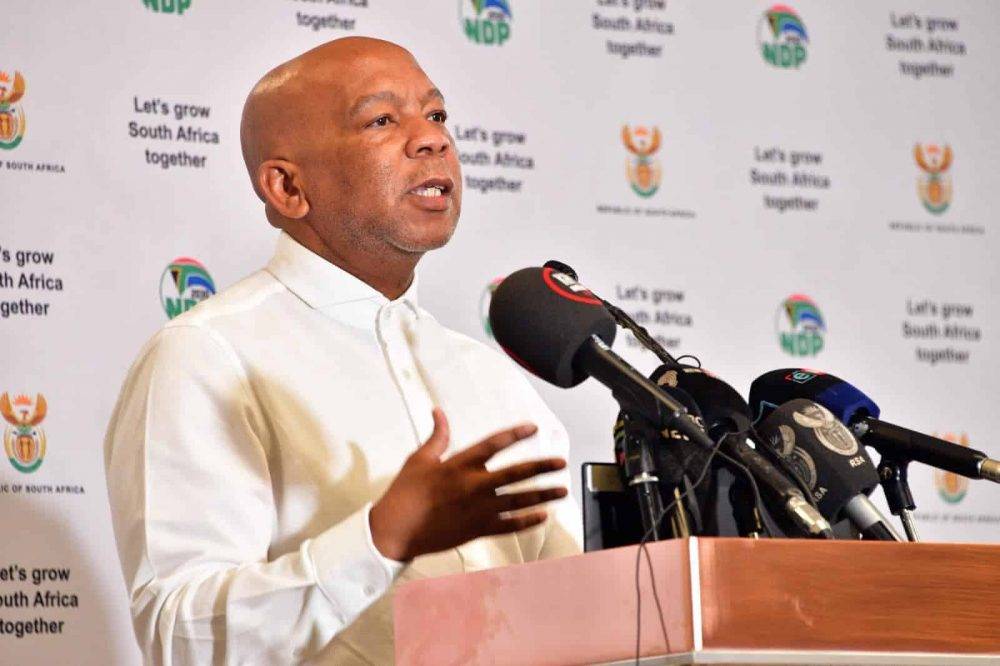
Electricity Minister Kgosientsho Ramokgopa: Image Supplied
By Lijeng Moruthane: On Thursday, South Africa’s Electricity and Energy Minister Kgosientsho Ramokgopa affirmed that the country will base its development of nuclear power on scientific principles, as part of its transition to cleaner energy sources like wind, solar, and hydropower.
Despite opposition from “emotionally charged lobbyists”—primarily environmentalists—who raise concerns about the risks of nuclear power and radioactive waste without considering the scientific evidence, Ramokgopa remains committed to this approach.
Speaking at a nuclear summit in Pretoria, Ramokgopa reiterated that the plan to introduce 2,500 megawatts of new nuclear energy, as outlined in the Integrated Resource Plan 2019 (IRP 2019), is still a key element of South Africa’s future energy strategy.
He explained that the government’s recent withdrawal of the January 2024 ministerial determination for nuclear power procurement was intended to ensure a “transparent,” “clean,” and “democratic” public participation process.
This decision follows challenges to the fairness and legality of the determination by environmental groups such as the Southern African Faith Communities Environment Institute, Earth Life Africa, and the Democratic Alliance in the high court.
Ramokgopa pointed out that while renewable energy is increasingly popular, there is insufficient scientific discussion about nuclear power.
“Where are the nuclear people? Because we’ve got the sterling record of 76 years of contribution to the science and technology,” he said.
He criticized those who undermine nuclear technology without scientific backing, suggesting that myths about the technology are perpetuated by those who lack scientific understanding.
The minister also noted that the reputation of nuclear technology has been tarnished by political issues such as allegations of corruption and mismanagement.
“Politicians and policymakers have soiled the reputation of the technology,” Ramokgopa stated, emphasizing the need for scientific evidence to counter these misconceptions.
Ramokgopa announced that the government would reveal its next steps regarding nuclear energy plans “in the next week or so,” acknowledging that changes in factors like Eskom’s performance could affect the 2,500 megawatt build program.
He stressed the importance of a credible, democratic process to prevent legal disputes that might blur the lines between science and policy.
The summit, which gathered leading scientists, aimed to make nuclear energy “fashionable, funky, youthful, and female,” with Ramokgopa asserting that nuclear power is essential for achieving energy sovereignty.
He highlighted that nuclear energy, particularly through small modular reactors, offers competitive capital costs and potential for export.
South African Nuclear Energy Corporation (Necsa) CEO Loyiso Tyabshe reported that the R2.6 billion revenue business is thriving, with 60% of its revenue coming from international sales.
Necsa is pioneering the use of low-enriched uranium and occupies 20% of the global market for isotopes. Tyabshe emphasized the potential for expanding employment if nuclear energy generation increases.
Alan Carolissen, CEO of the National Radioactive Waste Disposal Institute, called for a clearer understanding of radioactive waste and nuclear energy.
He argued that the debate often focuses on nuclear power rather than the critical role of radioisotopes in medical treatments, asserting that “nuclear technology is not corrupt. People are corrupt.”