Subtotal R0,00

Politics/ 16 October 2025, 07:12am /Mathews Wilson
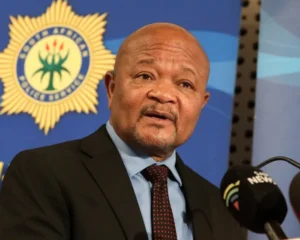
Suspended Police Minister Senzo Mchunu:Image Supplied
By Mathews Wilson : Embattled Police Minister Senzo Mchunu is set to make his first appearance before Parliament on Thursday to answer a swarm of allegations concerning undue political interference in police operations. The three-day testimony before Parliament’s ad hoc committee probing police corruption promises to be a defining moment in a drama that has rattled the country’s law-and-order institutions.
Mchunu will appear before Parliament for a formal questioning session that researchers and pundits say could reshape public trust in the police leadership. The minister is expected to address claims that he has links to certain crime syndicate members who allegedly attempted to influence the disbanding of the political killings task team (PKTT). The committee’s work, already fraught with tension, gains fresh momentum as the minister steps into the parliamentary chamber.
The forthcoming appearance follows two days of testimony by suspended Deputy Commissioner Shadrack Sibiya, who faced a battery of tough questions over his involvement in the PKTT’s alleged disbandment and the controversial removal of 121 case dockets from KwaZulu-Natal to Pretoria. The hearings have intensified scrutiny on the chain of command and the processes that guide decisions within the policing apparatus.
The inquiry is a sequel to explosive revelations made by KwaZulu-Natal Police Commissioner Lieutenant-General Nhlanhla Mkhwanazi during a July 6 press conference. Mkhwanazi laid bare how criminal syndicates are alleged to have infiltrated the police and the broader criminal justice system. These disclosures followed Mchunu’s directive on December 31, 2024, ordering the National Commissioner General Fannie Masemola to immediately disband the PKTT, which Mchunu deemed no longer necessary.
ALSO READ:
Mchunu now faces a mammoth task: to dispel testimony suggesting he lacked the authority to disband the PKTT and to demonstrate that his actions were within the powers of the position he holds. Last week, Mkhwanazi testified that the PKTT was formed after police management, acting on guidance from the Inter-Ministerial Committee (IMC), developed a plan to investigate political killings. He asserted that the PKTT reported to Masemola, who in turn answered to the IMC.
Both Mkhwanazi and Masemola asserted that Mchunu did not have the authority to disband the PKTT and that he had overreached his powers. Mkhwanazi further stated that he did not believe Mchunu authored the December 31 directive and noted Parliament’s role in establishing what led to Mchunu signing the letter. The implications of these claims have reverberated through the inquiry and into public perception of leadership accountability.
Complicating the narrative, search-and-seizure warrants were executed last week at the residence of suspended Deputy Commissioner Shadrack Sibiya and at the flat of Mchunu’s chief of staff, Cedrick Nkabinde. Police guards blocked entry at Mchunu’s residence, prompting lawyers for the minister to write to the Ad Hoc Committee. The investigators sought electronic devices, including laptops and cellphones, in what has become a tense subplot of the broader inquiry.
Mchunu’s legal team contended that the police action was unacceptable and potentially compromised the investigation being conducted by the Ad Hoc Committee. The letter also highlighted concerns about the fate of the seized devices, arguing that the minister and his staff had no clarity about how the seized materials would be handled during the investigation.
Within the discourse around the PKTT, critics argue that the minister’s actions—whether perceived as overreach or as protective measures—pose a direct challenge to the independence and integrity of the investigation.
The ad hoc committee’s proceedings have already featured testimony that alleges “intimidation and a fishing expedition designed to support Mkhwanazi’s allegations.” The ministers’ supporters, meanwhile, insist the decisions were legitimate exercises of executive authority in a bid to root out corruption and political interference.