Subtotal R0,00


News/ 27 November 2024, 09:30am/ Lijeng Moruthane

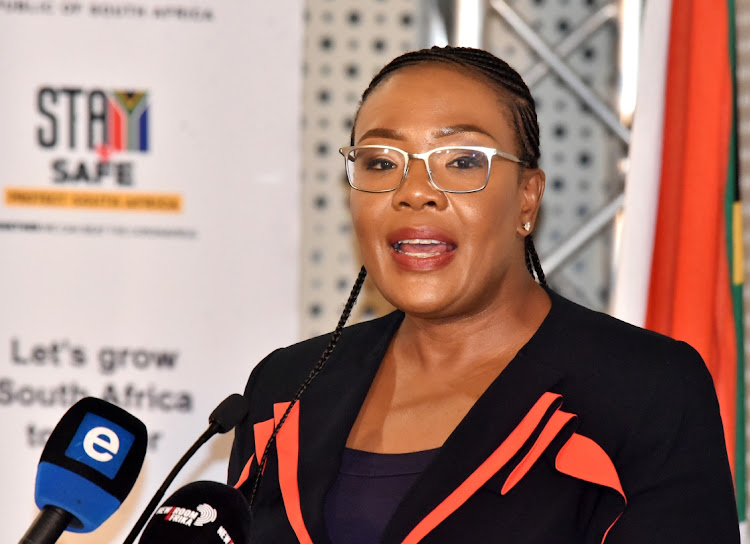
Despite progress in gender equality, significant disparities in education, employment, and leadership persist, as highlighted in a recent Stats SA report: Image Supplied
By Lijeng Moruthane: Despite South Africa’s legislative and policy strides toward gender equality, significant gender gaps persist, as highlighted in a recent report by Statistics South Africa (Stats SA).
These disparities, deeply rooted in historical inequalities, continue to affect women disproportionately in key areas such as education, employment, resource ownership, and governance.
One of the most alarming indicators of inequality is in education, particularly among teenage girls. In 2017, approximately 17% of girls aged 12 to 19 who were not attending school reported having fallen pregnant in the previous year.
KwaZulu-Natal recorded the highest proportion, followed by the Eastern Cape and Western Cape. Teenage pregnancy often derails educational progress, perpetuating cycles of poverty and limiting opportunities for young women.
In the labor market, gender gaps remain pronounced. While legislative frameworks like the Employment Equity Act of 1998 have improved women’s access to formal employment, women still face barriers to equal participation.
Women are often underrepresented in high-paying roles and overrepresented in vulnerable, low-paying jobs. This imbalance not only hampers individual economic empowerment but also limits broader economic growth.
Resource equity also lags, with women owning and controlling fewer assets compared to men. This disparity is said to undermine women’s financial independence and leaves them more vulnerable to economic shocks.
“Equal access to resources, from land to capital, is a cornerstone of true empowerment, yet progress in this area has been slow.”
In governance, the report reveals that women have made strides, particularly in the public sector, where the representation of women in senior management increased from 13% in 1998 to 42% in 2017. However, decision-making spaces in both public and private sectors still lack gender parity.
“Ensuring more women hold leadership roles is essential not only for empowerment but also to bring diverse perspectives into policy and program development.”
Stats SA’s report emphasizes that addressing these persistent gaps requires a multi-faceted approach. While policies and legislation have laid a strong foundation, societal attitudes and behaviors must shift to achieve true equality. Gender stereotypes and entrenched cultural norms continue to perpetuate discrimination and unequal treatment.
The report also underscores the importance of data in driving change. By measuring disparities through household surveys, censuses, and other research, policymakers can better understand the scope of the problem and design targeted interventions. Stats SA calls for continued efforts to monitor and address gender gaps in all spheres of life, stressing that equality is not just a legal requirement but a societal necessity.
“South Africa has made significant progress, but persistent gender gaps show that we are not there yet,” the report concludes. “Achieving true equality will require not only strong policies but also a commitment to changing mindsets and ensuring that no one is left behind.”