Subtotal R0,00

National News/ 11 March 2025, 10:18am/ Lijeng Moruthane
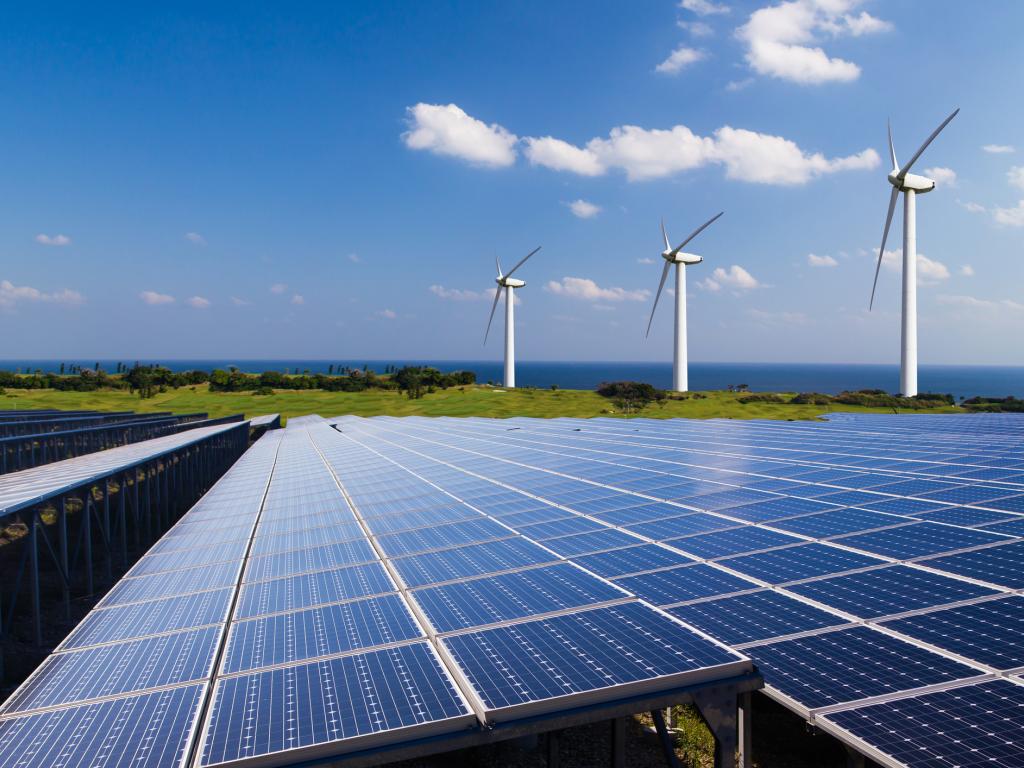
Wind turbines and solar farms in South Africa, facing uncertainty after the US withdraws crucial green energy funding: Image Supplied
By Lijeng Moruthane: South Africa’s renewable energy ambitions have suffered a significant blow following former US President Donald Trump’s decision to withdraw from the Just Energy Transition Partnership (JETP), leaving a $1.56 billion (R28 billion) financing gap.
The JETP, initially backed by the US under Joe Biden’s presidency, was meant to support South Africa’s transition to cleaner energy sources. The pledged funds included $56 million in grants and $1 billion in potential commercial investments, but no concessional loans. With the US now pulling out, experts warn that the country’s green transition could face serious delays.
Political economist Dr Sam Koma described the US withdrawal as a major obstacle to South Africa’s climate goals.
“This move puts a brake on the government’s drive to facilitate its renewable energy programme,” Koma said. “It is a major setback to South Africa’s aspirations of ensuring a low-carbon economy and cleaner energy sources.”
He also noted that the decision could have ripple effects across Africa, particularly for the 24 countries engaged in the COP26 discussions in Glasgow in 2021.
“The implications extend beyond South Africa. This decision makes it harder for African nations to secure the necessary capital for transitioning to green energy,” Koma added.
Political analyst Daniel Silke cautioned that Trump’s move could strengthen the position of those in South Africa who advocate for coal, particularly Minister of Mineral and Petroleum Resources Gwede Mantashe.
“South Africa’s vast coal reserves will embolden politicians who are reluctant to phase out fossil fuels,” Silke said. “The withdrawal of funding for renewable energy could reinforce the idea that coal remains a necessary part of the country’s energy mix.”
He warned that without sufficient investment in clean energy, South Africa risks falling behind in global climate commitments.
“The problem for South Africa is that we desperately need to move away from coal towards green energy. This kind of funding setback could slow that transition significantly,” he said.
While the loss of US support is a major challenge, North-West University Business School professor Raymond Parsons said other international partners remain committed to assisting South Africa.
“Fortunately, the UK, France, and the European Union are still supportive of JETPs,” Parsons said. “However, South Africa will need to explore alternative funding sources to fill this gap.”
He stressed the importance of finding new financial solutions to sustain the country’s climate change programme.
“This funding either needs to be replaced or South Africa’s energy transition plans will have to be adjusted,” Parsons added.
Cosatu national spokesperson Matthew Parks echoed this sentiment, urging South Africa to rely more on domestic financial institutions rather than foreign donors.
“It’s crucial that we start funding our own activities. Relying on foreign loans, especially in foreign currencies, can be costly and unsustainable,” Parks said.