Subtotal R0,00

News/ 26 November 2025, 07:33am/ Ayanda Shezi

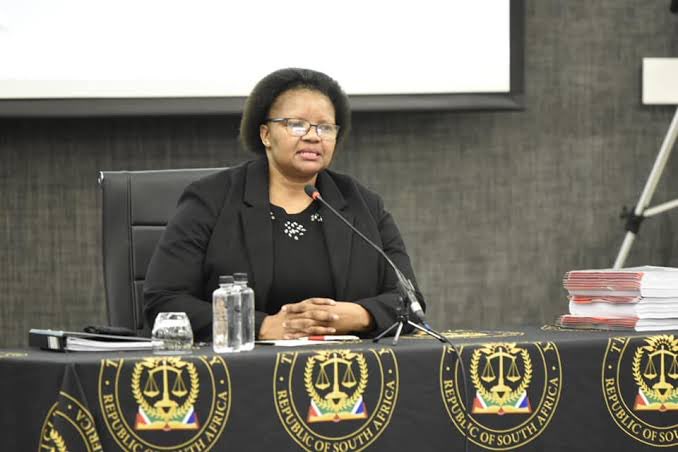
Dimpane tells Parliament she was not consulted on the decision to disband the PKTT. Image Supplied
By Ayanda Shezi: The South African Police Service’s Chief Financial Officer, Lieutenant General Puleng Dimpane, has firmly rejected claims made by suspended Police Minister Senzo Mchunu about her involvement in financial discussions concerning the Political Killings Task Team (PKTT). Her testimony came during a sitting of Parliament’s Ad Hoc Committee, which is investigating allegations of corruption, mismanagement, and interference by criminal networks within SAPS.
The committee, formed in October, is examining accusations that certain provincial commanders and senior police officials manipulated police functions and shielded politically connected individuals from accountability. One of the central issues under scrutiny is the future of the PKTT, a specialised unit established to investigate politically motivated killings, particularly in KwaZulu-Natal.
Mchunu previously appeared before the committee in October, where he claimed that an information note prepared by Dimpane had influenced his decision to disband the PKTT. But when she addressed the committee, Dimpane disputed that assertion completely.
She outlined the scope of her engagements with the minister, saying she made five comprehensive financial presentations after his appointment, covering police expenditure priorities, SAPS financial statements, funding for crime intelligence, and how resources are allocated between the national office and provinces. None of these interactions, she said, involved the PKTT.
“From July 2024 to June 2025, I provided briefings on SAPS’ overall budget framework, financial statements, crime intelligence funding, and resource distribution between provinces and head office. But I can confirm that the PKTT was not mentioned in any of these meetings,” she told the committee. She said suggestions that Mchunu relied on a briefing note she created about the PKTT were inaccurate and based on misinterpretation.
“I never gave Minister Mchunu any document related to PKTT or authorised anyone to share such notes with him. That note was operational and remains internal,” Dimpane stated.
Dimpane went on to explain the budgetary challenges facing the unit. The PKTT was initially conceived as a temporary response team for KZN’s political killings, but its responsibilities have expanded significantly over the years. Despite this growth, it is still funded only on a quarterly basis. She said this arrangement complicates efforts to plan effectively because SAPS repeatedly receives funding requests for operations that extend beyond the short-term allocation cycle.
“This situation creates budgeting uncertainty – we receive applications every few months for funds that stretch over five years. I have advocated that the PKTT be made a permanent entity so that resources can be allocated efficiently with clear accountability mechanisms,” she said.
Responding to further questions, she reiterated that she never had direct discussions with Mchunu about PKTT finances and first heard about the unit being disbanded through the media while she was on leave.
“The minister never raised any financial concerns or discussed the PKTT with me directly,” she said.
Her testimony adds to what the committee considers critical information as it pieces together how internal communication, financial processes, and political decision-making intersect within SAPS. The committee is expected to continue scrutinising such evidence as it attempts to uncover the extent of alleged corruption, operational interference, and compromised policing structures.