
Subtotal R0,00


Economy/ 31 October 2024, 13:17pm/ Lijeng Moruthane
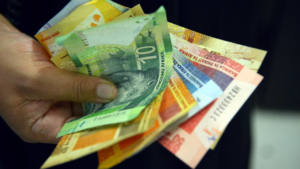
The rand weakened from about R17.59 to as high as R17.76 as the minister spoke: Image Supplied
By Lijeng Moruthane: As Finance Minister Enoch Godongwana delivered his speech, the rand fell from approximately R17.59 to a peak of R17.76, reflecting a lack of confidence from investors following the first Medium-Term Budget Policy Statement (MTBPS) since the establishment of the Government of National Unity (GNU).
Chantal Marx, head of investment research at FNB Wealth and Investments, noted that the currency was trading at R17.67 in late afternoon sessions, while the JSE’s All Share Index closed down 0.62% at 86,759 points.
Marx explained that the JSE’s response was muted, with “some downward pressure on the SA Inc segments of the market,” largely due to fluctuations in the rand and bond yields. She indicated that, overall, the MTBPS had a more negative impact on bonds than equities.
Godongwana, viewed as a steady figure in his finance role, stated that “there is a new light that is shining down on our country and on our economy.”
However, he also indicated that economic growth for 2024 is now expected to be lower than previously forecasted, at 1.1%, compared to an earlier estimate of 1.3%.
The minister projected that tax revenue for 2024/25 would be R22.3 billion less than the estimates made in February. He highlighted that for every R1 of revenue the government collects this year, 22 cents would go towards debt-service costs.
Marx commented that the revenue shortfall and higher-than-expected interest expenses were anticipated, and the main budget deficit would exceed earlier projections from the February Budget.
Despite National Treasury’s cautious approach, she asserted that the government’s commitment to macroeconomic stability and structural reforms is likely to boost business and consumer confidence, potentially aiding investment and consumption growth, which would be favorable for equity markets.
She further noted that sustained focus on infrastructure investment could positively influence the construction value chain and benefit listed companies in that sector.
Investec chief economist Annabel Bishop observed that the MTBPS revealed a deterioration in fiscal metrics contrary to expectations, contributing to the rand’s decline, while “the deterioration in state finances projections extended to the government’s debt-to-GDP ratio as well.”
Nedbank’s economics unit indicated that the anticipated 6% increase in spending, compared to a 4.4% rise in February, “reflects increased infrastructure investment, a higher wage bill, and elevated debt service costs.”
Jimmy Moyaha, founder and managing director of Lebowa Capital, stated that although the minister recognized South Africa’s challenges, he missed an opportunity to restore confidence, as reflected in the rand’s performance.
Nolan Wapenaar, co-chief investment officer at Anchor Capital, described the MTBPS as indicative of ongoing fiscal slippage and persistent spending pressures.
He noted that the mini-budget disappointed investors and served as a reality check for the new administration, showing that there is still considerable work to achieve sustainable finances.
Regarding the currency, Wapenaar mentioned that it was challenging to determine how much of the rand’s weakness stemmed from the MTBPS or from robust US job numbers that contributed to dollar strength.
“In the longer run, we remain optimistic that the rand will recover the few cents of weakness today,” he added.
Wichard Cilliers, director and head of Market Risk at TreasuryONE, observed that the rand’s response to the news was slightly negative, stating that the information was largely not new but reiterated the ongoing challenges the country faces.







