Subtotal R0,00

National News/ 19 August 2024, 10:05am/ Lijeng Moruthane
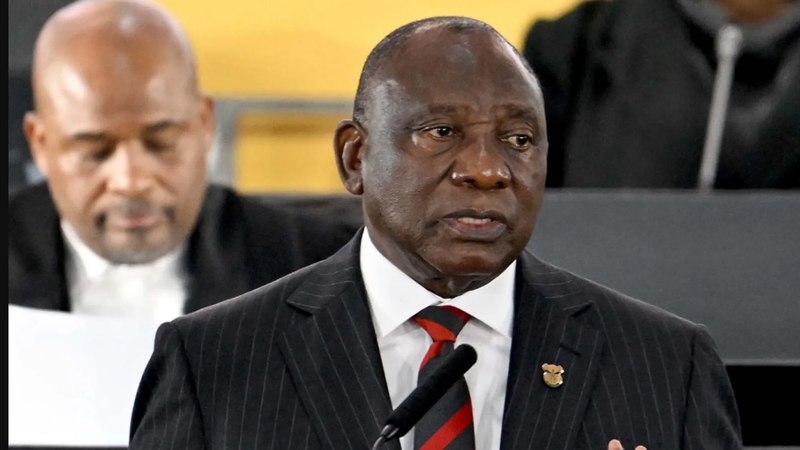
President Cyril Ramaphosa signed into law and set out reforms of the country’s electricity sector: Image Supplied
By Lijeng Moruthane: President Cyril Ramaphosa recently signed the Electricity Regulation Amendment Bill into law, introducing significant changes to South Africa’s electricity sector, including the creation of a competitive electricity market.
The bill modifies the 2006 Electricity Regulation Act, aiming to enhance competition, lower energy costs, boost investment in new generation capacity to ensure energy security, and establish an independent transmission company responsible for managing the national grid. It also enforces strict penalties for infrastructure damage and sabotage.
The legislation mandates the creation of the Transmission System Operator SOC Ltd (TSO) as an independent entity within five years, with the National Transmission Company of South Africa serving as the interim TSO. It also establishes an open market platform for the competitive wholesale or retail trade of electricity.
According to the Presidency, the act introduces market operation as a licensable activity by the National Energy Regulator of South Africa (Nersa). Additionally, a Market Code will be developed to govern the future competitive market, outlining the approval process for this code. The act also clarifies the principles for setting or approving prices, charges, and tariffs.
Individuals caught damaging or destroying transmission, distribution, or reticulation cables, equipment, or infrastructure could face fines up to R1 million, five years in prison, or both. Those unlawfully receiving such materials could face fines of up to R5 million, 10 years in prison, or both.
As the government accelerates the move towards a competitive energy market, experts have voiced concerns about private independent power producer (IPP) projects rushing to secure limited grid space. This follows Nersa’s recent rejection of Eskom’s grid capacity reservation application, which was intended to protect public procurement programs.
The Alternative Information and Development Centre (AIDC) also highlighted the risk of market concentration as larger companies enter the competitive electricity market first, raising concerns about Eskom’s long-term viability amidst declining demand and rising costs.
Energy analyst Hugo Kruger questioned the assumption that liberalized markets lead to lower prices, noting that some US states with regulated markets have lower costs. He cautioned that in a true market, competition could lead to bankruptcy for Eskom and even for IPPs.
While competition might theoretically attract investment and enhance energy security, Kruger emphasized that many uncertainties remain regarding how the market will function in practice.
President Cyril Ramaphosa recently enacted the Electricity Regulation Amendment Bill, which introduces extensive reforms to South Africa’s electricity sector, including the formation of a competitive electricity market.
The bill amends the Electricity Regulation Act of 2006 to “open up pathways to greater competition and reduced energy costs; increase investment in new generation capacity to achieve energy security; establish an independent transmission company as the custodian of the national grid; and impose severe penalties for damage to and sabotage of infrastructure.”
The act outlines the establishment, duties, powers, and functions of the Transmission System Operator SOC Ltd (TSO), which must be set up as an independent entity within five years, with the National Transmission Company of South Africa acting as the interim TSO. It also provides for an open market platform that facilitates competitive wholesale or retail trading of electricity.
The Presidency stated, “The act provides for market operation as a new activity that may be licensed by the National Energy Regulator of South Africa (Nersa). In addition, it requires the development of a Market Code that will establish rules to govern the future competitive market, and outlines the process through which the code will be approved. The act further clarifies the principles that apply to the setting or approval of prices, charges, and tariffs.”
Those found guilty of damaging, removing, or destroying any transmission, distribution, or reticulation cables, equipment, or infrastructure could face fines of up to R1 million, five years in prison, or both. Additionally, individuals who unlawfully receive such cables or equipment could be fined up to R5 million or face up to 10 years in prison, or both, according to the Presidency.
As the government advances towards a competitive energy market, there are concerns about private independent power producer (IPP) projects rapidly securing limited grid space. This follows Nersa’s recent rejection of Eskom’s application for grid capacity reservation, aimed at “protecting public procurement programmes and improving their prospects of success.”
The Alternative Information and Development Centre (AIDC) expressed worries about the risk of market concentration as larger companies enter the competitive electricity market first, and the potential impact on Eskom’s long-term viability amid declining demand and rising costs.
Energy analyst Hugo Kruger commented, “The evidence that liberalised markets lead to lower prices is questionable. Several US states with regulated markets have lower costs. If Eskom has to truly compete in a true market then theoretically it risks bankruptcy. It means that the IPPs can also go bankrupt.”
Kruger added, “In a true market you have competition. If solar is cheaper 100% of the time, then you only end up with solar. The government’s thinking with the IRP is that they can slice up what percentage every generator gets. Then call that a market. In terms of energy security, they are somewhat correct, competition theoretically should attract investment, but it remains to be seen how the market will work in practice. There are a lot of ‘what ifs’ and hypotheticals at the moment.”