
Subtotal R0,00

News/ 07 January 2026, 14:09pm/Linda Mgomezulu
Advocate Jan Lekgoa Mothibi: Image Supplied
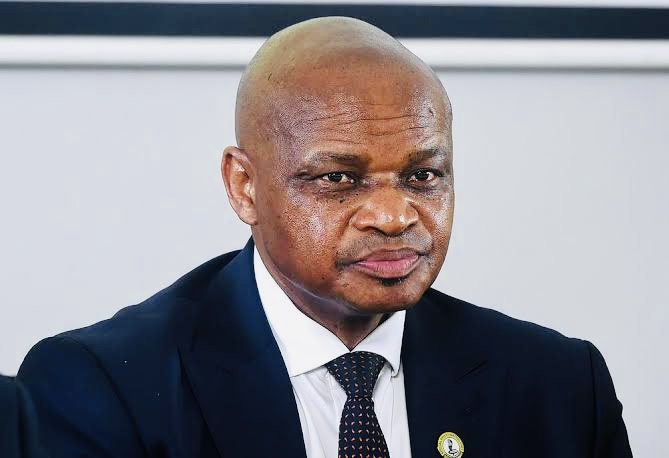
By Linda Mgomezulu: President Cyril Ramaphosa’s unexpected choice of Advocate Jan Lekgoa Mothibi as National Director of Public Prosecutions has shifted the national conversation away from personalities and toward the rules — and gaps — that govern how South Africa appoints the head of the National Prosecuting Authority (NPA).
The appointment, announced on Tuesday, immediately raised a procedural flashpoint: Mothibi was not among the candidates who appeared in the widely watched interviews that were meant to reflect a selection process the President had said would be “open and transparent”. Even so, Mothibi is set to assume office when Advocate Shamila Batohi’s term expires in January, placing him at the centre of an institution under intense public scrutiny.
Ramaphosa has framed the decision as the outcome of a recruitment effort that reached an impasse rather than a sudden change of mind. The advisory panel he established — a seven-member body appointed in November — reviewed about 18 applications, shortlisted candidates and conducted interviews, but ultimately returned with a blunt recommendation: none met the required standard for the country’s top prosecutorial position.
Addressing reporters on the sidelines of the ANC’s January 8 celebrations in the North West, Ramaphosa said the failure to identify a suitable candidate left him with a narrowing set of legal and practical options as the deadline to fill the post approached.
“The law says the president can appoint whomever he wants,” Ramaphosa said.
While the panel was intended to strengthen confidence in the appointment, Ramaphosa argued that its conclusion forced a pivot.
“Because of the importance of the position, I wanted the public to have insight into the kind of person we need. But in the end, the panel advised that none of the candidates were suitable, and time was not on our side.”
His remarks amount to a defence of a constitutional discretion used at speed: Batohi’s term ends in January, and the NDPP role cannot be left vacant without destabilising the authority’s leadership at a moment when prosecutions — particularly corruption matters — remain a defining measure of state credibility.
Ramaphosa’s explanation for turning to Mothibi rested on institutional familiarity and track record rather than the public interview process itself. He described Mothibi as a proven operator within the criminal justice system, pointing to leadership experience, work ethic and delivery.
“I have appointed a known figure who has distinguished himself and demonstrated his ability. I am hopeful this decision will be accepted for what it is,” he said.
Still, the choice has reignited debate over whether a process can meaningfully be described as transparent if the eventual appointee did not undergo the same public vetting as shortlisted contenders — and whether current law gives too much latitude to unilateral executive decision-making when selecting the country’s chief prosecutor.
Whoever leads the NPA inherits a high-stakes mandate. The authority has spent years trying to restore public trust after the State Capture period, while confronting capacity constraints and the complexity of major corruption dockets. Despite strong political rhetoric in support of prosecution-led accountability, the NPA has faced criticism for slow progress and inconsistent conviction outcomes in cases involving high-ranking figures.
Mothibi’s tenure will therefore be judged less by the manner of his appointment than by whether he can accelerate difficult prosecutions, secure courtroom results and strengthen the institution’s independence.
Ramaphosa acknowledged discomfort around the path that led to Tuesday’s announcement, and suggested the controversy may help drive longer-term changes to the framework governing NDPP appointments.
“In time, we would want the law or the Constitution to be amended to allow for an even more open process,” he said.







