Subtotal R0,00

News/ 14 November 2025, 06:00am/Mpho Mokoena
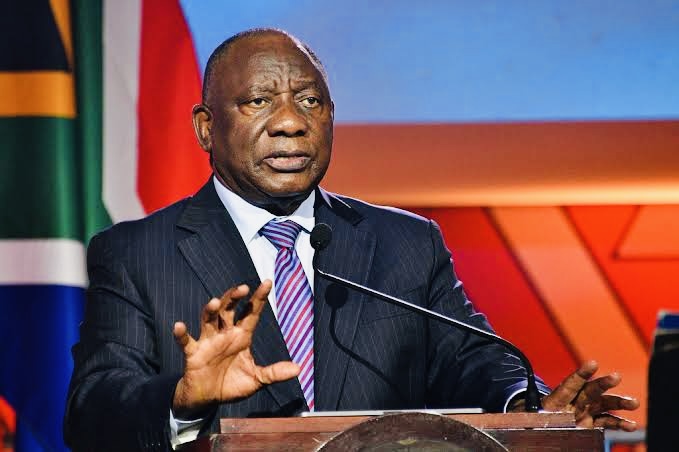
President Cyril Ramaphosa: Image Supplied
By Mpho Mokoena: In a high-profile address on the opening day of the National Construction Summit, President Cyril Ramaphosa unveiled a sweeping government commitment to infrastructure, designed to rectify the lasting imbalances rooted in apartheid spatial planning.
Industry leaders, along with business and labour officials, gathered to hear how this bold multi-year investment would reshape South Africa’s economic landscape.
The centerpiece of the president’s message was crystal clear: a historic capital push intended to accelerate development and close decades of disparity.
“That is why the government has committed one trillion rand in infrastructure spending over the medium-term,” President Ramaphosa stated. “This is the very first time our country, since the dawn of democracy, even before democracy, has committed such a large amount of money to infrastructure.”
The R1 trillion package is positioned as a strategic injection into critical sectors. A substantial share is earmarked for roads, with energy and water and sanitation facilities following closely behind.
The objective, Ramaphosa explained, is to not only build but to transform the foundation of the nation’s growth trajectory.
The president stressed that the capital injection is a direct response to historical planning failures.
It is portrayed as addressing not only the notorious apartheid spatial planning but also the long-standing deficits in the country’s network of roads, rail, and ports. The intent, he said, is to lay down the infrastructure of a more equitable economy and a more connected society.
As the summit attendees listened, Ramaphosa issued a call to action for the construction sector, highlighting the vast opportunities now on offer.
“Now this is money that is out there for you to utilise, for you to use as enablers to turbocharge your industry to grow to higher levels,” he said.
The president also referenced the government’s recent medium-term budget policy statement, signaling a strategic fiscal pivot. In his words, as noted by the Minister of Finance in the policy statement, the administration is reshaping the fiscal landscape.
“As the Minister of Finance indicated in the medium-term budget policy statement yesterday, we are shifting the composition of spending from consumption to investment.”
Ramaphosa underscored that this shift is not incidental but a deliberate recalibration of priorities.
He pointed to capital payments as the fastest-growing expenditure item in the national budget, framing the move as essential to unlock long-term prosperity.
The address positioned the infrastructure push as a pivotal chapter in South Africa’s development narrative — one that seeks to harmonize growth with social redress, boost regional connectivity, and foster a more resilient economy capable of weathering future shocks.
As the summit wound down, several industry voices expressed optimism that the announced commitment would translate into tangible projects, job creation, and accelerated service delivery.