
Subtotal R0,00

North West/ 31 May 2026, 09:33am/ Dakalo Mulaudzi
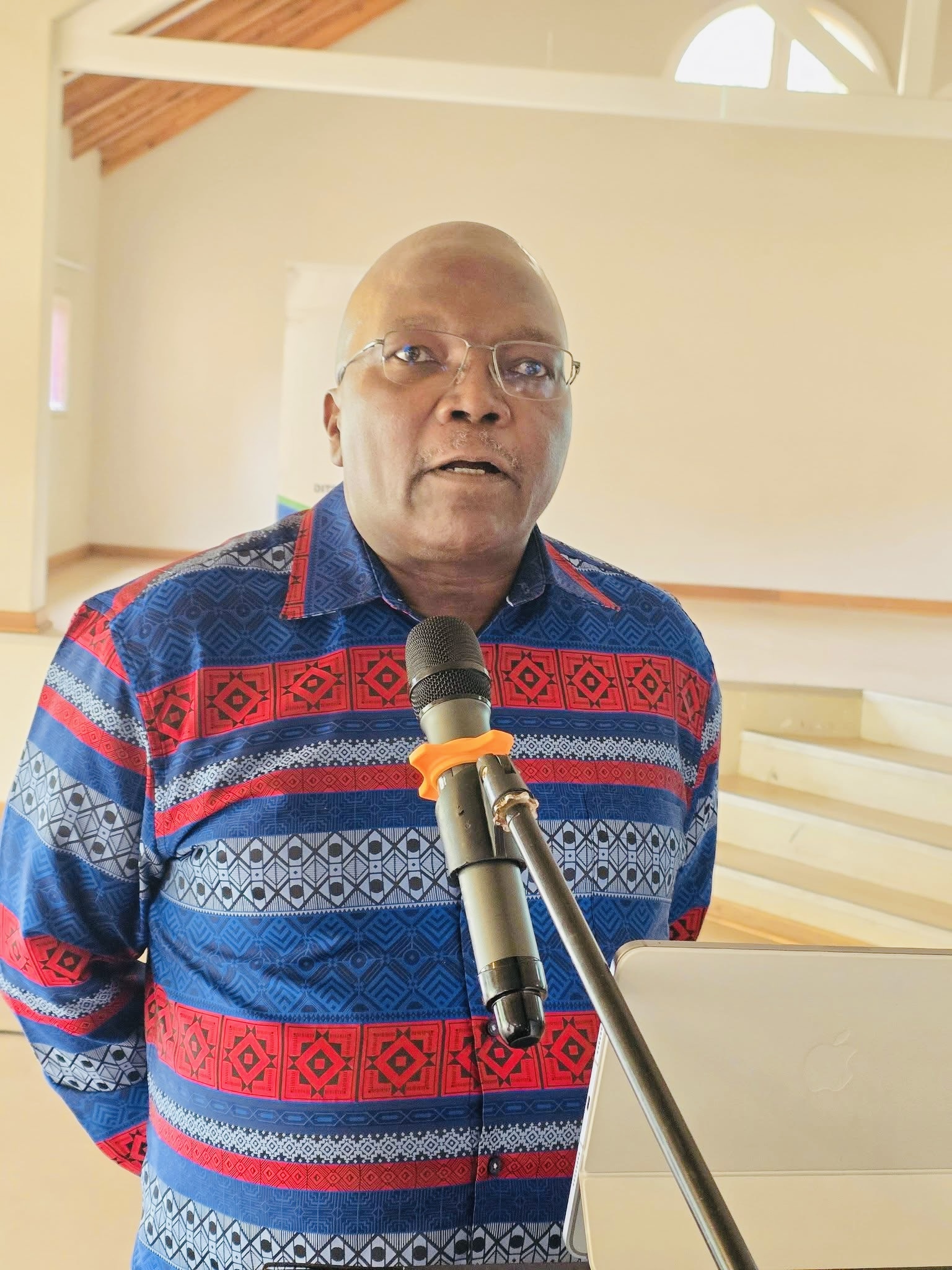
Kopung Ralikontsane: Image Supplied
By Dakalo Mulaudzi: Ditsobotla Municipality, long battered by instability, political dysfunction and financial collapse, is now facing a hard reset — with its swollen wage bill and broken service delivery model thrust into the spotlight.
The municipality’s administrator, Kopung Ralikontsane, says the crisis at the North West local authority is rooted in a workforce that is simply too large for a municipality that is struggling to collect revenue and meet basic obligations to residents.
On Friday, National Treasury formally handed over a financial recovery plan to the embattled municipality, marking a critical moment in efforts to stabilise Ditsobotla after months of turmoil. Because the municipality was placed under administration last September, it is now compelled to implement the plan.
Ralikontsane, who was appointed by Cabinet to take over the municipality’s day-to-day operations, says the diagnosis after eight months at the helm is clear: too many employees, too little income, and too few services reaching communities.
“We are looking at evaluating employment processes of every single individual in the municipality, and then we will take it from there to see if people were properly appointed. In some instances, we do find people doing duplicate work.”
That statement signals what may become one of the most controversial aspects of Ditsobotla’s recovery — a push to cut staff numbers in order to restore financial and operational balance.
The municipality currently employs 720 people, but Ralikontsane says only about 450 are needed for it to function efficiently. The gap highlights the scale of the restructuring now looming over the local authority.
While staffing pressures are draining municipal finances, the effects are being felt most visibly in communities where refuse remains uncollected and essential services continue to suffer.
“So two critical service delivery areas, one that is more visible to our people is waste management and we are worried that we are currently unable to pick waste. Its because of the unavailability of fleet, and that’s the first thing we have started with now. National Treasury and COGTA gave us R30-million, and we are in the procurement stage of fleet.”
The municipality’s deepening financial crisis was further laid bare on Friday when officials revealed a staggering R2.1 billion cash deficit — a measure of the gap between what the municipality earns and what it spends.
Finance Minister Enoch Godongwana, who visited Ditsobotla to deliver the Treasury recovery plan, made it clear that the intervention is far from over. Despite upcoming local government elections, he said the municipality will remain under administration beyond November.
That means the constitutional intervention imposed under section 139 will continue regardless of who takes political control after the vote.
At the height of the chaos, Ditsobotla became a symbol of municipal collapse, with two mayors, two speakers and three municipal managers operating at the same time. Although the municipal council was dissolved and fresh elections were held, the dysfunction persisted, prompting Cabinet to install an administrator last September.
“This is a constitutional intervention in terms of section 139 subsection 7 of the Constitution; it’s got nothing to do with the elections.”
Godongwana also warned that the post-election leadership, no matter which party emerges victorious, will not be free to ignore the recovery blueprint.
Instead, the incoming administration will be expected to carry out Treasury’s plan as Ditsobotla fights to climb out of one of the deepest municipal crises in the country.







