
Subtotal R0,00

Politics / 10 June 2025, 06:25am/Staff Writer
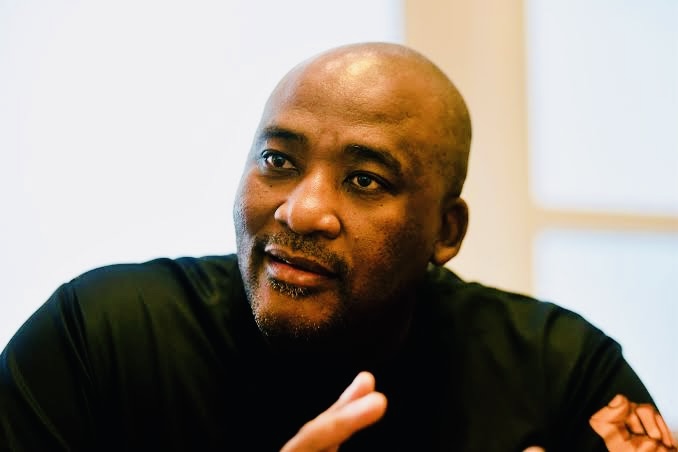
Gayton McKenzie:Image Supplied
By Staff Writer: The South African economic landscape was shaken this week as Gayton McKenzie, the outspoken leader of the Patriotic Alliance (PA), delivered a provocative call for overhaul of the country’s flagship empowerment policy. Speaking at the Black Business Council Summit, McKenzie laid bare his disillusionment with how existing initiatives have failed to deliver meaningful change, proposing instead a revolutionary approach rooted in accountability, community responsibility, and direct investment.
McKenzie’s comments cut to the core of what many perceive as the stagnation of Black economic empowerment policies. “BEE has not failed. We have failed BEE, and I’m including myself in all the Black millionaires today,” he declared, highlighting the reality that a small elite continues to benefit, leaving the majority of Black South Africans behind.
He criticized the prevalent practice of “deal after deal,” where Black entrepreneurs attain wealth but remain complicit in a system that perpetuates dependency rather than independence. “It is the same people doing deal after deal, and that is the truth,” he said plainly. “We can’t run away from it.”
McKenzie’s radical solution involves replacing the current BEE framework with a single, purpose-built empowerment bank. Unlike the current system, which he describes as “counterproductive,” this bank would be funded by a mandatory 1% turnover contribution from all white-owned businesses and previously empowered individuals.
He explained, “You can’t build wealth without collateral,” and proposed that “your blackness will be your collateral. Your black skin.” The bank would provide loans based on community responsibility, with “enforceable accountability, mentorship, and evidence of impact” before extending further credit. The goal is to foster genuine wealth creation rooted in practical support rather than superficial equity stakes.
In a departure from traditional narratives, McKenzie emphasized the importance of Black leaders taking responsibility for addressing the country’s staggering unemployment rates. “We have so many black millionaires, but we have the highest unemployment rate,” he lamented. “We just get more, we get more, but you’re not even giving back to where you stay.”
He drew a stark comparison with the Jewish community, suggesting that Black millionaires should emulate their communal responsibility. “That’s a conversation we don’t want to hear,” he said.
McKenzie’s critique extended to the country’s immigration policies, which he believes exacerbate economic hardship. “The ANC is getting an F, but they don’t deserve an F. The ANC should be getting a D,” he argued. “Because they budget for South Africans who aren’t even counted in the census. Mabahambe, and you will see jobs will appear.”
He posited that “two million” foreign nationals are employed in various sectors, such as hospitality, and that removing them would immediately free up millions of jobs for South Africans. “When we chase them away, immediately we have two million jobs for locals,” he asserted.
McKenzie’s message is clear: South Africa needs a new kind of leadership—one willing to make “unpopular decisions” and focus on building lasting institutions. “Let us get rich, all of us, but let’s take the unpopular decisions. Mabahambe,” he urged, emphasizing the urgency of bold action.







