Subtotal R0,00

Economy/ 30 October 2024, 10:30am / Anele Ndlovu
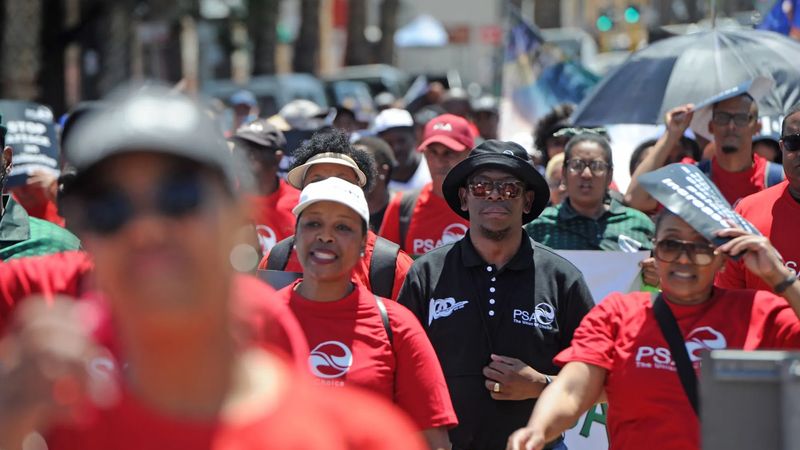
Unions, including the Public Servants Association (PSA) and other organizations affiliated with Cosatu, Fedusa, and Saftu, are demanding better benefits for their members: Image Supplied
By Anele Ndlovu: In a tense negotiation reflecting the ongoing friction between the South African government and public sector employees, the authorities have proposed a 4.7% salary increase for public servants.
This offer falls significantly short of the unions’ demand for a 12% raise, representing about 1.3 million state workers.
Initially set at 3%, the government’s offer was increased under union pressure. However, union representatives remain dissatisfied, having already reduced their original demand to 7.5% in a bid for compromise.
“The government has rejected the civil servants’ request for a 12% increase effective April 1, 2025,” stated Frikkie de Bruin, general secretary of the Public Service Co-ordinating Bargaining Council, voicing his disappointment.
De Bruin noted some progress, mentioning, “We believe we are nearing a settlement range between 5.5% and 6%,” hinting at the possibility of further dialogue in the coming days.
While the government’s latest proposal includes adjustments in housing and danger allowances, these additions have not satisfied the unions.
Jannie Oosthuizen, a labor relations officer at the Public Servants Association (PSA), confirmed that despite the increase to 4.7%, which surpasses the 3.8% inflation rate, the proposal is still insufficient for their members.
Union demands extend beyond a pay raise, seeking a greater medical aid subsidy, a R2,500 increase in housing allowances, and a rise in danger pay from R597 to R1,000, signaling a broader push for improved work conditions and support amid rising living costs.
The government’s cautious stance on wage negotiations is shaped by its need to balance support for workers against managing the nation’s escalating debt.
Current forecasts suggest South Africa’s debt could reach 75.3% of GDP by the 2025-26 fiscal year, underscoring the government’s fiscal challenges as it navigates these negotiations.