Subtotal R0,00

Health/ 13 March 2025, 10:25am/ Lijeng Moruthane
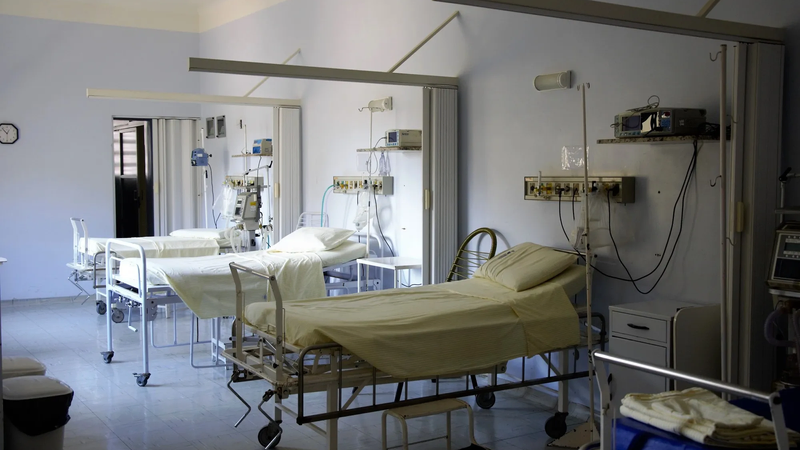
Overburdened and under-resourced, Public hospitals struggle as skilled healthcare workers leave the sector: Image Supplied
By Lijeng Moruthane: South Africa’s public healthcare system is struggling to retain highly skilled professionals, forcing the government to turn to costly private consultants—an unsustainable approach that is draining billions from the health budget.
The National Health and Allied Workers Union (NEHAWU) has sounded the alarm, warning that the Department of Health’s reliance on external consultants is diverting critical funds while thousands of unemployed doctors and nurses remain sidelined.
“Even with a bigger budget, a large portion is still going to consultants—billions, in fact—while we have many doctors and nurses without jobs,” said Ayanda Zulu, NEHAWU’s KwaZulu-Natal Provincial Secretary.
His comments follow an investigation revealing that KwaZulu-Natal (KZN) tops the list of provinces facing serious cases of alleged medical negligence. The Health Ombuds Office is currently investigating multiple incidents where patients suffered due to alleged failures in care.
The latest national health budget saw a significant increase of R28.9 billion, bringing the total to R329 billion. However, NEHAWU remains skeptical about whether the additional funds will address the root problems plaguing the sector.
“Too much money is also being spent on medico negligence claims. Meanwhile, hospitals are running out of basic supplies, and critical infrastructure is failing,” Zulu said.
The union also criticized the lack of measures to mitigate the impact of funding cuts from the United States. The withdrawal of the President’s Emergency Plan for AIDS Relief (PEPFAR) funding, initiated under Donald Trump’s administration, has left gaps in HIV/AIDS research, treatment, and support services.
“We are disappointed that the Minister did not adequately address the need to fill the shortfall caused by this erratic decision,” NEHAWU stated.
With the government pushing forward with its National Health Insurance (NHI) plan, intended to provide universal healthcare access, experts warn that critical staffing shortages and infrastructure issues could derail its implementation.
“For NHI to succeed, we need human capital, resources, leadership, proper infrastructure, and strong financial administration skills. Right now, we don’t have these in place,” Zulu said.
A growing nursing crisis further complicates matters. South Africa is currently short of 26,000 nurses, and projections indicate the shortage could rise to 100,000 by 2030 due to an aging workforce and inadequate training institutions.
The situation in KZN is particularly dire, with hospitals facing severe resource shortages.
“Health care has collapsed in KZN. Many facilities lack essential equipment and even basic services. Prince Mshiyeni Hospital was without water for weeks—even the JoJo tank ran dry. The department is in denial,” Zulu stated.