
Subtotal R0,00

News/19 September 2026, 06:07am / Mpho Mokoena
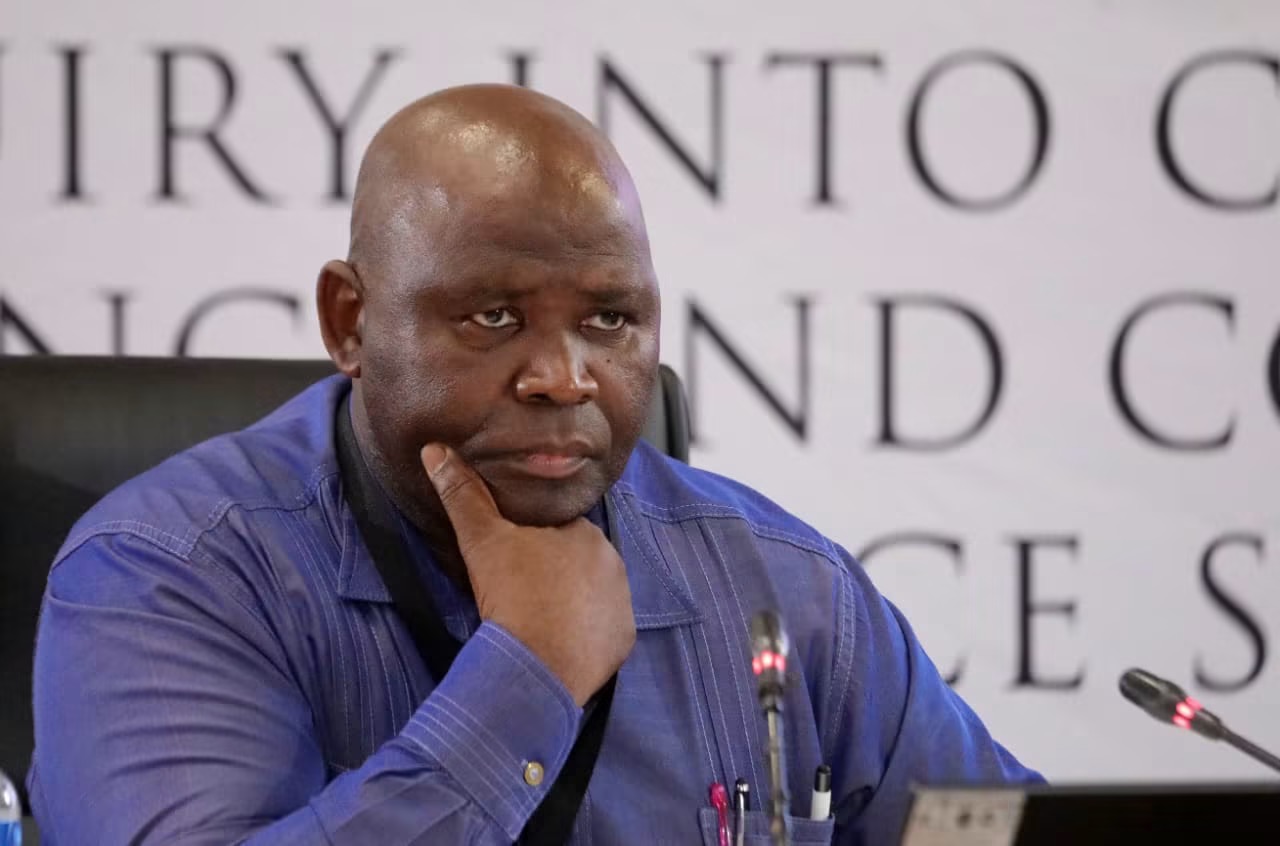
Somadoda Fikeni: Image Supplied
By Mpho Mokoena: Public servants working on the front lines of South Africa’s criminal justice system should be vetted and better protected from political interference, Public Service Commission chairperson Somadoda Fikeni has told the Madlanga Commission.
Fikeni warned that officials who fear losing their jobs may become vulnerable to pressure from powerful political figures, particularly when they are confronted with instructions that could be unlawful.
“I do think that if we were to strengthen legislation protecting employees who are facing the pressures and political interference, that would be key,” Fikeni said.
His testimony shifted the focus of the commission’s discussions beyond individual wrongdoing, placing the safety, independence and professional security of public servants at the centre of the debate.
Fikeni said officials needed clearer guidance on where political responsibility ends and administrative authority begins. He also called for stronger public oversight and greater vigilance when officials are instructed to act outside the law.
He was questioned on Friday about how public servants should respond when refusing political demands could threaten their careers, livelihoods or professional standing. Fikeni argued that stronger legislation was essential to protect employees who resist interference and unlawful instructions.
However, he cautioned that legal safeguards alone would not solve the problem. Whistleblower protections, protected disclosure mechanisms and intensive training would also be needed to ensure officials understood both their rights and their obligations.
Coalition governments, he said, could create an additional layer of accountability. Officials and ministers might face scrutiny not only from their own political parties, but also from coalition partners with competing interests.
The commission is separately considering whether frontline personnel should undergo more rigorous vetting. Correctional Services Commissioner Makgothi Thobakgale told the inquiry on Thursday that junior prison officers should be subjected to such scrutiny.
Fikeni supported extending the principle across the criminal justice system, saying frontline officials in areas such as policing, corrections and related services should be carefully assessed.
But his warning was not limited to institutional weaknesses. He linked the vulnerability of lower-ranking officials to South Africa’s severe inequality, arguing that financial hardship could make some employees easier targets for inducements.
“If you have a society which is the most unequal in the world, you’re bound to have people who are at lower levels a lot more vulnerable to be enticed,” he said.
Fikeni said the state’s response should therefore include improved conditions of service. Better pay, stronger workplace protections and greater professional support, he suggested, could help reduce the pressure that makes officials vulnerable to political influence.







